
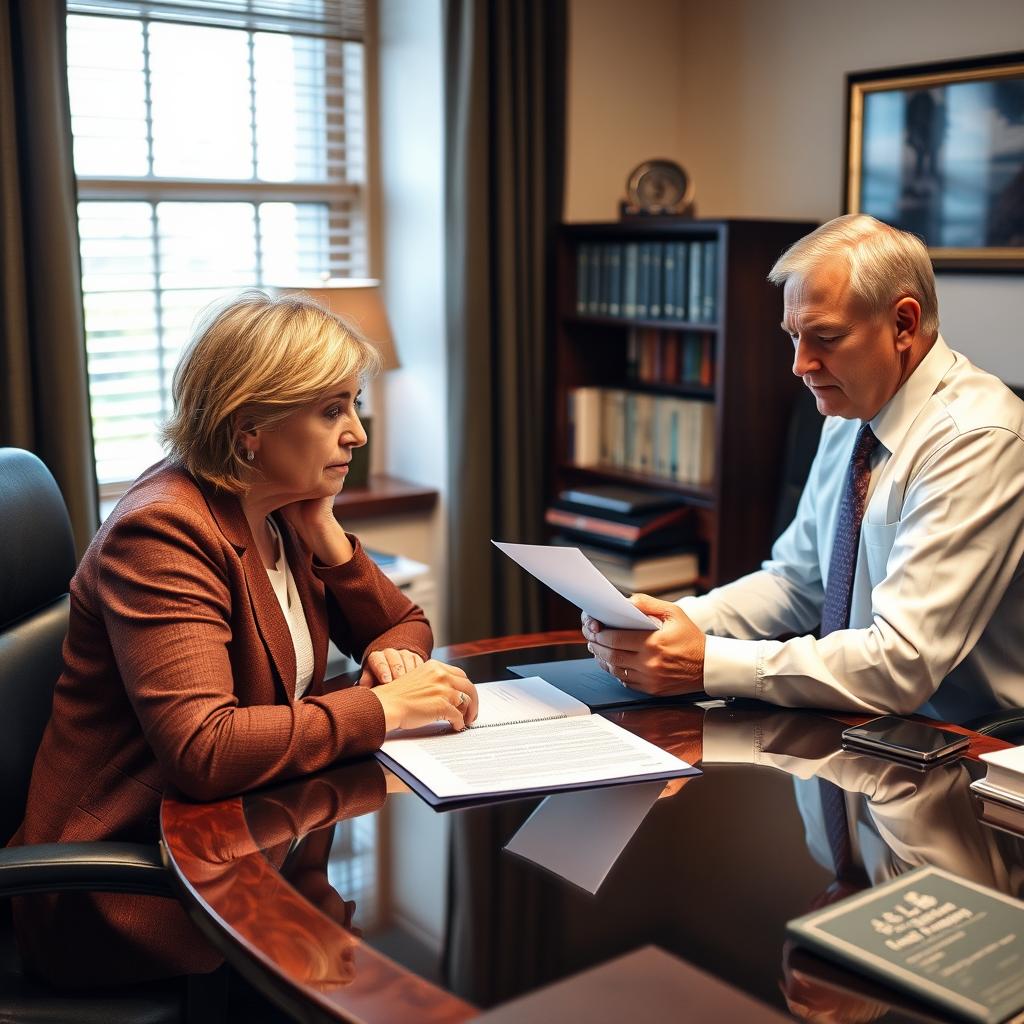
Cape May County Special Needs Trust Lawyer — How Do You Protect a Disabled Beneficiary?
A Special Needs Trust Lawyer Cape May County can help you create a legal tool that provides for a disabled loved one without jeopardizing their eligibility for vital government benefits like Medicaid and Supplemental Security Income (SSI). The Law Offices Of SRIS, P.C.
What Is a Special Needs Trust in New Jersey?
A special needs trust, also called a supplemental needs trust, is a fiduciary arrangement established for a person with a disability. Its primary purpose is to manage resources for the beneficiary’s benefit while preserving their eligibility for means-tested public assistance programs. The trust assets are used to supplement, not replace, the government benefits the individual receives, covering expenses like personal care attendants, education, transportation, and recreational activities that enhance quality of life.
Last verified: April 2026 | Cape May County Courthouse | New Jersey Legislature.
Official Resources for Estate & Trust Planning
Understanding the legal framework is important. You can review the New Jersey statutes governing trusts at the New Jersey Legislature’s official website. For local procedural rules and forms related to trust administration, visit the Cape May Vicinage of the New Jersey Superior Court website.
The Local Process for Establishing a Trust in Cape May County
Working with a special needs trust lawyer Cape May County involves a detailed process case-specific to your family’s specific circumstances and the beneficiary’s needs. A disability trust planning lawyer Cape May County will analyze the source of funds (e.g., inheritance, lawsuit settlement, or family contributions) to determine the correct type of trust. In Cape May County, the Superior Court, Chancery Division, Probate Part, oversees the formal approval of certain trusts, particularly those created with the beneficiary’s own assets.
- Initial Consultation & Assessment: A lawyer reviews the beneficiary’s disability, current benefits, family resources, and long-term care goals.
- Choosing the Trust Type: Deciding between a First-Party (self-settled) Trust, a Third-Party Trust, or a Pooled Trust based on the asset source and the beneficiary’s age.
- Drafting the Trust Instrument: The attorney prepares the legal document, naming a trustee, defining supplemental needs, and including strict Medicaid payback provisions if required by law.
- Funding the Trust: Assets are formally transferred into the trust’s name, following specific procedures to avoid penalties.
- Court Approval (if needed): For first-party trusts, a petition for approval is typically filed with the Cape May County Superior Court.
- Administration: The trustee manages distributions, maintains records, and prepares annual accountings to ensure ongoing benefit eligibility.
Key Considerations for Supplemental Needs Trusts
In Cape May County, a supplemental needs trust must be carefully drafted to comply with both federal benefit rules and New Jersey state law, ensuring the beneficiary’s quality of life is enhanced without triggering disqualification.
Firm Experience in Trust and Estate Planning
Founded in 1997, the Law Offices Of SRIS, P.C. brings decades of combined legal experience to planning matters. Our firm’s philosophy, “Advocacy Without Borders,” is reflected in our detailed approach to life-care planning for families with disabled members. We focus on creating legally sound, practical solutions that stand the test of time and changing regulations.
Planning for Your Family’s Future
Proper disability planning provides immense peace of mind. A well-drafted special needs trust is more than a document; it’s a long-term strategy for care and dignity. We help families throughout Cape May County handle this important process.
Law Offices Of SRIS, P.C.
By appointment only.
Toll-Free: (888) 437-7747 | Local: (609)-983-0003
24/7 phone consultations — meetings by appointment only.
Frequently Asked Questions: Special Needs Trusts
What is the difference between a special needs trust and a supplemental needs trust?
No difference. The terms are used interchangeably. Both refer to a trust designed to provide for a person with a disability without disqualifying them from government benefits like Medicaid or SSI.
Can I leave money directly to my disabled child in my will?
It depends. A direct inheritance can cause immediate loss of means-tested benefits. A special needs trust lawyer Cape May County would typically advise naming a third-party special needs trust as the beneficiary in your will to prevent this problem and protect the inheritance.
Who should be the trustee of a special needs trust?
The trustee can be a family member, a trusted friend, a professional fiduciary, or a corporate trustee. The role requires financial responsibility, understanding of benefit rules, and a commitment to the beneficiary’s well-being. A lawyer can help you evaluate the best choice.
Does a special needs trust have to be approved by a court in New Jersey?
It depends on the type. First-party trusts (funded with the beneficiary’s own assets) generally require court approval. Third-party trusts (funded with assets from someone else) typically do not need court approval to be established, though they must still be properly drafted.
What happens to the money in the trust when the beneficiary passes away?
For first-party trusts, New Jersey and federal law usually require that any remaining funds be used to reimburse the state for Medicaid benefits paid. For third-party trusts, the remaining assets can pass to other family members or charities as directed in the trust document.
Related Information: For broader planning, see our pages on New Jersey Estate Planning Lawyer and New Jersey Guardianship Lawyer. For help in nearby areas, consider our Atlantic County Special Needs Trust Lawyer.
Page Last verified: April 2026. Laws and procedures change. Contact the Law Offices Of SRIS, P.C. at (609)-983-0003 for current guidance regarding your specific situation.
New Jersey law governs this practice area.
Your case in Cape May County, New Jersey
Immigration matters are federal: removal cases for New Jersey residents are heard at the Newark Immigration Court and applications are decided by USCIS. County criminal charges that can affect immigration status are heard in the Criminal Part of the Law Division. In Cape May County that is the Superior Court of NJ, Cape May Vicinage (1st Vicinage), 9 North Main Street, Cape May Court House, NJ 08210, telephone (609) 463-6550, open Mon-Fri 8:30AM-4:30PM. Court procedures change; confirm the current schedule on the official vicinage website or with the clerk before you file or appear.
The governing law for this topic is the federal Immigration and Nationality Act. Law Offices Of SRIS, P.C. handles Cape May County matters from its New Jersey location at 44 Apple St 1st Floor, Tinton Falls, NJ 07724; meetings are by appointment. Request a New Jersey consultation at (888) 437-7747 or (609) 983-0003.
Related New Jersey pages: Cape May County NJ lawyers directory · Special Needs Trust Lawyer Bergen County, NJ · Special Needs Trust Lawyer Hudson County, NJ · Special Needs Trust Lawyer Monmouth County, NJ.