
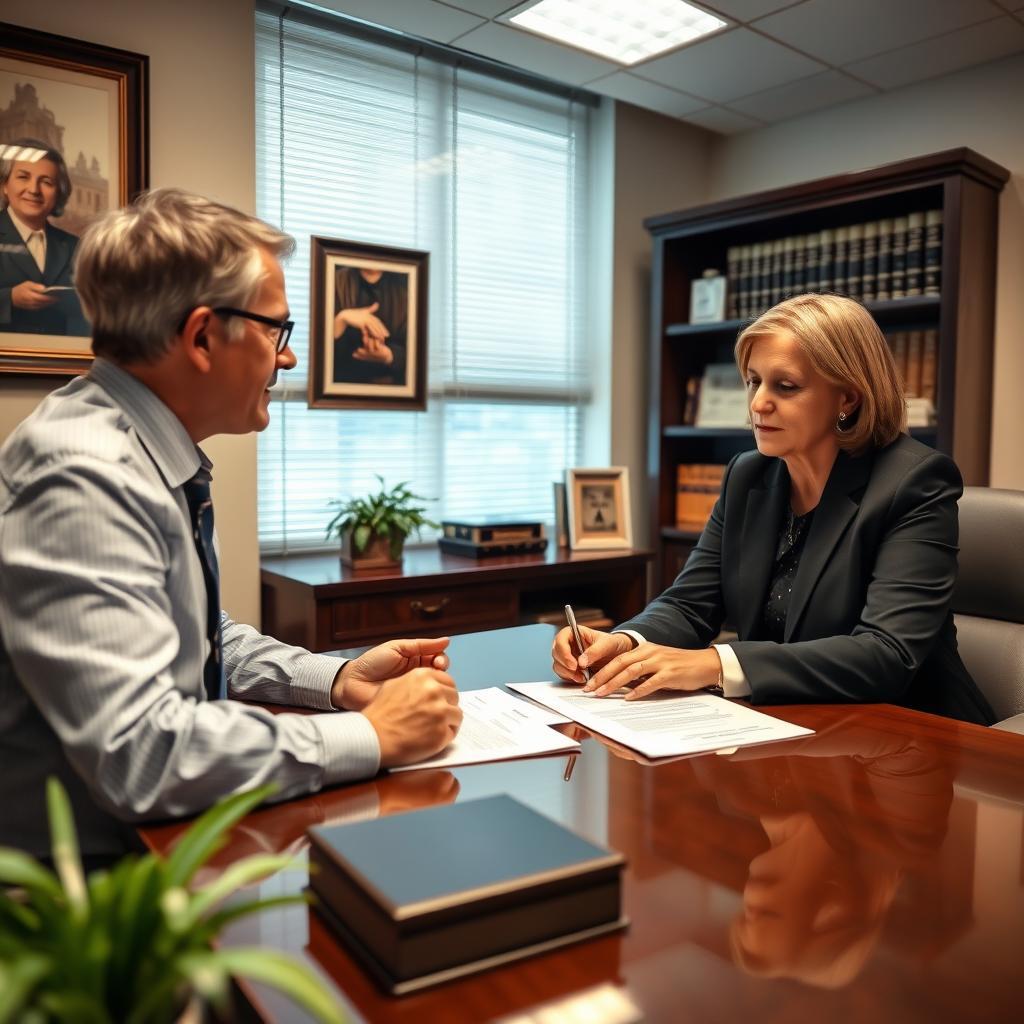
VAWA Petition Lawyer Capitol Hill — Secure Your Path to Safety and Status
If you are an immigrant survivor of domestic violence, the Violence Against Women Act (VAWA) provides a critical path to secure lawful status independently of your abuser. Filing a VAWA self-petition is a complex legal process requiring precise evidence and legal argument. The Law Offices Of SRIS, P.C. offers experienced legal guidance for survivors in the Capitol Hill area.
Understanding VAWA Self-Petition Immigration Relief
The Violence Against Women Act (VAWA) allows certain abused spouses, children, and parents of U.S. citizens or lawful permanent residents to file an immigration petition without the abuser’s knowledge or consent. This is known as a VAWA self-petition. Successfully filing Form I-360 can lead to a grant of deferred action, work authorization, and eventually, lawful permanent resident status. The process is designed to protect survivors from dependence on their abuser for immigration benefits.
Last verified: April 2026 | U.S. Citizenship and Immigration Services (USCIS) | U.S. Congress legislation.
Official Government Resources
For authoritative information on VAWA provisions and immigration procedures, consult these official resources: the USCIS VAWA page and the Department of Justice Office on Violence Against Women.
The VAWA Self-Petition Process in Capitol Hill
An experienced VAWA self-petition lawyer Capitol Hill understands the nuanced requirements of this humanitarian immigration relief. The process involves more than just filling out a form; it requires building a compelling case that demonstrates the qualifying relationship, the abuser’s status, the battery or extreme cruelty suffered, and your good moral character. In the D.C. area, working with an attorney familiar with local service organizations and evidence-gathering is crucial.
- Consultation & Eligibility Review: Discuss your situation confidentially with an attorney to confirm you meet VAWA eligibility criteria.
- Evidence Strategy & Collection: Your lawyer will help you identify and obtain all necessary documentation to prove each element of your case.
- Petition Preparation: Your attorney will draft detailed affidavits, complete Form I-360, and assemble the petition packet with supporting evidence.
- Filing & Correspondence: The petition is filed with the Vermont Service Center. Your lawyer will manage all communication with USCIS, including responding to any Requests for Evidence (RFEs).
- Post-Approval Guidance: If approved, you will receive guidance on next steps, which may include applying for work authorization and adjusting status to become a lawful permanent resident.
Why Legal Representation is Critical for VAWA Petitions
The stakes for a VAWA self-petition are exceptionally high. A denial can leave a survivor without legal status and potentially in greater danger. An abused spouse immigration relief lawyer Capitol Hill provides essential advocacy by ensuring the petition is complete and persuasive from the start, which can prevent delays or requests for additional evidence. Legal counsel also helps protect your confidentiality throughout the process, a paramount concern for survivors.
Seeking Help from a VAWA Petition Lawyer Capitol Hill
If you are considering filing under VAWA, taking the first step to consult with an attorney is a act of courage. The Law Offices Of SRIS, P.C. handles these sensitive cases with the discretion and diligence they require. We work to help you through the legal process, aiming for an outcome that provides both security and a fresh start.
Results may vary. Prior results do not aim for a similar outcome.
Law Offices Of SRIS, P.C.
By appointment only.
Toll-Free: (888) 437-7747 | Local: (888) 437-7747
24/7 phone consultations. Meetings by appointment only.
VAWA Petition Lawyer Capitol Hill FAQ
Can I file a VAWA petition if I am divorced from my abuser?
Yes. You may still file a VAWA self-petition if you were abused during the marriage and file within two years of the divorce. The petition must demonstrate the abuse occurred during the marital relationship.
Does my abuser find out if I file a VAWA self-petition?
USCIS policies are designed to protect your confidentiality. They are prohibited from contacting your abuser. A primary goal of the law is to allow you to seek independence without your abuser’s knowledge, making discreet legal counsel essential.
What evidence do I need for a VAWA petition?
It depends. Evidence typically includes proof of the abuser’s immigration status, your relationship (marriage certificate, shared bills), proof of cohabitation, evidence of the abuse (police reports, medical records, photos, affidavits), and proof of your good moral character. An attorney can identify what you have and what you need.
Can I get a work permit while my VAWA petition is pending?
Yes. Once your VAWA petition is filed and prima facie eligible, you can apply for deferred action and employment authorization (work permit), allowing you to work legally in the United States while your case is adjudicated.
How long does the VAWA process take?
Processing times vary significantly by USCIS service center and case complexity. Currently, it can take several months to over a year for an initial decision. An attorney can help manage expectations and follow up on your case status.
Related Information: For other legal needs in the area, you may consult our Immigration Law hub, a Capitol Hill family lawyer, or a Capitol Hill criminal defense lawyer.
Page Last verified: April 2026. Immigration laws and policies change frequently. Contact Law Offices Of SRIS, P.C. for the most current guidance on your situation.
Under Va. Code § 13.1-1000 et seq., state law governs this practice area.