
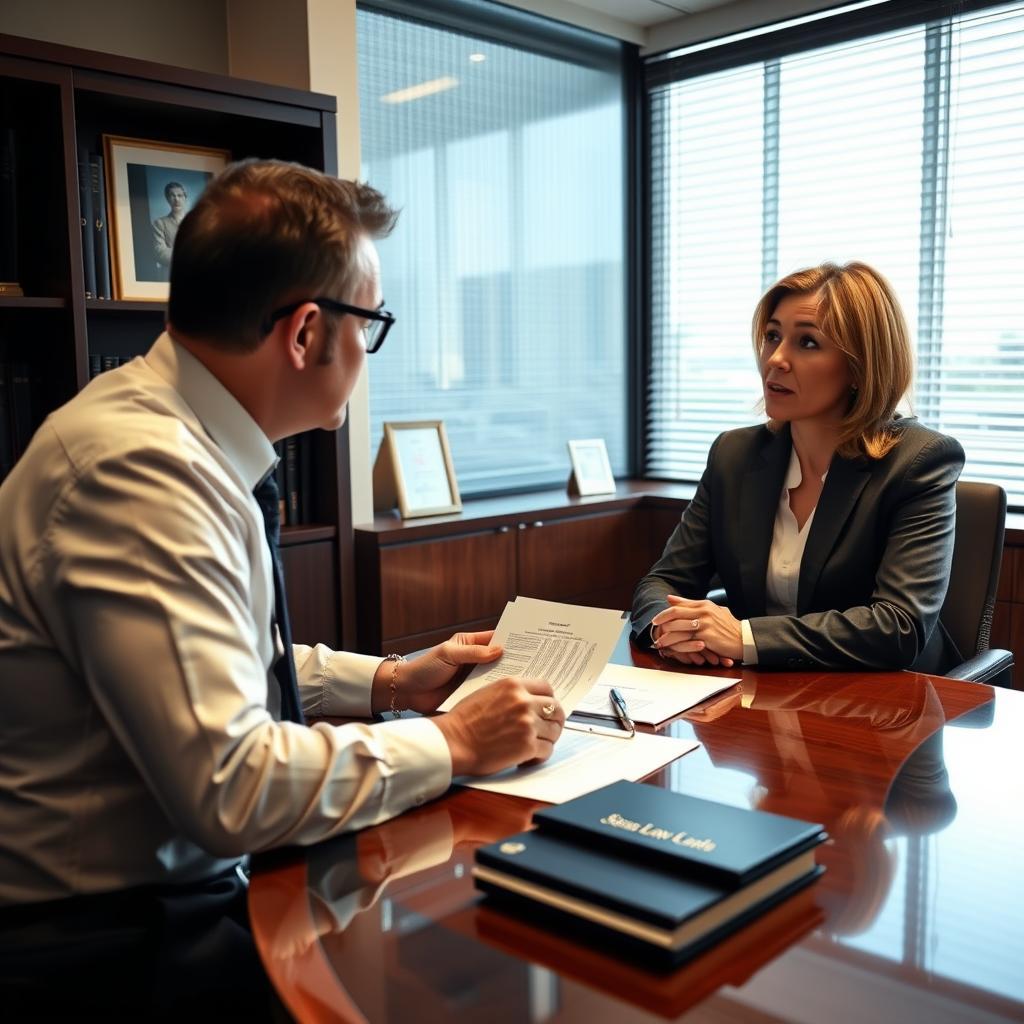
Salem VA Special Needs Trust Lawyer — How Do You Protect Benefits and Provide Care?
A Salem VA special needs trust lawyer from Law Offices Of SRIS, P.C. helps families create a legal structure that provides for a loved one with disabilities without jeopardizing their eligibility for essential government benefits like Medicaid and Supplemental Security Income (SSI).
What Is a Special Needs Trust in Virginia?
A special needs trust (SNT), also known as a supplemental needs trust, is a fiduciary arrangement established for the benefit of an individual with a disability. Its primary purpose is to supplement, not replace, the public benefits the individual receives. Under Virginia law, assets held within a properly drafted SNT are not counted as a resource for means-tested programs, preserving crucial benefits.
Last verified: April 2026 | Salem Circuit Court | Virginia General Assembly
Founded in 1997, our firm’s experience in trust and estate planning allows us to handle the specific rules governing these instruments. A trust attorney must ensure the trust complies with both federal law (42 U.S.C. § 1396p(d)(4)) and Virginia’s trust code to avoid unintended disqualification from benefit programs.
Official Resources and Statutes
Understanding the legal framework is critical. Virginia’s trust laws provide the structure, while federal statutes dictate how trusts interact with benefit programs.
- Virginia Uniform Trust Code (Official Virginia Law)
- Social Security Administration Program Operations Manual System
Local Process for Establishing a Trust in Salem
Creating a special needs trust in Salem involves careful planning and precise drafting. The process must account for the beneficiary’s lifelong needs and the strict requirements of public benefit agencies. A trust administration lawyer can manage the trust after it is funded to ensure ongoing compliance.
- Initial Consultation: Meet with a Salem VA special needs trust lawyer to review the beneficiary’s needs, current benefits, and family assets.
- Trust Design: Decide between a first-party trust (funded with the beneficiary’s own assets) or a third-party trust (funded by others).
- Drafting the Trust Instrument: The lawyer drafts the legal document, naming a trustee and specifying how funds should be used to supplement care.
- Execution and Funding: The trust is signed and assets are formally transferred into it, establishing it as a legal entity.
- Administration Setup: Instructions are provided to the trustee on proper distributions, record-keeping, and reporting to benefit agencies.
Why Choose Our Firm for Trust Planning
Law Offices Of SRIS, P.C. was founded in 1997. Our attorneys bring a focused understanding of how special needs trusts interact with complex government benefit rules. We provide trust planning help that looks at the entire picture—estate planning, public benefits, and your family’s unique dynamics—to create a plan that offers peace of mind.
Getting Trust Planning Help in Salem
If you are caring for a loved one with a disability, proactive planning is the key to securing their future. A Salem VA special needs trust lawyer can design a solution that protects their quality of life and your family’s legacy.
Results may vary. Prior results do not aim for a similar outcome.
Law Offices Of SRIS, P.C.
Serving Salem and surrounding communities.
Toll-Free: (888) 437-7747
Consultations available 24/7 by phone. Meetings by appointment only.
Frequently Asked Questions
What is the main benefit of a special needs trust?
Yes. The primary benefit is preserving eligibility for needs-based government benefits like Medicaid and SSI. Assets in the trust are not counted against the beneficiary’s resource limits, allowing the trust to pay for supplemental needs that benefits do not cover.
Can I leave money directly to my child with special needs in my will?
It depends. A direct inheritance could disqualify them from benefits by pushing their assets over the program limits. A third-party special needs trust, established within your will, is the standard method to provide an inheritance without causing benefit loss.
Who should be the trustee of a special needs trust?
The trustee can be a family member, a trusted friend, or a professional fiduciary like a bank or trust attorney. The role requires understanding benefit rules, managing money responsibly, and making distributions in the beneficiary’s best interest.
What is the difference between a first-party and a third-party trust?
A first-party trust holds assets that belong to the beneficiary (e.g., from an inheritance or lawsuit). It has a Medicaid payback requirement. A third-party trust holds assets from other people (e.g., parents) and has no payback requirement, preserving remaining funds for other family members.
When is the right time to set up a special needs trust?
The best time is as soon as long-term planning becomes a concern. It is often created by parents as part of their estate plan. However, it can also be needed urgently if a person with disabilities receives a sudden lump sum, like a legal settlement.
Related Practice Areas: For other estate planning needs in Salem, you may also consider speaking with a Virginia estate planning lawyer.
More Local Help: If you are in a neighboring area, our Roanoke special needs trust lawyer team is also available to assist.
Statewide Information: Learn more about our firm’s approach on our Virginia trust and estate lawyer hub page.
Page Last verified: April 2026. Laws and procedures can change. Contact Law Offices Of SRIS, P.C. at (888) 437-7747 for the most current guidance regarding your specific situation.