
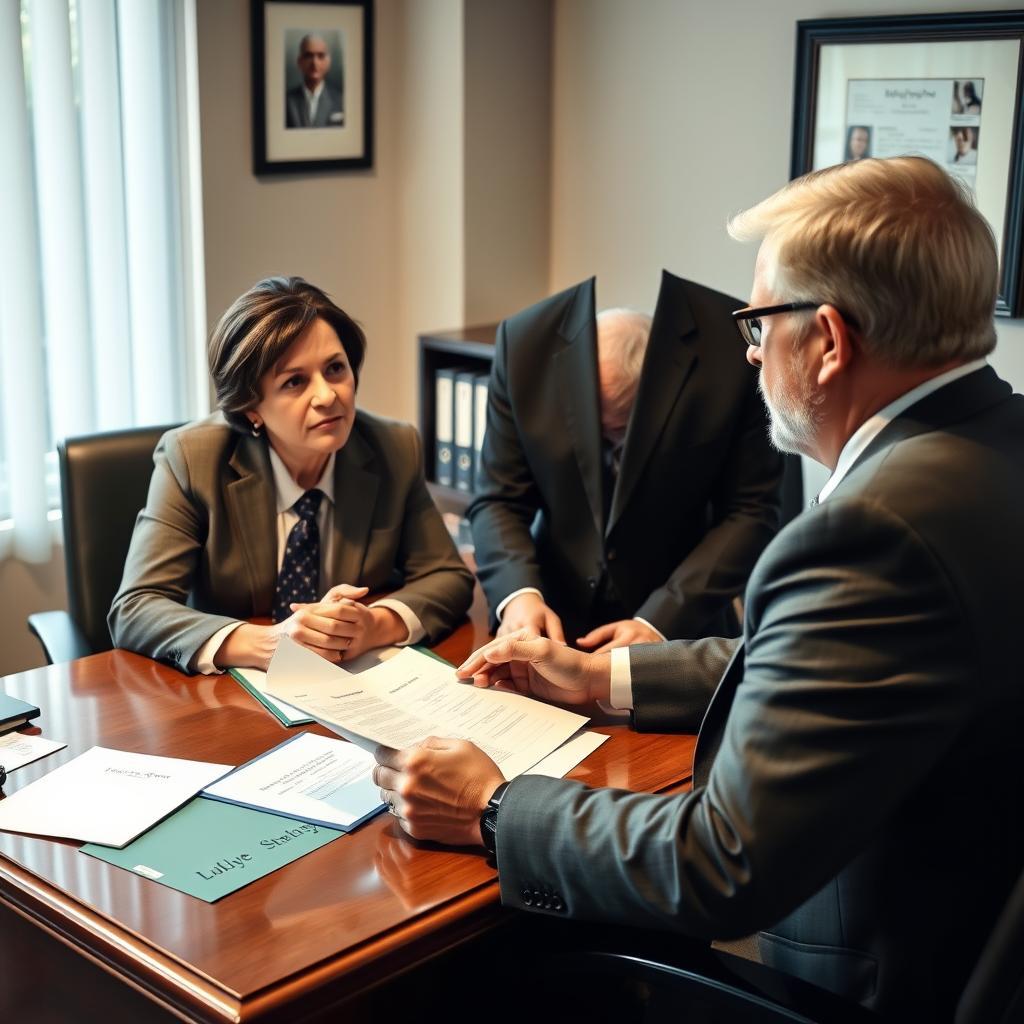
Winchester VA Foundation Planning Lawyer — How Do You Structure a Charitable Foundation?
Establishing a charitable foundation in Winchester, Virginia, involves handling specific state statutes under the Virginia Uniform Trust Code and federal IRS regulations for 501(c)(3) status. A Winchester VA Foundation Planning Lawyer from Law Offices Of SRIS, P.C. provides the necessary legal help to structure your philanthropic vision correctly, ensuring compliance and maximizing tax benefits.
Virginia Law on Charitable Foundations and Trusts
In Virginia, the creation and administration of charitable foundations, whether structured as trusts or nonprofit corporations, are governed by the Virginia Uniform Trust Code (Va. Code § 64.2-700 et seq.) and the Virginia Nonstock Corporation Act (Va. Code § 13.1-801 et seq.). A foundation is a type of charitable entity, often a private foundation, established to manage donated assets and distribute funds for specific philanthropic purposes. The legal structure you choose—a charitable trust or a nonprofit corporation—carries distinct implications for governance, liability, and operational flexibility. Proper foundation planning requires precise drafting of governing documents, adherence to strict IRS rules for tax-exempt status, and a clear understanding of fiduciary duties.
Last verified: April 2026 | Winchester General District Court | Virginia General Assembly
Official Legal Resources
- Va. Code § 64.2-700 et seq. (Virginia Uniform Trust Code) — Official Virginia statute governing charitable trusts.
- IRS Charities and Nonprofits Section — Federal guidelines for 501(c)(3) tax-exempt status and compliance.
Key Steps and Local Considerations for Foundation Planning
Foundations in Winchester must be meticulously planned to satisfy both Virginia law and the Internal Revenue Service. The first critical decision is choosing between a charitable trust and a nonprofit corporate structure, each with different reporting requirements and levels of donor control. For Winchester residents, aligning the foundation’s purpose with community needs can be a strategic focus.
- Define Philanthropic Mission & Structure: Clearly articulate the charitable purpose and decide on a trust or corporate form based on control, liability, and operational needs.
- Draft Governing Documents: Prepare a detailed trust agreement or articles of incorporation and bylaws that comply with Virginia law and IRS prerequisites for tax exemption.
- Secure State Recognition: File necessary documents with the Virginia State Corporation Commission to formally create the legal entity.
- Apply for Federal Tax-Exempt Status: Submit IRS Form 1023 or 1023-EZ to obtain 501(c)(3) recognition, a process requiring precise legal and financial disclosures.
- Establish Governance & Compliance Systems: Implement policies for board governance, conflict of interest, grantmaking, and financial record-keeping to meet ongoing state and federal requirements.
Why Choose Our Firm for Your Foundation Planning
Law Offices Of SRIS, P.C. was founded in 1997 by former prosecutor Mr. Sris. Our firm brings a combined 120+ years of legal experience to complex planning matters. We understand that foundation planning is not just about documents—it’s about creating a lasting legacy. Our approach integrates your charitable goals with rigorous legal strategy to build a resilient structure. We provide the business legal help needed to handle the intersection of philanthropy, tax law, and corporate governance.
Documented Experience in Planning Matters
While foundation planning is a specialized area often integrated within broader estate plans, our firm’s extensive work in trust and estate law provides a strong foundation for this service. Law Offices Of SRIS, P.C. has a firm-wide track record of 4,739+ documented results across all practice areas with a 93%+ favorable outcome rate, reflecting our commitment to detailed, client-focused representation.
Results may vary. Prior results do not aim for a similar outcome.
Foundation Planning Legal Help in Winchester, VA
Law Offices Of SRIS, P.C.
Shenandoah Valley Location — 505 N Main St, Ste 103
Woodstock, VA 22664
Toll-Free: (888) 437-7747
By appointment only.
Our Shenandoah Valley location serves Winchester and surrounding communities. We offer 24/7 phone consultations at (888) 437-7747, with meetings scheduled by appointment only. If you are considering establishing a private foundation or charitable trust, contact a Winchester VA Foundation Planning Lawyer at our firm for guidance case-specific to your philanthropic objectives.
Frequently Asked Questions
What is the difference between a private foundation and a public charity?
It depends on the funding source and public support. A private foundation is typically funded by a single source, like a family or corporation, and has stricter IRS rules and excise taxes. A public charity receives broad public support and enjoys more favorable tax treatment. A corporate lawyer can advise on which structure aligns with your goals.
Do I need a lawyer to start a foundation in Virginia?
Yes. While forms exist, the process involves complex state corporate filings and intricate IRS applications for tax-exempt status. Mistakes can lead to denial of 501(c)(3) status, tax liabilities, or personal liability for directors. A foundation planning lawyer ensures proper structure and compliance from inception.
What are the ongoing legal duties for a foundation?
Foundation trustees or directors have a fiduciary duty to manage assets prudently and exclusively for charitable purposes. Ongoing duties include filing annual IRS Form 990-PF, making mandatory annual distributions, avoiding prohibited transactions, and adhering to the terms of the governing documents. A commercial lawyer can help establish compliance protocols.
Can a foundation own a business or investment property?
Yes, but with significant restrictions. A foundation can own assets to generate investment income for its charitable programs. However, owning an active business may trigger unrelated business income tax (UBIT). All investments must avoid jeopardizing the charitable assets, and certain transactions with disqualified persons are strictly prohibited.
How long does it take to get IRS 501(c)(3) approval?
The timeline varies. For a standard application (Form 1023), the IRS currently estimates 3 to 12 months. Using the streamlined Form 1023-EZ can reduce processing to 2-4 weeks, but not all foundations qualify. Planning ahead with a business attorney can help you choose the right path and prepare a complete application.
Last verified: April 2026. Laws and procedures change. Contact Law Offices Of SRIS, P.C. at (888) 437-7747 for the most current guidance on foundation planning in Winchester, Virginia.