
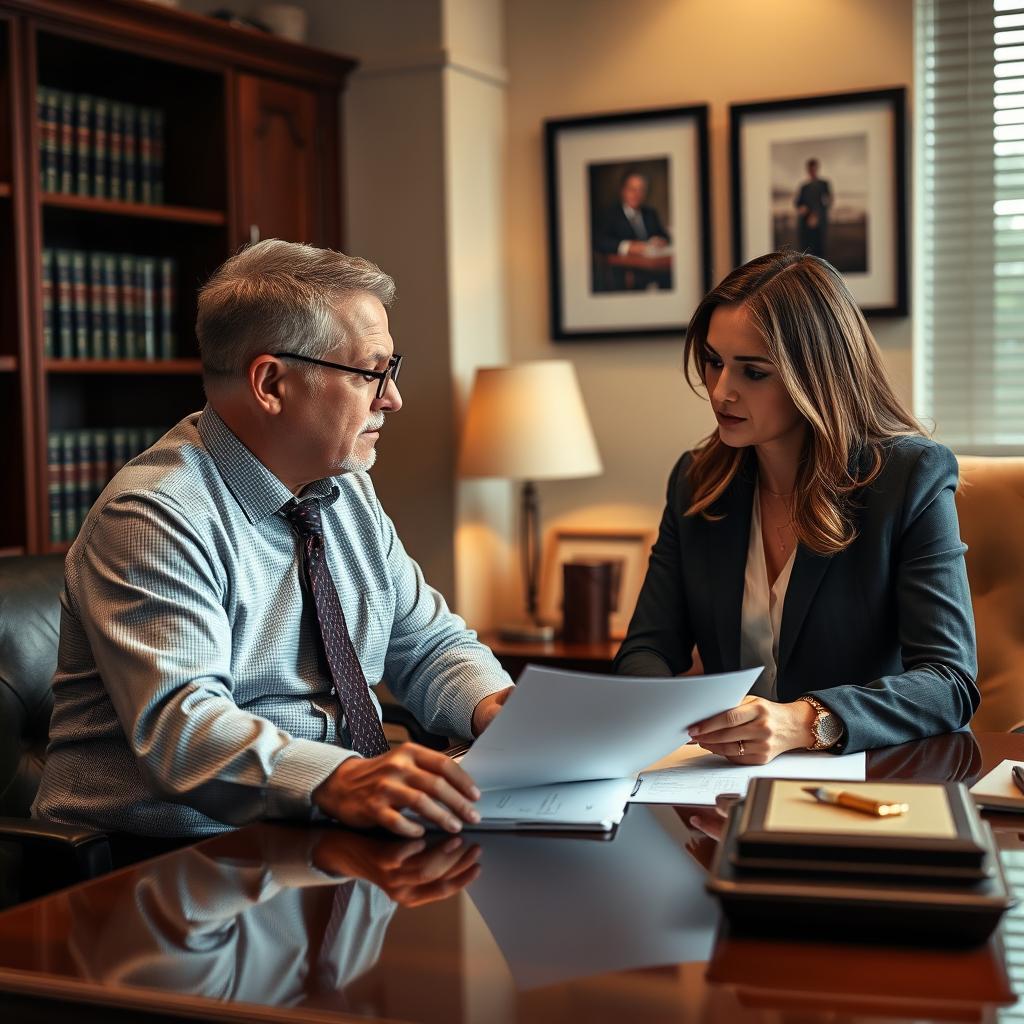
Spouse Visa Lawyer Maryland — How Can We Help You Stay Together?
A Maryland spouse visa (CR-1/IR-1) petition is a complex family-based immigration process requiring precise documentation. Law Offices Of SRIS, P.C. provides focused legal help to handle USCIS and NVC procedures. Our immigration attorney works to avoid common delays and requests for evidence, aiming for a smooth path to lawful permanent residence for your spouse.
Understanding the Spouse Visa Process in Maryland
The spouse visa, officially known as the CR-1 (conditional resident) or IR-1 (immediate relative) visa, is governed by the Immigration and Nationality Act (INA). The process begins when a U.S. citizen or lawful permanent resident (LPR) petitioner files Form I-130, Petition for Alien Relative, with U.S. Citizenship and Immigration Services (USCIS). This establishes the qualifying relationship. For Maryland residents, this petition is typically filed with the USCIS lockbox facility serving your area, though it may be processed at a service center like the Potomac Service Center.
Last verified: April 2026 | U.S. Citizenship and Immigration Services (USCIS) | U.S. Department of State
Founded in 1997, our firm has handled numerous family-based immigration cases. Mr. Sris, our founding attorney, brings a strategic approach to building strong, evidence-based petitions from the outset.
Official Government Resources
It is crucial to rely on official sources for immigration forms and information. You can review the Immigration and Nationality Act on the U.S. Code website. For specific forms, fees, and processing times, always refer to the official USCIS website.
The Local Procedural Edge for Maryland Applicants
Maryland applicants benefit from proximity to several key immigration offices, but this also means petitions are held to a high standard. USCIS officers are meticulous in reviewing evidence of a bona fide marriage. A common procedural hurdle is the Request for Evidence (RFE), which can add months to the process if the initial petition is incomplete.
- Case Evaluation & Strategy: We review your situation, identify potential issues (like prior immigration history), and plan the evidence package.
- Petition Preparation (I-130): We meticulously draft the I-130 petition and assemble supporting documents—marriage certificate, proof of petitioner’s status, and bona fide marriage evidence.
- USCIS Submission & Monitoring: We file the petition, provide you with receipt notices, and monitor case status, preparing a response strategy for any potential RFE.
- National Visa Center (NVC) Stage: After I-130 approval, we guide you through the NVC’s immigrant visa application (DS-260) and financial support form (I-864) process.
- Consular Interview Preparation: We prepare you and your spouse for the final interview at the U.S. embassy or consulate, including a mock interview session.
Potential Challenges in the Spouse Visa Process
While the spouse visa process is designed for family reunification, challenges like processing delays, requests for evidence, and proving a bona fide marriage can arise.
Each case is unique, and outcomes depend on specific facts and adherence to evolving regulations. An experienced visa lawyer can help anticipate and address these issues.
Why Choose Our Firm for Your Immigration Case
Law Offices Of SRIS, P.C. was founded in 1997. Our team is dedicated to providing clear, direct immigration help. We focus on the details of your case to build the strongest possible application, understanding that this process is about uniting families. We handle cases from the initial filing through to the consular interview.
Seeking Dedicated Legal Help
handling immigration law requires precise attention to procedure and evidence. Our firm provides focused representation for spouse visa petitions. We work to prepare thorough applications that address potential questions from immigration officials upfront.
Results may vary. Prior results do not aim for a similar outcome.
Local Maryland Immigration Assistance
Law Offices Of SRIS, P.C.
By appointment only.
Toll-Free: (888) 437-7747 | Local: (301) 637-8072
24/7 phone consultations — meetings by appointment only.
If you are looking for a spouse visa lawyer Maryland residents trust for direct counsel, contact us to discuss your situation. We serve clients across Maryland seeking family-based immigration solutions.
Maryland Spouse Visa FAQs
How long does a spouse visa take for a Maryland petitioner?
It depends. Current USCIS processing for an I-130 petition can range from 12 to 24 months. After approval, the National Visa Center and consular interview stages add several more months. Total processing often takes 1.5 to 3 years, but timelines fluctuate based on USCIS caseloads and the beneficiary’s home country.
What evidence proves a “bona fide” marriage for USCIS?
USCIS looks for evidence of a shared life. Key documents include a joint lease or mortgage, joint bank accounts, shared utility bills, life insurance policies naming each other as beneficiaries, photos together over time, and affidavits from friends and family. Financial co-mingling is often viewed as strong evidence.
Can I adjust status in the U.S. instead of applying for a spouse visa?
It depends on your spouse’s current immigration status. If your spouse entered the U.S. legally and is currently in a status that allows for adjustment (which is rare), filing Form I-485 may be an option. Most spouses of U.S. citizens abroad must go through the consular visa process. An immigration consultation can determine your eligible path.
What is the difference between a CR-1 and an IR-1 visa?
The difference is based on the length of the marriage at the time of filing or the immigrant’s entry. An IR-1 visa is issued if the marriage is over two years old when the immigrant enters the U.S., granting immediate permanent residence. A CR-1 visa is issued if the marriage is less than two years old, granting conditional permanent residence for two years, after which a joint petition to remove conditions must be filed.
What happens if our I-130 petition is denied?
If an I-130 is denied, the petitioner generally has the right to appeal the decision to the USCIS Administrative Appeals Office (AAO) within 30 days by filing Form I-290B. The appeal must argue that the denial was incorrect based on the law or evidence. Alternatively, you may be able to refile a new petition if you can correct the deficiency that caused the denial.
Under Md. Code, Corps. & Assns. § 1-101, state law governs this practice area.