
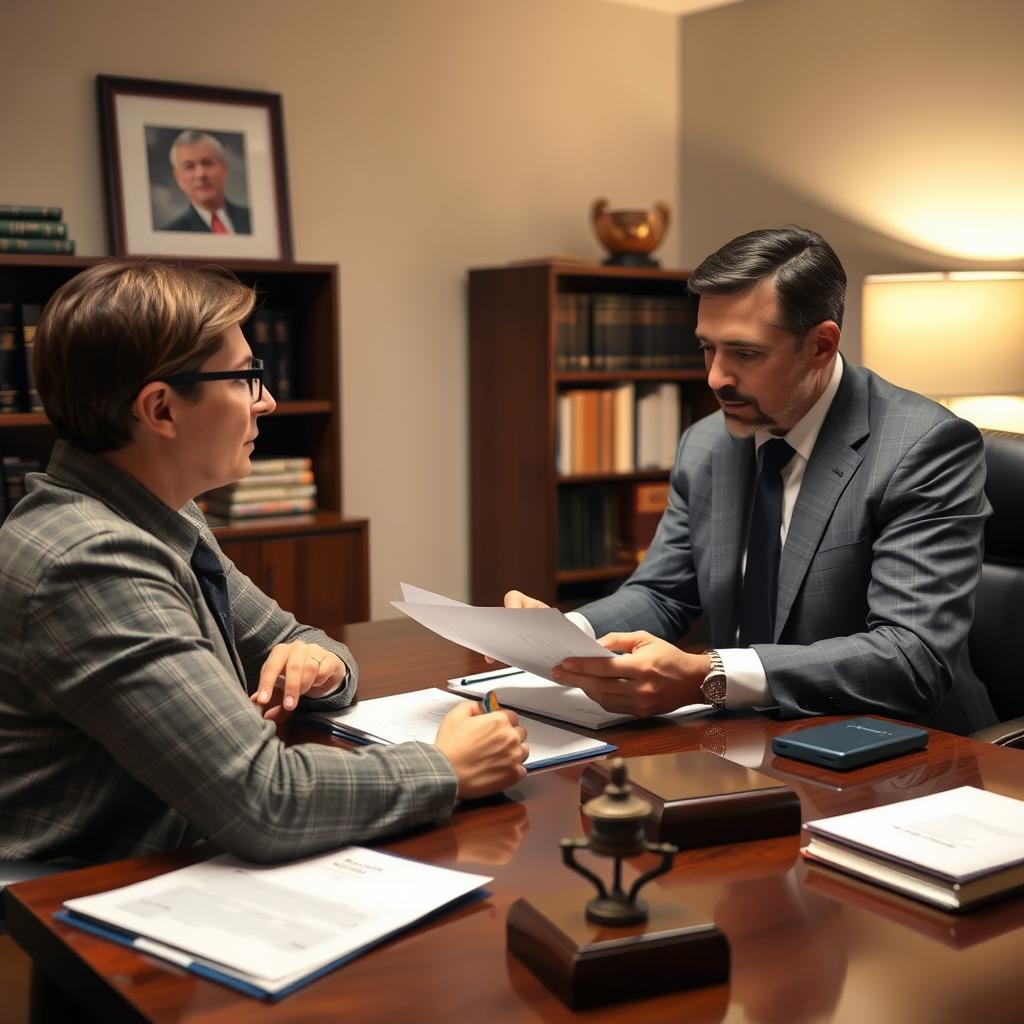
Slander Lawyer Columbia Heights — Defending Your Reputation
A slander claim in Columbia Heights can threaten your reputation and finances. Slander is a spoken defamation under D.C. law, requiring proof of a false statement, publication, fault, and harm. The Law Offices Of SRIS, P.C. provides a strong defense for individuals and businesses facing slander accusations in the District of Columbia. Our firm has extensive experience handling defamation cases in D.C. Superior Court.
Last verified: March 2026 | D.C. Superior Court | D.C. Council official code
What Is Slander Under D.C. Law?
Slander is a form of defamation involving a false and damaging spoken statement. In Washington, D.C., the legal framework for slander is established by common law, as the District does not have a single codified defamation statute. To prove slander, a plaintiff must generally show: (1) a false and defamatory statement concerning the plaintiff; (2) an unprivileged publication to a third party; (3) fault amounting at least to negligence on the part of the publisher; and (4) either the statement’s actionable nature or special harm caused by its publication. Certain categories of statements, like those accusing someone of a crime or injuring them in their trade or profession, are considered “slander per se” and may not require proof of specific financial harm.
Official Legal Resources
While D.C. defamation law is primarily based on court decisions, you can review the D.C. Official Code for related civil procedure rules. For court procedures, visit the District of Columbia Courts website.
Handling a Slander Case in D.C. Superior Court
Defending a slander lawsuit in Columbia Heights requires a precise strategy. The plaintiff must file their complaint in D.C. Superior Court, Civil Division. A key defense is establishing that the statement was true, a protected opinion, or covered by a privilege, such as statements made in a judicial proceeding. The timeline from filing to trial can vary significantly.
- Receive and review the complaint and summons served upon you.
- File a timely answer or pre-answer motion, such as a motion to dismiss for failure to state a claim.
- Engage in discovery, including interrogatories, requests for documents, and depositions to gather evidence.
- Consider filing a motion for summary judgment if the facts and law support dismissal before trial.
- Prepare for and participate in settlement conferences or mediation.
- Proceed to trial if a settlement cannot be reached.
Potential Consequences of a Slander Judgment
In Columbia Heights, a successful slander lawsuit can result in significant monetary damages intended to compensate for harm to reputation and emotional distress, and in some cases, punitive damages.
| Potential Award | Purpose | Key Consideration |
|---|---|---|
| Compensatory Damages | To compensate for actual harm to reputation, emotional distress, and any economic losses. | Must be proven with evidence. |
| Punitive Damages | To punish the defendant for especially malicious or reckless conduct. | Requires proof of malice. |
| Injunction | A court order to stop further publication of the statement. | Rarely granted due to First Amendment concerns. |
Results may vary. Prior results do not aim for a similar outcome.
Our Experience in Defamation Law
Founded in 1997, the Law Offices Of SRIS, P.C. brings a deep understanding of civil litigation in Washington, D.C. Our firm’s founder, Mr. Sris, has built a practice dedicated to vigorous client advocacy. We approach each slander case by meticulously analyzing the alleged statement, the context of its publication, and the applicable defenses to protect your rights and reputation.
Case Results in Defamation and Civil Litigation
Our attorneys have successfully defended clients in various civil matters. While every case is unique, our strategic approach focuses on early case assessment and assertive motion practice to seek favorable resolutions.
Results may vary. Prior results do not aim for a similar outcome.
Law Offices Of SRIS, P.C.
By appointment only.
Toll-Free: (888) 437-7747
24/7 phone consultations. Meetings by appointment only.
Our firm serves clients in Columbia Heights and surrounding D.C. neighborhoods. If you need an affordable slander lawyer Washington Columbia Heights, we offer accessible legal support. As a dedicated slander lawyer Washington near me Columbia Heights, we understand the local legal field.
Frequently Asked Questions
Is slander a crime in Washington, D.C.?
No. Slander is a civil wrong (a tort) in D.C., not a crime. You sue for damages in civil court, unlike criminal libel laws that exist in some states.
What is the difference between slander and libel?
It depends on the medium. Slander involves transient, spoken defamation. Libel involves defamation in a fixed, tangible form like writing, broadcasting, or online posts. The legal principles are similar, but libel often faces fewer procedural hurdles.
Can I be sued for slander for something I posted online?
Yes. Online posts are generally considered libel (written), not slander (spoken), because they are in a fixed form. The legal claims and defenses are very similar to traditional defamation cases.
What is a “retraction” and does it help?
A retraction is a public correction or withdrawal of the false statement. Issuing a prompt and sincere retraction can significantly reduce potential damages by showing a lack of malice and mitigating the harm caused.
How long do I have to file a slander lawsuit in D.C.?
The statute of limitations for defamation (slander and libel) in the District of Columbia is one year from the date the defamatory statement was published. Missing this deadline typically bars the lawsuit.
Last verified: March 2026. Laws can change. Contact the Law Offices Of SRIS, P.C. at (888) 437-7747 for current guidance regarding your specific situation.