
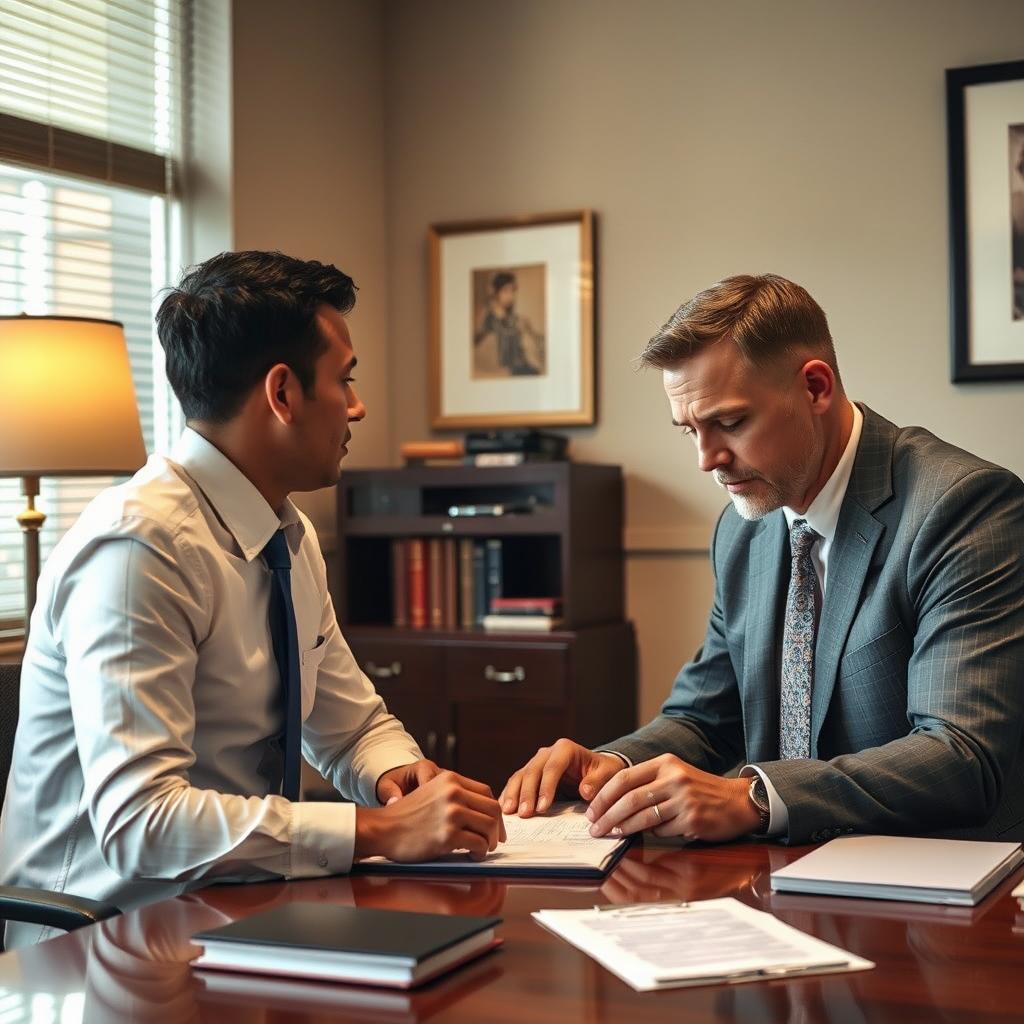
Derivative Action Lawyer U Street Corridor — Protecting Shareholder Rights
A derivative action is a lawsuit brought by a shareholder on behalf of a corporation against its directors or officers for alleged misconduct. In the U Street Corridor, these complex cases are governed by DC Code § 29-305.51 and are filed in DC Superior Court. Law Offices Of SRIS, P.C. provides focused representation for shareholders handling these high-stakes corporate disputes.
What Is a Derivative Action in Washington, D.C.?
A derivative action is a legal mechanism allowing a shareholder to sue a corporation’s directors, officers, or other insiders for wrongs committed against the corporation itself. The shareholder acts as a representative, with any recovery typically going to the corporate treasury. Under DC Code § 29-305.51, a plaintiff must be a shareholder at the time of the alleged wrong and must make a pre-suit demand on the corporation’s board to take corrective action, unless such demand is excused as futile.
Last verified: April 2026 | DC Superior Court | DC Council Official Code
The firm’s founder, Mr. Sris, a former prosecutor, established the practice in 1997. His transition to civil and commercial litigation provides a strategic perspective on building compelling cases for shareholder clients in the U Street Corridor and across Washington, D.C.
Official Legal Resources for Derivative Actions
Understanding the statutory framework is critical. The primary law governing derivative actions for DC corporations is DC Code § 29-305.51 (official DC Council website). These cases are litigated in the Civil Division of the DC Superior Court, which handles complex business litigation.
Procedural Edge for U Street Corridor Shareholders
DC Superior Court has a complex litigation track for cases like derivative actions, which can involve extensive discovery and experienced testimony. A key procedural hurdle is the demand requirement. Shareholders must first demand that the corporation’s board address the alleged wrongdoing. If the board refuses or if demand is deemed futile, the shareholder may proceed. The court will closely scrutinize the board’s investigation and response.
- Case Evaluation & Demand: An attorney reviews your standing and the alleged misconduct. A formal written demand is typically sent to the corporate board.
- Board Response & Investigation: The board may form a special committee to investigate the allegations. Their findings can lead to a motion to dismiss the suit.
- Filing the Complaint: If demand is refused or futile, a derivative complaint is filed in DC Superior Court, naming the corporation as a nominal defendant.
- Litigation & Discovery: The case proceeds through motions, document production, and depositions to uncover evidence of breach of fiduciary duty.
- Settlement or Trial: Most derivative actions settle, often resulting in corporate governance reforms and monetary recovery for the company.
Potential Outcomes and Legal Standards
In the U Street Corridor, a successful derivative action can result in monetary damages paid to the corporation, changes in corporate policy, and reimbursement of the plaintiff’s attorney fees by the corporation.
| Claim Basis | Legal Standard | Potential Relief |
|---|---|---|
| Breach of Fiduciary Duty | Gross negligence, bad faith, or self-dealing by directors/officers. | Damages to corporation, injunctive relief, fee shifting. |
| Corporate Waste | An exchange so one-sided no person of ordinary sound judgment would agree. | Rescission of transaction, damages. |
| Unjust Enrichment | Defendant benefited at corporation’s expense in a manner against equity. | Disgorgement of profits. |
Results may vary. Prior results do not aim for a similar outcome.
Firm Authority in Commercial Litigation
Law Offices Of SRIS, P.C. was founded in 1997. With a combined attorney experience exceeding 120 years, the firm has handled thousands of cases. Our tagline, “Advocacy Without Borders,” reflects our commitment to complex litigation across jurisdictions. For derivative actions and other shareholder disputes, we apply rigorous analysis to protect client investments.
Case Results and Legal Approach
While specific derivative action results in Washington, D.C., are not publicly listed, the firm’s commercial litigation team approaches each case with a detailed strategy. We analyze corporate records, assess the strength of the demand futility argument, and prepare for the intensive discovery process typical in these suits. Our goal is to achieve a resolution that corrects the corporate wrong and maximizes recovery.
Results may vary. Prior results do not aim for a similar outcome.
Local Access for U Street Corridor Clients
Law Offices Of SRIS, P.C.
Arlington Location — 1655 Fort Myer Dr, Suite 700, Room No. 719
Arlington, VA 22209
Toll-Free: (888) 437-7747 | Local: (703) 273-4105
By appointment only.
Our Arlington location is approximately 3 miles from DC Superior Court, accessible via I-395 and Key Bridge. We serve as your derivative action lawyer washington near me U Street Corridor, providing accessible counsel for shareholders in Georgetown, Capitol Hill, Dupont Circle, Adams Morgan, and the U Street Corridor itself. We offer 24/7 phone consultations — (888) 437-7747 — with meetings by appointment only.
Derivative Action Lawyer U Street Corridor FAQ
What is the difference between a direct and a derivative action?
It depends on who was harmed. A direct action is for a wrong against you, the shareholder, personally (e.g., denial of voting rights). A derivative action is for a wrong against the corporation (e.g., directors stealing corporate funds), where you sue on the company’s behalf. Any recovery goes to the corporation.
Do I have to own a certain percentage of stock to file a derivative suit in DC?
No. DC Code § 29-305.51 does not set a minimum ownership percentage. You must have been a shareholder at the time of the alleged wrong and remain one throughout the litigation to have standing to bring the action.
What does “demand futility” mean?
It is a legal argument that making a pre-suit demand on the board would be useless because a majority of the directors are not independent or are accused of the wrongdoing. If a court agrees demand is futile, you can file suit without first making the demand.
Can the corporation make me pay its legal fees if I lose?
Potentially, yes. If the court finds your suit was brought without reasonable cause or for an improper purpose, it may order you to pay the corporation’s reasonable expenses, including attorney fees. This underscores the need for thorough legal evaluation before filing.
How do I find an affordable derivative action lawyer washington U Street Corridor?
Many firms, including ours, offer initial case evaluations. Discuss fee structures upfront; some derivative actions may be taken on a contingency basis where fees are paid from the recovery, or through court-awarded fees if the suit benefits the corporation.
Last verified: April 2026. Laws and procedures can change. For current guidance on a derivative action matter in the U Street Corridor, contact Law Offices Of SRIS, P.C. at (888) 437-7747.
DC Commercial Lawyer Hub | Shareholder Litigation Lawyer Washington, D.C. | Business Lawyer Washington, D.C.