
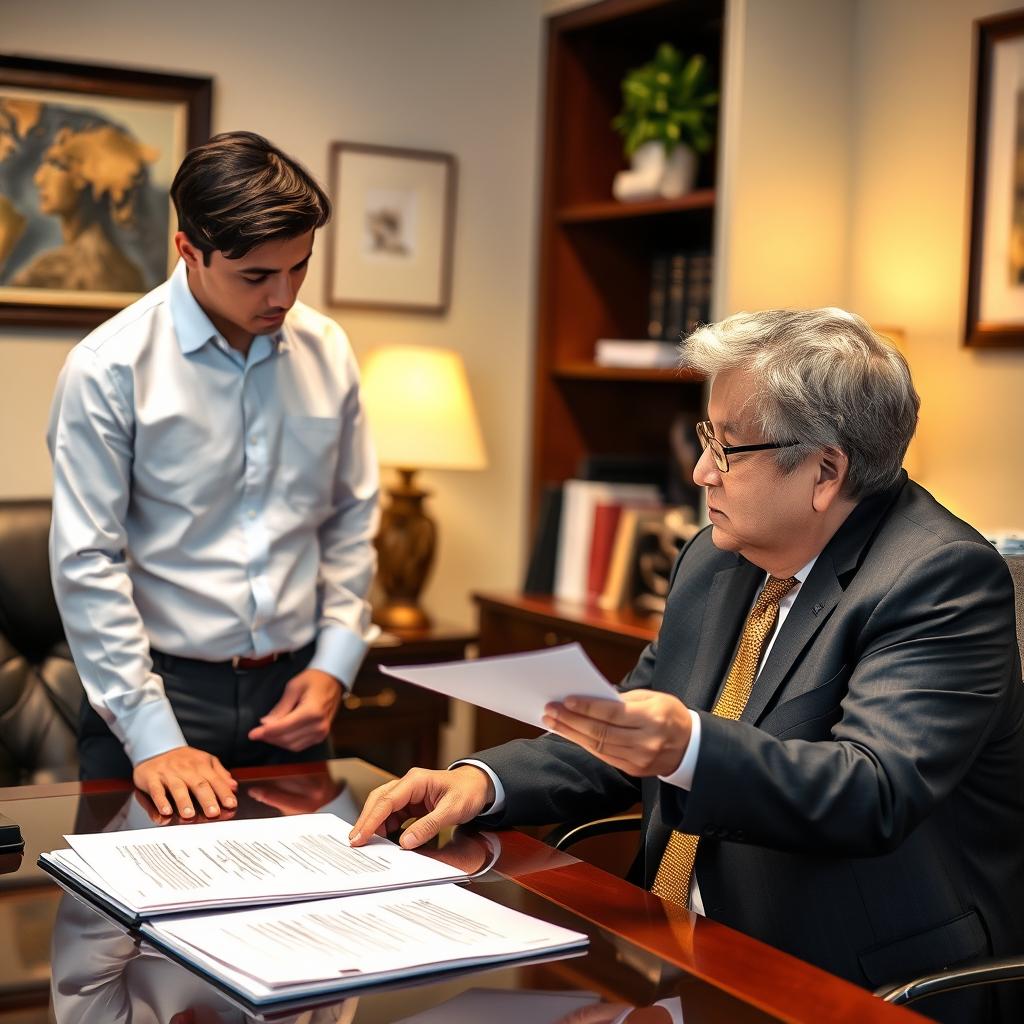
Foundation Planning Lawyer in Gloucester County, NJ
Establishing a private or charitable foundation in Gloucester County requires precise legal planning under New Jersey’s Uniform Trust Code (N.J.S.A. 3B:31-1 et seq.) and IRS regulations. A foundation planning lawyer Gloucester County from Law Offices Of SRIS, P.C. provides the structured guidance needed to create a compliant, tax-advantaged entity that fulfills your philanthropic goals.
New Jersey Foundation Law and Statutory Requirements
In New Jersey, the creation and operation of private foundations are governed by the New Jersey Uniform Trust Code (N.J.S.A. 3B:31-1 et seq.) and the New Jersey Nonprofit Corporation Act (N.J.S.A. 15A:1-1 et seq.). A foundation is a type of charitable trust or nonprofit corporation established to manage donated assets for charitable purposes. The law imposes strict fiduciary duties on trustees or directors, including the duty of loyalty and the duty to prudently invest assets. New Jersey repealed its state estate tax in 2018, but foundations remain subject to federal tax rules under Internal Revenue Code § 501(c)(3) and must adhere to specific distribution requirements and prohibitions against self-dealing.
Last verified: April 2026 | Superior Court of NJ, Gloucester Vicinage | New Jersey Legislature
Official Legal Resources for Gloucester County
For authoritative information on the laws governing foundations, refer to the official state statutes and the local court that may handle related fiduciary matters. The New Jersey Statutes (N.J.S.A.) Title 15A details nonprofit corporation requirements. For matters involving trust administration or disputes, the Superior Court of New Jersey, Gloucester Vicinage has jurisdiction over probate and trust proceedings.
Key Steps for Foundation Setup in Gloucester County
Setting up a foundation involves several critical legal and administrative steps. In Gloucester County, the process begins with defining a clear charitable purpose that complies with IRS guidelines for tax-exempt status. A private foundation setup lawyer Gloucester County will advise on the optimal structure—whether as a trust or a nonprofit corporation—based on your goals for control, liability, and operational flexibility. The key procedural step is filing for federal tax-exempt status (Form 1023) with the IRS, which requires detailed organizational documents and financial plans. Locally, you must also register with the New Jersey Division of Consumer Affairs, Charities Registration Section.
- Define Purpose & Structure: Work with your attorney to draft a charitable mission statement and choose between a trust or corporate structure.
- Draft Governing Documents: Create and execute a detailed trust agreement or articles of incorporation and bylaws.
- Obtain Federal Tax Exemption: Prepare and submit IRS Form 1023 to secure 501(c)(3) status.
- Register with State Authorities: File necessary documents with the NJ Division of Revenue and the Charities Registration Section.
- Establish Governance Policies: Implement conflict-of-interest policies, investment guidelines, and grant-making procedures.
- Commence Operations: Open bank accounts, fund the foundation, and begin charitable activities in compliance with all rules.
Potential Legal and Tax Implications
In Gloucester County, establishing a foundation carries significant legal and tax implications, including strict fiduciary duties, mandatory annual distributions, and prohibitions on certain transactions with disqualified persons.
| Aspect | Legal Standard / Classification | Key Implications |
|---|---|---|
| Tax-Exempt Status | IRS 501(c)(3) | Must operate exclusively for charitable purposes; subject to annual excise taxes on net investment income. |
| Minimum Distribution | IRC § 4942 | Generally must distribute approximately 5% of its investment assets each year for charitable purposes. |
| Self-Dealing Prohibition | IRC § 4941 | Strictly prohibits most financial transactions between the foundation and its substantial contributors, managers, or related parties. |
| State Compliance | NJ Charities Registration | Must register and file annual financial reports with the NJ Division of Consumer Affairs. |
| Fiduciary Duty | NJ Uniform Trust Code | Directors/Trustees must act prudently, loyally, and solely in the interest of the foundation’s charitable mission. |
Results may vary. Prior results do not guarantee a similar outcome.
Why Choose Our Firm for Your Foundation Planning
Law Offices Of SRIS, P.C. brings a depth of experience to foundation planning. Founded in 1997 by former prosecutor Mr. Sris, our firm has over 120 years of combined legal experience. We understand that a foundation is more than a legal entity; it’s a legacy. Our approach combines rigorous attention to legal detail with a strategic understanding of tax efficiency and long-term charitable impact. We guide clients through every phase, from initial concept and IRS approval to ongoing governance and compliance, ensuring your philanthropic vision is realized effectively and sustainably.
Our Commitment to Gloucester County Clients
Our firm is committed to serving clients throughout Gloucester County. While we maintain a New Jersey location for consultations, our legal team is accessible 24/7 by phone to address your foundation planning questions. We serve communities including Woodbury, Washington Township, Deptford, Monroe Township, Mantua, West Deptford, Glassboro, Woolwich, Harrison Township, and Pitman.
Law Offices Of SRIS, P.C.
44 Apple St, 1st Floor
Tinton Falls, NJ 07724
Toll-Free: (888) 437-7747 | Local: (609)-983-0003
By appointment only.
Availability: 24/7 phone consultations. Meetings by appointment only.
Foundation Planning FAQs for Gloucester County
What is the difference between a private foundation and a public charity?
It depends on the funding source and public support. A private foundation is typically funded by a single source, like an individual, family, or corporation, and is subject to stricter IRS rules and excise taxes. A public charity (like a community foundation) receives broad public support and enjoys more favorable tax treatment and fewer regulatory restrictions.
Do I need a lawyer to set up a private foundation in New Jersey?
Yes. A private foundation setup lawyer Gloucester County is important for handling complex IRS applications (Form 1023), drafting legally sound governing documents, ensuring compliance with New Jersey’s nonprofit and trust laws, and establishing proper governance policies to avoid penalties for self-dealing or insufficient distributions.
What are the ongoing responsibilities of a foundation director?
Directors or trustees have a fiduciary duty to manage foundation assets prudently, ensure the foundation makes its required minimum annual distributions for charitable purposes, avoid prohibited self-dealing transactions, file annual IRS Form 990-PF and state charity reports, and operate exclusively to further the foundation’s charitable mission.
Can a foundation make grants to individuals?
Yes, but under strict IRS rules. Grants to individuals must be made on a objective, nondiscriminatory basis pursuant to a pre-approved charitable program. The grants must further the foundation’s exempt purposes, and the selection process must avoid any conflict of interest. Detailed record-keeping is essential.
How does a charitable foundation lawyer help with tax compliance?
A charitable foundation lawyer Gloucester County ensures the entity qualifies for and maintains 501(c)(3) status, advises on calculating and meeting the annual distribution requirement, helps handle excise tax rules, prepares necessary state registrations, and ensures all transactions comply with complex IRS prohibitions to avoid severe penalties.
Page last verified and updated: April 2026. Laws and procedures change. Contact Law Offices Of SRIS, P.C. at (888) 437-7747 for the most current guidance regarding foundation planning.
Internal Resources: For more information, see our New Jersey Estate Planning hub page, learn about business law services in Gloucester County, or read about estate planning in neighboring Burlington County.
Your case in Gloucester County, New Jersey
Immigration matters are federal: removal cases for New Jersey residents are heard at the Newark Immigration Court and applications are decided by USCIS. County criminal charges that can affect immigration status are heard in the Criminal Part of the Law Division. In Gloucester County that is the Superior Court of NJ, Gloucester Vicinage (15th Vicinage), 70 Hunter Street, Woodbury, NJ 08096, telephone (856) 853-3200, open Mon-Fri 8:30AM-4:30PM. Court procedures change; confirm the current schedule on the official vicinage website or with the clerk before you file or appear.
The governing law for this topic is the federal Immigration and Nationality Act. Law Offices Of SRIS, P.C. handles Gloucester County matters from its New Jersey location at 44 Apple St 1st Floor, Tinton Falls, NJ 07724; meetings are by appointment. Request a New Jersey consultation at (888) 437-7747 or (609) 983-0003.
Related New Jersey pages: Gloucester County NJ lawyers directory.