
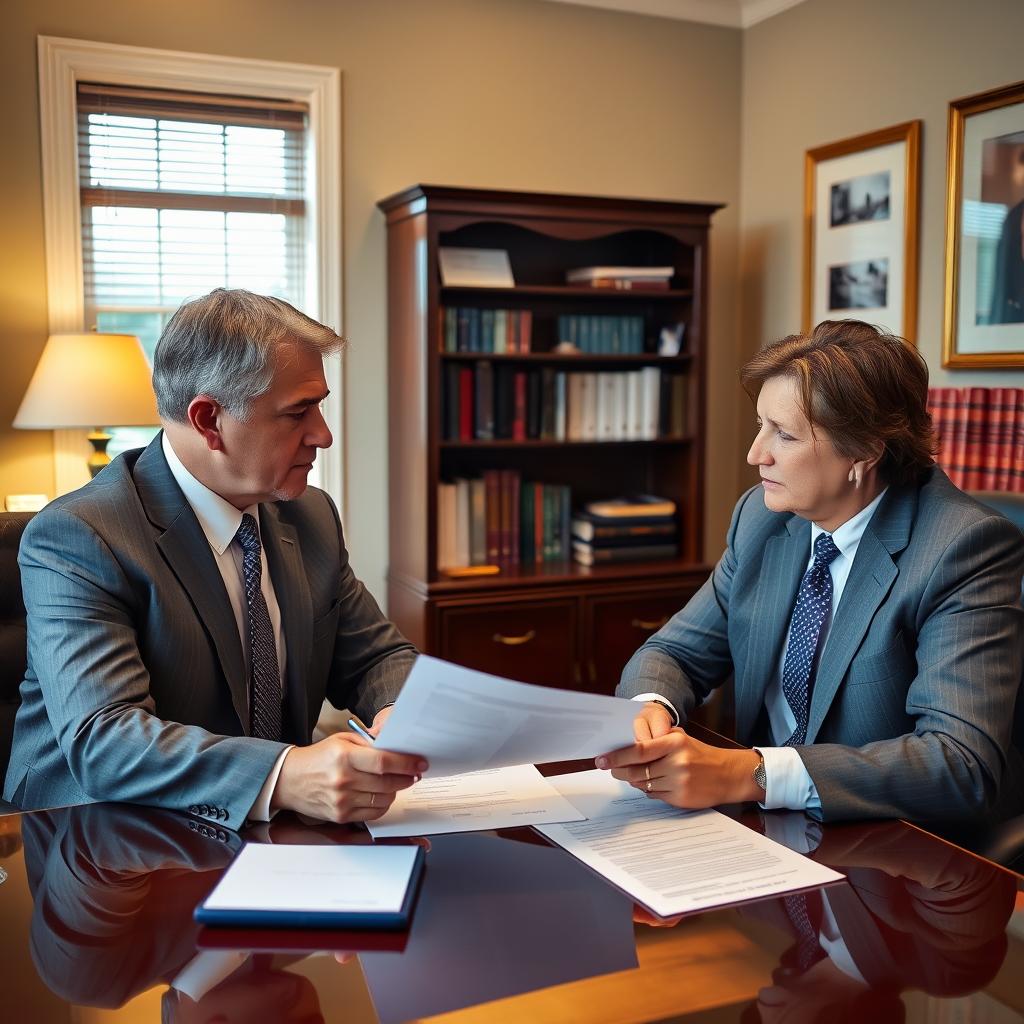
Aiding and Abetting lawyer York County, VA
If you are facing federal aiding and abetting charges in York County, Virginia, the matter falls under the jurisdiction of the U.S. District Court for the Eastern District of Virginia. Law Offices Of SRIS, P.C. provides experienced federal criminal defense representation to individuals in Yorktown, Grafton, Tabb, Seaford, and throughout York County who have been accused under 18 U.S.C. § 2. Founded in 1997 by former prosecutor Mr. Sris, the firm concentrates its practice on federal criminal matters, navigating the Federal Sentencing Guidelines, mandatory minimums, and the U.S. Attorney’s Office for the Eastern District. Mr. Sris and his Of Counsel bring over 120 years of combined legal experience to each matter, with 4,739+ documented firm-wide results. Results may vary. To speak with counsel about a federal aiding and abetting charge in York County, call (888) 437-7747. Law Offices Of SRIS, P.C. – Advocacy Without Borders.
What Federal Aiding and Abetting Means in York County, Virginia
Under 18 U.S.C. § 2, an individual who aids, abets, counsels, commands, induces, or procures the commission of a federal crime is punishable as a principal. In York County and across the Eastern District of Virginia, federal prosecutors from the U.S. Attorney’s Office routinely charge aiding and abetting alongside substantive offenses such as wire fraud, drug trafficking, or money laundering. The accused faces the same statutory penalties as the person who directly committed the offense. Because the federal system abolished parole in 1987, a conviction can result in a substantial period of incarceration, with good time credit of up to 54 days per year as the only reduction mechanism.
York County is within the Newport News Division of the Eastern District of Virginia. Federal cases, including aiding and abetting charges, are filed and heard at the federal courthouse located at 2400 West Avenue, Newport News, VA 23607. Investigations are typically conducted by agencies such as the FBI, DEA, IRS-Criminal Investigation, or ATF. Unlike Virginia state court proceedings, federal criminal cases require a grand jury indictment for felony charges and proceed through a strict sequence of initial appearance, detention hearing, arraignment, discovery, motions practice, and trial. Law Offices Of SRIS, P.C. represents clients at every stage of the federal process.
Penalties for Federal Aiding and Abetting Convictions
A federal aiding and abetting conviction carries the same sentencing range as the underlying offense. For example, if the defendant is convicted of aiding and abetting a drug trafficking conspiracy under 21 U.S.C. § 841, the mandatory minimum sentence tied to the drug quantity applies. The United States Sentencing Guidelines (USSG) calculate a guideline range based on offense level and criminal history, but the court retains discretion under United States v. Booker. Criminal fines, supervised release, and asset forfeiture are also typical consequences. Aiding and abetting a crime that results in death can lead to a life sentence or the death penalty in capital-eligible cases.
There is no parole in the federal system. An inmate may earn up to 54 days of good time credit per year, which can modestly reduce the time served. Collateral consequences—loss of firearm rights, professional license consequences, and immigration consequences for noncitizens—may attach even before sentencing. An experienced federal criminal defense attorney can evaluate the government’s evidence, identify procedural challenges, and advocate for a sentence below the guideline range or for a downward departure when circumstances warrant.
Court Procedure for Federal Aiding and Abetting in the Eastern District of Virginia
After a federal aiding and abetting charge is filed in the Eastern District of Virginia, the defendant appears before a U.S. Magistrate Judge for an initial appearance and, if in custody, a detention hearing. The court determines whether the defendant will be released pending trial under the Bail Reform Act, evaluating risk of flight and danger to the community. Felony charges require a grand jury indictment, typically obtained within 30 days of arrest. The arraignment follows, during which the defendant enters a plea.
The discovery phase in federal court is governed by the Federal Rules of Criminal Procedure. The government must disclose witness statements, tangible evidence, and any exculpatory material under Brady v. Maryland. Pretrial motions may challenge the sufficiency of the indictment, the legality of a search or seizure, or the admissibility of a confession. If the case proceeds to trial, the matter is heard before a U.S. District Judge. Law Offices Of SRIS, P.C. has experience navigating these procedures and works to protect the client’s rights at each step.
How Mr. Sris and His Of Counsel Handle Federal Aiding and Abetting Cases
When a client is charged with federal aiding and abetting, Law Offices Of SRIS, P.C. begins with a thorough review of the evidence—including the indictment, search warrant affidavits, and witness statements. Mr. Sris, a former prosecutor, assesses the government’s theory of the case and develops a defense strategy that may include challenging the alleged nexus to the underlying crime or contesting the defendant’s knowledge or intent. Because the government must prove that the defendant knew the criminal goal and intentionally assisted it, lack of knowledge is often a viable defense.
The firm’s Of Counsel team brings extensive experience in federal criminal litigation and white-collar matters. Together, Mr. Sris and his Of Counsel evaluate whether motions to suppress evidence or to dismiss the indictment are appropriate, negotiate with Assistant U.S. Attorneys in the Eastern District, and, when necessary, prepare for trial. Throughout the process, the firm communicates with the client so they understand the charges, potential exposure, and available options. Past results do not guarantee a similar outcome, but the approach is built on a detailed, case-specific analysis that aims to achieve the most favorable resolution possible under the facts.
About Mr. Sris and His Of Counsel Team
Mr. Sris is the Owner and Founder of Law Offices Of SRIS, P.C. and has practiced since 1997. He is a former prosecutor who brings firsthand insight into how the government builds federal cases. Mr. Sris is admitted to practice in Virginia, Maryland, the District of Columbia, New Jersey, and New York. His background in accounting and information systems gives him a strong foundation for handling cases involving detailed financial evidence. Mr. Sris testified before the Virginia House Courts of Justice Committee in support of 2019 HB 635 (chief patron Del. David Bulova). He leads a team of accomplished Of Counsel who concentrate in federal criminal defense, family law, and other complex litigation areas. Together, they represent clients across the firm’s five-state footprint.
Frequently Asked Questions
What is federal aiding and abetting under 18 U.S.C. § 2?
Federal aiding and abetting, codified at 18 U.S.C. § 2, makes a person who assists in the commission of a federal crime equally liable as the principal. To prove aiding and abetting, the government must show (1) that someone committed a federal offense, (2) that the defendant knew the offense was being committed, and (3) that the defendant intentionally took some action to help it succeed. The aider is punished under the same statute as the principal, with no separate penalty provision.
Where are federal aiding and abetting cases heard for York County?
Federal cases originating in York County are heard in the Newport News Division of the U.S. District Court for the Eastern District of Virginia. The courthouse is located at 2400 West Avenue, Newport News, VA 23607. Initial appearances and detention hearings are often conducted before a U.S. Magistrate Judge. The district has a reputation for an efficient docket, and the government’s attorneys from the U.S. Attorney’s Office for the Eastern District are experienced federal prosecutors.
How does a Virginia lawyer defend against federal aiding and abetting charges?
Defense strategies for federal aiding and abetting charges may include challenging the defendant’s knowledge or intent, disputing the existence of the underlying crime, or arguing that the defendant’s actions did not rise to the level of “aiding.” A defense attorney may also explore procedural grounds, such as unlawful search or seizure, violation of the defendant’s Fifth Amendment rights, or insufficient grand jury evidence. In the Eastern District of Virginia, experienced federal defense counsel can negotiate with prosecutors for charge reduction or a favorable plea agreement when trial risks are high.
What are the penalties for aiding and abetting in federal court?
Penalties for federal aiding and abetting mirror those of the underlying offense. For instance, aiding and abetting a drug trafficking offense under 21 U.S.C. § 841 triggers the same mandatory minimum sentences that apply to the principal. Federal sentences are generally longer than state sentences, and there is no parole. In addition to imprisonment, the court may impose substantial fines, supervised release, restitution, and forfeiture of assets. The United States Sentencing Guidelines provide a framework, but the judge retains discretion.
Do I need a lawyer for a federal aiding and abetting charge in Virginia?
Yes. Federal aiding and abetting charges carry severe consequences, including lengthy imprisonment and life-altering collateral effects. The government is represented by experienced Assistant U.S. Attorneys who know the Eastern District’s procedures. A federal criminal defense attorney can evaluate the strengths and weaknesses of the government’s case, file appropriate motions, and ensure that your constitutional rights are protected at every stage of the proceeding.
How long does a federal criminal case take in the Eastern District of Virginia?
The timeline varies by case complexity and court scheduling. The Speedy Trial Act generally requires that an indictment be filed within 30 days of arrest and that trial begin within 70 days of the indictment, but judges routinely exclude certain periods for motions and case preparation. A straightforward federal case in the Eastern District may resolve in six to twelve months, while complex white-collar or multi-defendant conspiracy cases can last several years.
Can federal criminal charges be dropped before trial?
Yes, federal charges can be dismissed before trial if the government’s evidence is insufficient or if a motion to dismiss is granted. Common pretrial motions include challenges to the indictment, suppression of evidence, or dismissal based on prosecutorial misconduct. Even if charges are not dropped, negotiations with the U.S. Attorney’s Office can lead to a plea to a lesser offense, significantly reducing the potential sentence. An attorney with experience in the Eastern District can assess whether a motion to dismiss is viable.
What should I do if I am facing a federal aiding and abetting investigation?
If you are under investigation or have been contacted by federal agents in York County, do not speak with law enforcement without an attorney present. Preserve all relevant documents and electronic communications, and refrain from discussing the matter with anyone except your lawyer. Contact a federal criminal defense attorney immediately to protect your rights. Early intervention can sometimes prevent charges from being filed or shape the direction of the investigation.
How much does a federal criminal lawyer cost?
Attorney fees for federal criminal defense vary significantly depending on the complexity of the case, the number of charges, and the anticipated time to resolution. Law Offices Of SRIS, P.C. offers an initial consultation so that counsel can evaluate the matter and provide a fee estimate. The firm accepts credit cards, checks, and payment plans. For a consultation specific to a federal aiding and abetting charge, call (888) 437-7747.
What is the difference between state and federal aiding and abetting?
The legal concept of aiding and abetting exists in both state and federal law, but federal charges are prosecuted in U.S. District Court under 18 U.S.C. § 2, while Virginia state charges proceed under Va. Code § 18.2-18. Federal investigations usually involve federal agencies, and convictions often carry longer sentences, no parole, and mandatory minimums. Virginia’s sentencing structure is different, with the possibility of parole for certain older offenses and a different good time credit system. An attorney who practices in both systems can explain the key differences.
Where can I find a federal aiding and abetting lawyer near York County?
Law Offices Of SRIS, P.C. serves clients in York County from its Richmond Location at 7400 Beaufont Springs Drive, Suite 300, Room 395, Richmond, VA 23225. Mr. Sris and his Of Counsel appear regularly in the Eastern District of Virginia. To request a consultation, call (888) 437-7747.
Also serving: James City County, Williamsburg, Fairfax County. For the firm’s full analysis, visit our Virginia Federal Criminal Defense overview.
Authoritative resources: 18 U.S.C. § 2 (Federal Aiding and Abetting Statute) · U.S. District Court for the Eastern District of Virginia
Attorney advertising. Prior results do not guarantee a similar outcome. Case results depend on a variety of factors unique to each case. Attorney responsible for this advertising: Mr. Sris. Results may vary.