
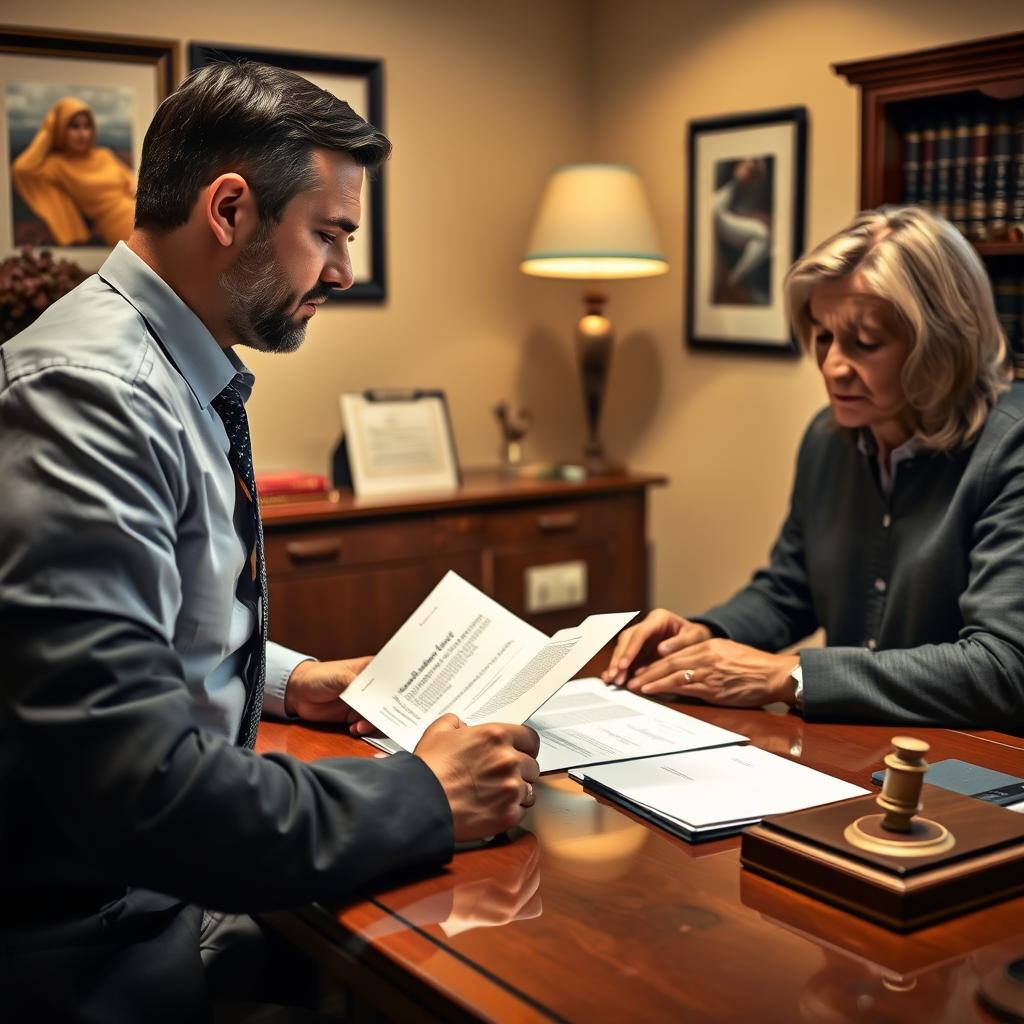
Business Formation Lawyer York County
Choosing the right business structure is one of the most consequential decisions an entrepreneur can make. In York County, Virginia, forming an LLC, corporation, or partnership requires careful compliance with the Virginia Stock Corporation Act, the Virginia LLC Act, and regulations administered by the Virginia State Corporation Commission. Whether you are launching a Yorktown retail business, a tech consultancy in Grafton, or a service company based in Tabb or Seaford, the initial formation steps set the foundation for liability protection, tax treatment, and long‑term governance. Law Offices Of SRIS, P.C. has assisted business owners in York County with entity selection, filing, and governing documents since 1997. The firm’s Richmond location represents clients throughout the Ninth Judicial District, including matters that may later involve the York County Circuit Court for contract or ownership disputes. Reach our firm at (888) 437‑7747 to schedule a consultation about your business formation needs. Law Offices Of SRIS, P.C. — Advocacy Without Borders.
What Business Formation Means in York County, Virginia
Business formation in York County is governed primarily by state law, not by county ordinance. The Virginia State Corporation Commission registers domestic and foreign business entities, issues certificates of good standing, and oversees annual registration filings. The choice of entity — limited liability company, corporation (stock or non‑stock), general or limited partnership, or registered limited liability partnership — directly affects an owner’s personal exposure to business debts, the availability of certain tax elections, and the formalities required for governance. Virginia’s LLC Act (Va. Code Ann. § 13.1‑1000 et seq.) and Stock Corporation Act (Va. Code Ann. § 13.1‑601 et seq.) set forth detailed rules on filing, recordkeeping, fiduciary duties, and the rights of members or shareholders. An experienced business formation lawyer helps entrepreneurs analyze how each statute applies to their particular industry and ownership structure.
Although business formation is administrative, local context still matters. The York County Circuit Court, located at 300 Ballard Street in Yorktown, is the court of general jurisdiction where business disputes — such as claims for breach of fiduciary duty, shareholder oppression, or contested ownership — would be adjudicated. Even for routine formations, understanding the local judicial environment can inform prudent drafting of operating agreements and buy‑sell provisions. Law Offices Of SRIS, P.C. has familiarity with the Ninth Judicial District and regularly advises clients on structuring provisions that anticipate potential litigation in York County courts. The firm’s Richmond location is positioned to serve entrepreneurs throughout the Historic Triangle, including James City County and the City of Williamsburg.
How Mr. Sris and His Of Counsel Handle Business Formation Cases
When a client approaches the firm about forming a new entity, the first step is a thorough discussion of the business’s objectives, ownership group, capital structure, and long‑term exit strategy. Mr. Sris and his Of Counsel team then prepare a recommendation that weighs the liability shield of a limited liability company against the capitalization and governance features of a corporation, and they draft the articles of organization or incorporation with precision. The firm handles the State Corporation Commission filing process, obtains the employer identification number, and prepares the foundational governing documents — operating agreements for LLCs, bylaws for corporations, and partnership agreements where needed. Because Virginia’s default statutory rules can shift power and economic rights in ways many founders do not intend, custom drafting is essential.
The process does not stop at formation. Mr. Sris and his Of Counsel also advise on member‑control provisions, voting rights, restrictions on transfer, buyout valuation methodologies, and compulsory buy‑sell events. They address situational due diligence, such as confirming that the entity will be a manager‑managed or member‑managed structure, and they flag ongoing compliance requirements like annual reports and registered‑agent representation. For multi‑member or multi‑investor ventures in York County, the firm often recommends a shareholders’ agreement or a detailed LLC operating agreement that resolves deadlock, exit, and dissolution scenarios before they arise. This proactive approach helps position the business for stability and reduces the risk of future litigation in the local circuit court.
About Mr. Sris and His Of Counsel Team
Mr. Sris, Owner and Founder of Law Offices Of SRIS, P.C., has been practicing law since 1997 and is admitted in Virginia, Maryland, the District of Columbia, New Jersey, and New York. A former prosecutor, Mr. Sris brings the analytical discipline and courtroom experience gained from criminal trial work to his business practice. He has also testified before the Virginia House Courts of Justice Committee in support of 2019 HB 635 (chief patron Del. David Bulova). His Of Counsel team includes attorneys with substantial Virginia corporate and transactional experience. Collectively, Mr. Sris and his Of Counsel bring over 120 years of combined legal experience, and the firm has achieved over 4,739 documented results. Results may vary.
The firm’s business formation guidance is grounded in a practical understanding of the Virginia Stock Corporation Act, the Virginia LLC Act, and the Revised Uniform Partnership Act. The Of Counsel attorneys who contribute to this practice area are well‑versed in the operational and strategic considerations of small and mid‑sized enterprises. Clients working with the firm benefit from a collaborative approach: legal analysis is paired with business‑minded advice about governance, risk allocation, and future flexibility. Every formation matter receives careful attention to detail, and clients are encouraged to raise questions early so that the resulting entity structure aligns with their goals rather than with generic statutory defaults.
Frequently Asked Questions
Do I need a lawyer to start a business in York County?
While it is legally possible to file formation documents with the Virginia State Corporation Commission without counsel, the process carries significant risks. A business lawyer ensures proper entity selection, verifies that the articles of organization or incorporation are correctly drafted, and prepares governing documents that protect personal assets through a proper corporate or LLC structure. Without an operating agreement or well‑drafted bylaws, the default rules of the Virginia LLC Act or Stock Corporation Act may apply in ways that the founders never intended. An attorney also helps anticipate issues like member disputes, buy‑sell triggers, and tax elections before they become costly problems.
What is the difference between an LLC and a corporation in Virginia?
An LLC offers flexible management and pass‑through taxation, while requiring fewer formalities than a corporation. A stock corporation has a more rigid three‑tier governance structure — shareholders, directors, and officers — and may be taxed separately unless an S‑corporation election is made. The liability shield for owners is similar under both forms, but the mechanisms for transferring ownership interests, raising capital, and allocating profits differ substantially. The trusted choice depends on the business’s size, investor needs, and long‑term plans. A consultation with an experienced business lawyer can clarify which entity best fits your specific situation.
How does the State Corporation Commission formation process work for a York County business?
The Virginia State Corporation Commission reviews and approves articles of organization (LLC) or articles of incorporation (corporation). The filing is typically submitted online, and once approved, the SCC issues a certificate of good standing. The entity must then obtain a federal employer identification number from the IRS and may need to register locally for business‑license purposes in York County. A lawyer can manage the entire process, confirm that the name complies with SCC availability rules, and ensure that the registered office and registered agent are properly designated. The timeline depends on the SCC’s current processing volume and the complexity of the filing.
Do I need an operating agreement for a single‑member LLC?
Yes. Even a single‑member LLC benefits from a written operating agreement because it can rebut presumptions about ownership, management, and the separateness of the entity from its owner. In Virginia, an operating agreement can override many default statutory provisions and is especially important if the business ever borrows money or later brings on additional members. It also strengthens the liability shield by demonstrating that the LLC is a distinct legal entity. Without one, a sole proprietor runs a greater risk that a court could disregard the LLC form in a personal‑liability dispute.
What ongoing compliance requirements apply to a Virginia business?
All Virginia business entities must file an annual registration with the State Corporation Commission and pay the applicable fee. LLCs, corporations, and partnerships must keep their registered‑office and registered‑agent information current and maintain accurate corporate records. Failure to file the annual report or pay the fee can lead to administrative dissolution or revocation of authority to transact business, a result that can expose owners to personal liability for obligations incurred after the dissolution. A lawyer can help establish a compliance calendar and remind clients of upcoming deadlines so that the entity remains in good standing.
Related Business Law Locations
Business Law Lawyer James City County |
Business Law Lawyer Williamsburg |
Business Law Lawyer Fairfax County
Attorney advertising. Prior results do not guarantee a similar outcome.
Case results depend on a variety of factors unique to each case.