
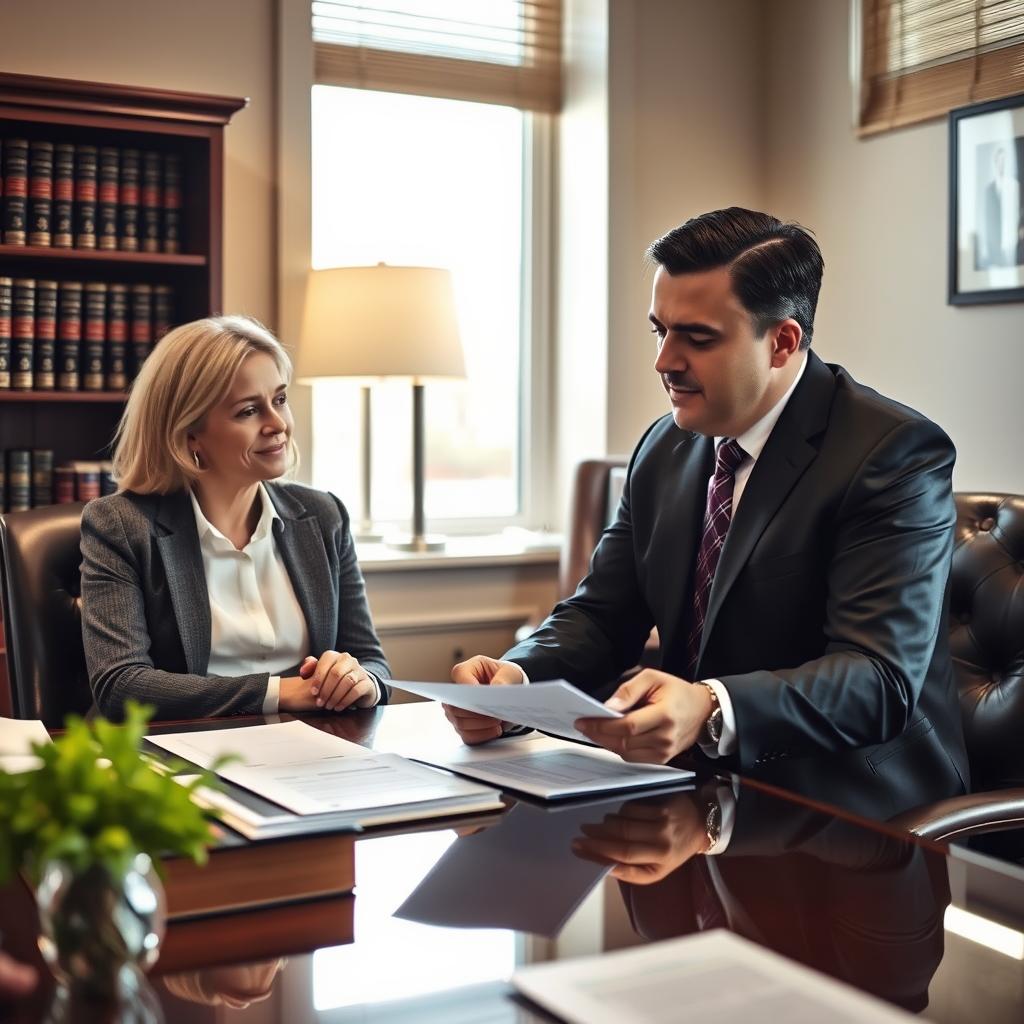
Capitol Hill Charitable Trust Lawyer — How Can You Structure Your Philanthropic Legacy?
Establishing a charitable trust in Washington, D.C., requires handling specific District statutes and tax codes to ensure your philanthropic goals are met efficiently. A Charitable Trust Lawyer in Capitol Hill from Law Offices Of SRIS, P.C. can guide you through creating a Charitable Remainder Trust, Charitable Lead Trust, or private foundation, ensuring compliance with D.C. Code and IRS regulations while maximizing your intended impact.
Understanding Charitable Trusts Under D.C. Law
In the District of Columbia, a charitable trust is a fiduciary arrangement where assets are irrevocably transferred to a trust for a charitable purpose. The trust is governed by the D.C. Code Title 19 (Trusts) and must adhere to the D.C. Uniform Prudent Management of Institutional Funds Act (UPMIFA) for investment and management. The primary purpose is to provide a benefit to the public or a specific charitable class, which can qualify the trust for significant federal and local tax advantages, including income, gift, and estate tax deductions.
Last verified: March 2026 | District of Columbia Superior Court, Probate Division | D.C. Council Code
Key Government Resources for Trust Planning
When planning a charitable trust, it is essential to reference official government resources. The D.C. Code Title 19 outlines the statutory framework for creating and administering trusts in the District. For probate and fiduciary oversight, the D.C. Courts Probate Division provides forms and procedures. A Charitable Trust Lawyer in Capitol Hill uses these resources to ensure your documents are legally sound and properly filed.
Insider Procedural Edge for Capitol Hill Philanthropists
Establishing a charitable trust in D.C. involves more than drafting documents; it requires strategic alignment with your financial and philanthropic vision. The process must account for the District’s specific rules on trustee duties and charitable asset management. A philanthropic trust planning lawyer in Capitol Hill can identify the most efficient structure—whether a Charitable Remainder Annuity Trust (CRAT), Charitable Lead Trust (CLT), or a supporting organization—to meet your goals while handling the procedural requirements of the D.C. Superior Court’s Probate Division.
- Define Your Philanthropic Goals: Clarify the charitable purpose, beneficiaries, and desired timeline for distributions.
- Select the Trust Structure: Choose between a Charitable Remainder Trust (providing income to non-charitable beneficiaries first) or a Charitable Lead Trust (providing income to charity first).
- Draft the Trust Instrument: The document must specify the charitable purpose, trustee powers, and compliance with D.C. Code § 19-1304 (Prudent Investor Rule).
- Secure an IRS Determination Letter: File Form 1023 or 1023-EZ for tax-exempt status, a critical step for deductibility.
- Fund the Trust and Execute: Transfer titled assets (real estate, securities) into the trust’s name.
- Administer and File Reports: Manage trust investments prudently and file required annual reports (Form 990) with the IRS and D.C. OAG.
Potential Challenges in Charitable Trust Administration
In Capitol Hill, administering a charitable trust involves ongoing fiduciary duties, complex tax filings, and potential for disputes among trustees or beneficiaries if the charitable purpose is unclear.
While not penalties in a criminal sense, failures in administration can lead to significant legal and financial consequences:
| Administrative Issue | Potential Consequence | Governing Authority |
|---|---|---|
| Failure to File Annual Reports (Form 990) | IRS penalties of $20/day, up to $10,000; loss of tax-exempt status. | Internal Revenue Code § 6652(c) |
| Violation of Prudent Investor Rule | Personal liability for trustees for losses; removal by the court. | D.C. Code § 19-1304 |
| Private Inurement (Benefit to Insiders) | Excise taxes on disqualified persons; revocation of exempt status. | IRC § 4958 |
| Cy Pres Doctrine Application | If original purpose becomes impossible, court may redirect funds. | D.C. Code § 19-1304.13 |
Results may vary. Prior results do not aim for a similar outcome.
Why Choose Our Capitol Hill Trust Planning Practice
Law Offices Of SRIS, P.C., founded in 1997, brings over 120 years of combined legal experience to complex estate and trust matters. Our firm’s philosophy, “Advocacy Without Borders,” is reflected in our detailed approach to charitable giving trust lawyer services in Capitol Hill. We focus on creating legally sound structures that faithfully execute your philanthropic intent while protecting your legacy from unnecessary tax erosion and administrative challenges.
Documented Experience in Trust and Estate Law
Our attorneys have extensive experience handling the probate courts and fiduciary laws of Washington, D.C. We have successfully assisted clients in establishing various charitable vehicles, from simple donor-advised fund agreements to complex private foundations and charitable remainder trusts. This experience allows us to anticipate potential issues with the D.C. Office of the Attorney General or the IRS and structure plans accordingly.
Results may vary. Prior results do not aim for a similar outcome.
Local Presence for Capitol Hill Clients
Our firm is positioned to serve clients throughout the Capitol Hill area. We understand the local legal field and are accessible for meetings to discuss your charitable giving trust lawyer needs. We serve individuals and families in Capitol Hill and surrounding D.C. neighborhoods.
Law Offices Of SRIS, P.C.
By appointment only.
24/7 phone consultations — (888) 437-7747 — meetings by appointment only.
Frequently Asked Questions: Charitable Trusts in Capitol Hill
What is the main benefit of creating a charitable trust in D.C.?
Yes. The primary benefit is a combination of fulfilling philanthropic goals and receiving significant tax advantages. You can claim an immediate income tax deduction for the present value of the charitable remainder, and assets transferred into the trust are removed from your taxable estate, potentially reducing estate taxes.
Can I receive income from a charitable trust?
It depends on the type of trust. A Charitable Remainder Trust (CRT) provides an income stream to you or other non-charitable beneficiaries for a term of years or life, after which the remainder goes to charity. A Charitable Lead Trust (CLT) works in reverse, paying income to charity first, with the remainder eventually passing to your heirs.
What is the difference between a private foundation and a charitable trust?
A private foundation is a distinct non-profit corporate entity, while a charitable trust is a fiduciary relationship. Foundations offer more control over charitable activities and grantmaking but have stricter excise tax rules and higher administrative costs. Trusts are generally simpler and more flexible for specific, defined charitable purposes.
Do I need to register my charitable trust with the District of Columbia?
Yes, if the trust will be soliciting contributions from the public in D.C., it must register with the D.C. Office of the Attorney General, Charitable Organizations Section. Even without public solicitation, certain trusts may need to file informational returns. A philanthropic trust planning lawyer in Capitol Hill can handle this compliance.
How does a Charitable Trust Lawyer in Capitol Hill help with IRS approval?
A lawyer prepares the detailed trust instrument and files the application for tax-exempt status (Form 1023 or 1024) with the IRS. They ensure the language meets IRS requirements for charitable purpose, prohibited activities, and dissolution clauses, which is critical for securing the favorable determination letter that allows for tax deductions.
Related Practice Areas: For other estate planning needs, consider our Washington D.C. Estate Planning Lawyer services. For broader D.C. coverage, see our District of Columbia Trust & Estate Lawyer hub.
Page last verified and updated: April 2026. Laws and procedures change. Contact Law Offices Of SRIS, P.C. at (888) 437-7747 for current guidance regarding your specific situation.