
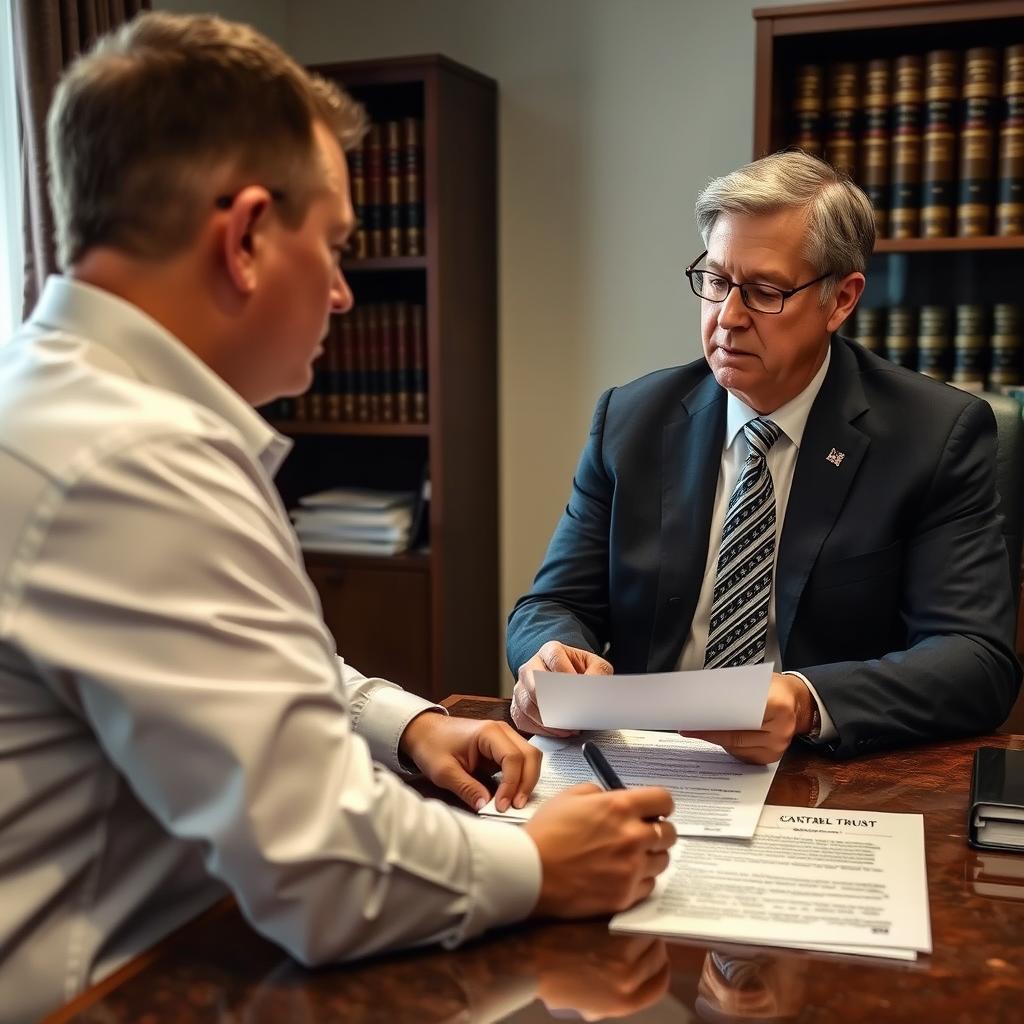
Fluvanna County Charitable Trust Lawyer — How Can You Structure Your Philanthropic Giving?
Establishing a charitable trust in Fluvanna County requires careful planning under Virginia law to ensure your philanthropic goals are met and tax benefits are secured. A Charitable Trust Lawyer Fluvanna County from the Law Offices Of SRIS, P.C. can guide you through creating a trust that supports your chosen causes while providing for your family.
Understanding Charitable Trusts in Virginia
Charitable trusts are legal arrangements that allow you to donate assets to a charitable organization while potentially providing an income stream for yourself or other beneficiaries. Virginia law, including statutes like those found in Title 55.1 of the Virginia Code, governs the creation and administration of these trusts. The specific structure—such as a Charitable Remainder Trust (CRT) or Charitable Lead Trust (CLT)—determines when the charity receives the assets and what benefits you retain.
Last verified: April 2026 | Fluvanna County Circuit Court | Virginia General Assembly
Official Resources for Virginia Trust Law
For authoritative information, refer to the official state statutes and local court resources. The Virginia Law portal provides the full text of the Virginia Code. For local procedures, the Fluvanna County Circuit Court website offers forms and filing information relevant to trust administration.
The Process of Establishing a Charitable Trust in Fluvanna County
Creating a charitable trust involves several key legal and financial steps. A philanthropic trust planning lawyer Fluvanna County can provide crucial insight into local court practices and how to align your trust with both state law and your personal objectives. The process is designed to ensure your charitable intent is carried out precisely.
- Define Your Philanthropic Goals: Identify the charitable causes you wish to support and the assets you plan to contribute.
- Choose the Trust Structure: Decide between a Charitable Remainder Trust (providing income to you first) or a Charitable Lead Trust (providing income to charity first).
- Draft the Trust Document: Work with an attorney to prepare a legally binding trust agreement that specifies terms, trustees, and beneficiaries.
- Fund the Trust: Transfer the designated assets (cash, securities, real estate) into the trust’s name.
- File for Tax Identification: Obtain an Employer Identification Number (EIN) for the trust from the IRS.
- Administer and Report: The trustee manages the assets, makes distributions, and files required annual tax returns.
Why Choose Our Firm for Your Charitable Giving Plan
Founded in 1997 by former prosecutor Mr. Sris, the Law Offices Of SRIS, P.C. brings over 120 years of combined legal experience to complex estate and trust matters. Our approach to charitable giving trust lawyer Fluvanna County services is rooted in a deep understanding of Virginia law and a commitment to helping clients achieve their philanthropic visions. We focus on creating case-specific plans that reflect your values and provide the intended benefits.
Local Presence for Fluvanna County Residents
Our firm is accessible to clients throughout Fluvanna County. We offer 24/7 phone consultations for your convenience. Meetings are held by appointment only at our designated locations.
Law Offices Of SRIS, P.C.
Toll-Free: (888) 437-7747 | Local: (804) 201-9009
By appointment only.
Frequently Asked Questions: Charitable Trusts in Fluvanna County
What is the main benefit of creating a charitable trust?
Yes. The primary benefits include potential income tax deductions for the charitable gift, reduction of estate taxes, the ability to avoid capital gains tax on appreciated assets donated to the trust, and creating a lasting legacy for causes you care about.
Can I receive income from a charitable trust I create?
Yes, with a Charitable Remainder Trust (CRT). This structure provides you or other named beneficiaries with an income stream for a set period or for life, after which the remaining assets pass to the designated charity.
What is the difference between a private foundation and a charitable trust?
It depends on your goals. A charitable trust is typically simpler and less expensive to establish and administer than a private foundation. Trusts are governed by a single trust agreement, while foundations are separate legal entities requiring corporate formalities and often more complex tax reporting.
Do I need a lawyer to set up a charitable trust in Virginia?
Yes. Due to the complex interplay of state trust law, federal tax regulations, and fiduciary duties, working with a qualified Charitable Trust Lawyer Fluvanna County is essential to ensure the document is valid, your tax benefits are secured, and your intentions are legally protected.
What assets can I use to fund a charitable trust?
You can fund a trust with various assets, including cash, publicly traded securities, real estate, and in some cases, closely held business interests. Highly appreciated assets like stocks or real estate are often ideal because they can bypass capital gains tax when sold by the trust.
For more information on related services, you may also be interested in our Virginia Trust & Estate Lawyer hub page, or explore our local pages for Albemarle County Trust & Estate Lawyer and Fluvanna County Family Lawyer.
Page last verified and updated: April 2026. Laws and procedures can change. For the most current guidance regarding charitable trusts, contact the Law Offices Of SRIS, P.C.
Under Va. Code § 13.1-1000 et seq., state law governs this practice area.