
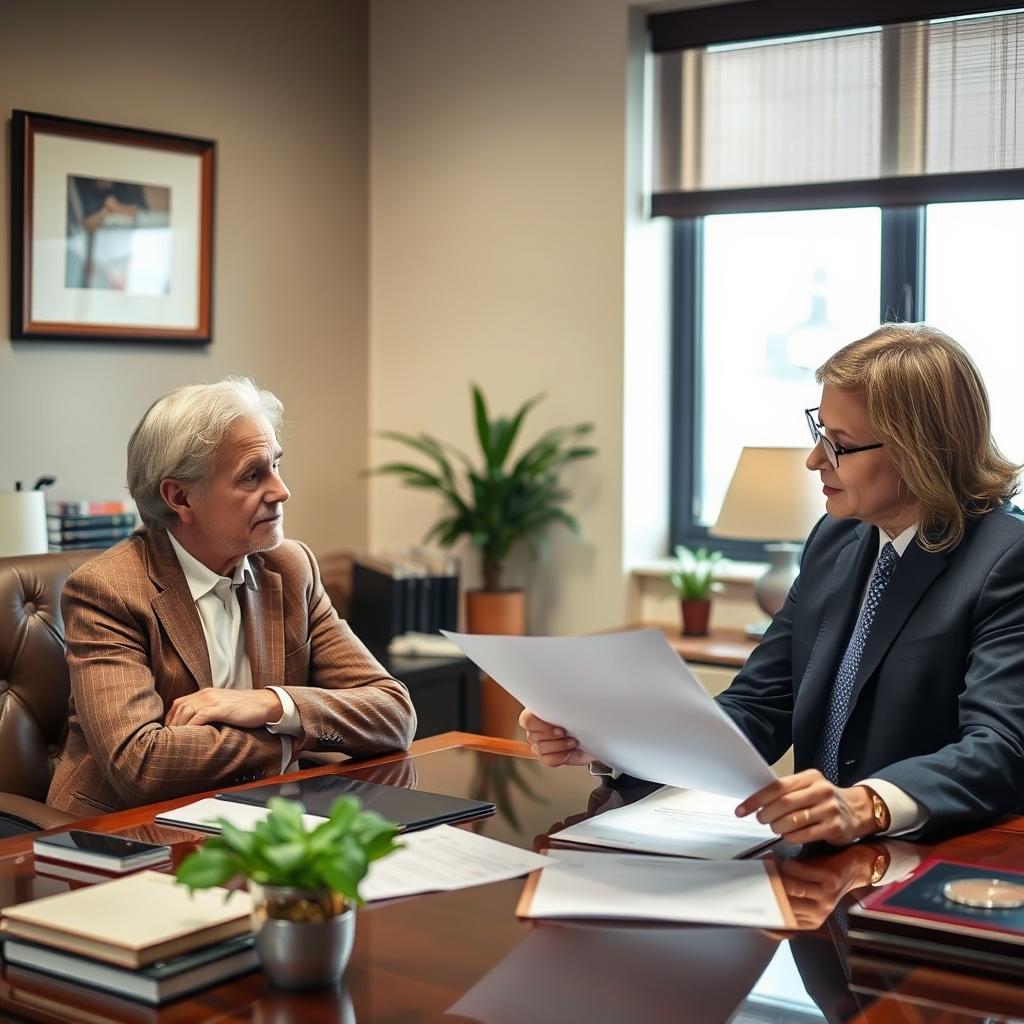
Derivative Action Lawyer Forest Hills — Protecting Your Rights as a Shareholder
A derivative action is a lawsuit brought by a shareholder on behalf of a corporation to address wrongs committed against it, typically by directors or officers. In Forest Hills, handling this complex area of corporate law requires precise legal strategy. Law Offices Of SRIS, P.C. provides focused representation for shareholders considering or defending against a derivative action.
What Is a Derivative Action Under New York Law?
A derivative action is a unique legal proceeding governed by New York Business Corporation Law (BCL) § 626. Unlike a direct lawsuit where a shareholder sues for personal harm, a derivative suit is brought by a shareholder in the name of the corporation to redress injuries to the corporation itself. Common grounds include breach of fiduciary duty by directors or officers, corporate waste, fraud, or self-dealing. The shareholder acts as a nominal plaintiff, and any recovery typically goes to the corporation, not the individual shareholder. This legal mechanism is a critical check on corporate management, ensuring accountability and protecting the interests of all shareholders.
Last verified: April 2026 | Queens County Supreme Court, Commercial Division | New York State Legislature
Official Legal Resources
Understanding the statutory framework is essential. The primary authority is New York Business Corporation Law § 626 (official New York State Senate), which outlines the procedures and requirements for bringing a derivative action, including the demand requirement. For filing procedures in Forest Hills, refer to the Queens County Supreme Court Civil Division website for local rules and forms.
The Local Process for a Derivative Action in Forest Hills
- Consultation & Case Evaluation: We review corporate documents, shareholder agreements, and the facts to assess the strength of a potential derivative claim or defense.
- Making a Demand (or Demonstrating Futility): Before filing suit, a shareholder must typically make a written demand on the corporation’s board to take corrective action, unless such a demand would be futile.
- Filing the Complaint: If the demand is wrongfully refused or ignored, we file a verified complaint in the Queens County Supreme Court, Commercial Division, adhering to the strict pleading standards of BCL § 626.
- handling the Special Litigation Committee: The corporation may form a special committee to investigate the claims. We advocate for your position throughout this independent review process.
- Litigation or Settlement: The case proceeds through discovery and motion practice. Any settlement or discontinuance requires court approval to ensure it is in the best interests of the corporation.
Potential Outcomes and Strategic Goals
In Forest Hills, a successful derivative action can lead to corporate governance reforms, monetary recovery for the company, or the removal of responsible directors, but does not aim for a direct financial payout to the individual shareholder plaintiff.
Results may vary. Prior results do not aim for a similar outcome.
Why Choose Our Firm for Your Corporate Dispute?
Founded in 1997, Law Offices Of SRIS, P.C. brings decades of combined litigation experience to complex business disputes. Our approach is grounded in a deep understanding of corporate structures and shareholder rights. We focus on developing clear, strategic paths forward, whether through aggressive litigation or negotiated resolution, to protect your stake in the company. Our tagline, “Advocacy Without Borders,” reflects our commitment to relentless representation in the courtroom and the boardroom.
Documented Experience in Business Litigation
Our firm has handled numerous high-stakes business disputes across our service areas. While specific case details are confidential, our attorneys have successfully represented shareholders in actions involving allegations of fiduciary duty breaches and corporate mismanagement. Results may vary. Prior results do not aim for a similar outcome.
Contact Our Forest Hills Derivative Action Lawyer
Our firm is positioned to serve clients in Forest Hills and throughout Queens County. We offer 24/7 phone consultations for urgent corporate legal matters.
Law Offices Of SRIS, P.C.
By appointment only.
Toll-Free: (888) 437-7747
24/7 phone consultations — meetings by appointment only.
We represent shareholders and corporations in Forest Hills, Kew Gardens, Rego Park, and surrounding Queens communities.
Frequently Asked Questions: Derivative Actions
What is the difference between a direct and a derivative action?
It depends on who was harmed. A direct action is for a wrong against you personally as a shareholder (e.g., denial of voting rights). A derivative action is for a wrong against the corporation itself (e.g., director fraud harming the company’s value), and you sue on the company’s behalf.
Can I be fired for filing a derivative action?
No, New York law provides protections against retaliation for shareholders who bring derivative actions in good faith. However, the procedural and substantive requirements are strict, which is why guidance from a derivative action lawyer Washington near me Forest Hills is critical from the outset.
What are the costs involved in a derivative action?
Costs include court fees, discovery expenses, and attorney fees. If the action is successful, the court may order the corporation to pay your reasonable attorney fees. We discuss fee structures transparently during your initial consultation as an affordable derivative action lawyer Washington Forest Hills.
How long does a derivative lawsuit take?
These are complex cases. From the initial demand through potential trial, a derivative action can take one to three years or more, depending on the court’s docket, the complexity of the issues, and whether a settlement is reached.
What is a “special litigation committee”?
It is a committee of independent directors (or sometimes outside experts) formed by the corporation to investigate the shareholder’s allegations. The committee’s recommendation to continue or dismiss the lawsuit carries significant weight with the court.
Attorney advertising. Prior results do not aim for a similar outcome.