
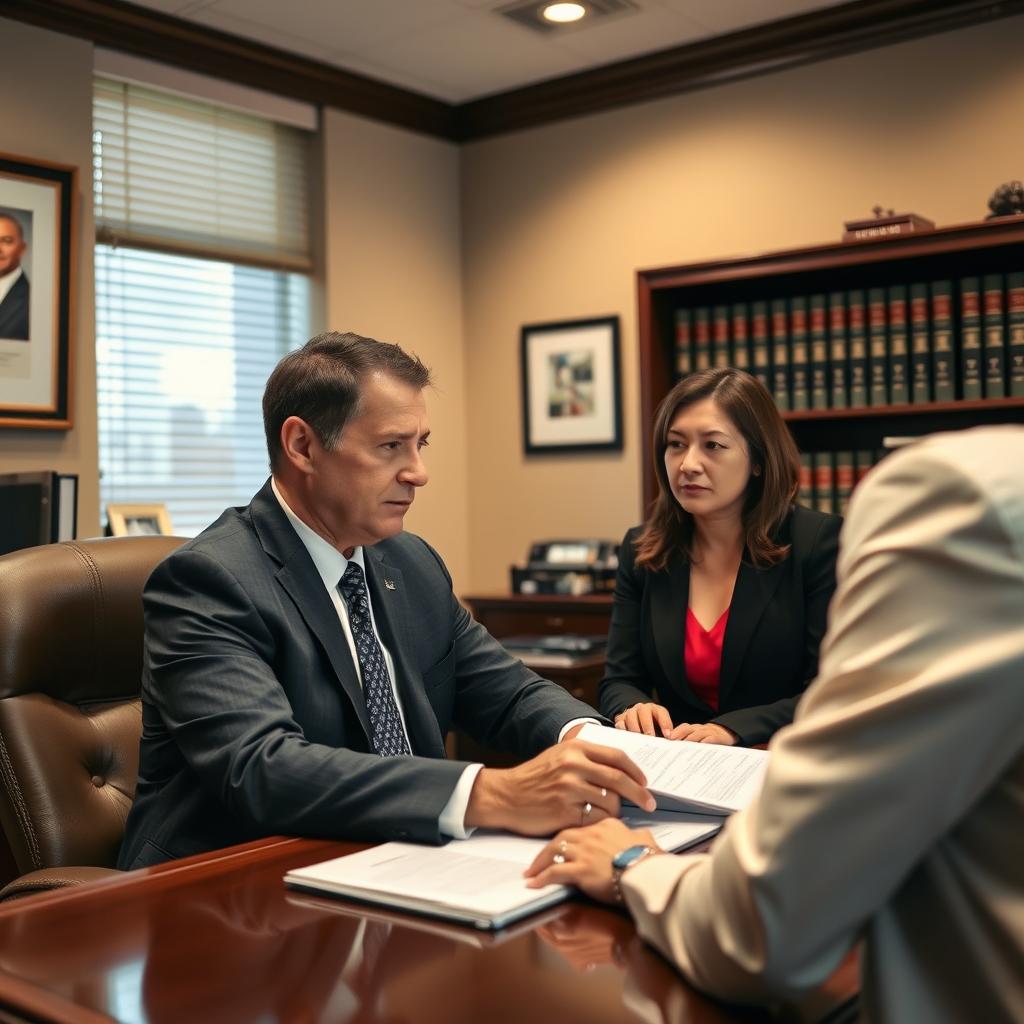
Destruction or Falsification of Records Lawyer in Henrico County, VA
Federal charges for the destruction or falsification of records in Henrico County are prosecuted under statutes like 18 U.S.C. § 1519, carrying severe penalties including lengthy prison terms. Law Offices Of SRIS, P.C. provides defense for individuals and businesses facing these complex federal investigations. Our team, led by former prosecutor Mr.
Federal Law on Destruction or Falsification of Records
The federal crime of destruction or falsification of records is primarily defined under 18 U.S.C. § 1519. This statute makes it a felony to knowingly alter, destroy, mutilate, conceal, cover up, falsify, or make a false entry in any record, document, or tangible object with the intent to impede, obstruct, or influence the investigation or proper administration of any matter within the jurisdiction of any department or agency of the United States. The law is broad and can apply to a wide range of records, from financial documents to emails.
Last verified: April 2026 | Federal District Court for the Eastern District of Virginia | 18 U.S.C. § 1519
Federal Legal Citations and Resources
Understanding the specific statutes and the court process is critical. The primary statute is 18 U.S.C. § 1519 (Destruction, alteration, or falsification of records in Federal investigations and bankruptcy). Related charges may fall under § 1503 (obstruction of justice) or § 1001 (false statements). For Henrico County residents, federal cases are typically heard in the U.S. District Court for the Eastern District of Virginia (Richmond Division).
Local Federal Defense Strategy in Henrico County
Federal investigations into document destruction or evidence tampering in Henrico County often involve agencies like the FBI, SEC, or IRS. These investigations are methodical and can begin long before any charges are filed. An early defense strategy is vital. In the Eastern District of Virginia, known for its fast-paced “Rocket Docket,” prosecutors move quickly, making timely legal counsel essential.
- Initial Investigation & Grand Jury: Federal agents may execute search warrants or issue subpoenas for records. A grand jury may be convened to determine if there is probable cause for an indictment.
- Indictment & Arraignment: If indicted, you will be formally charged and arraigned in U.S. District Court, where you enter a plea.
- Discovery & Pre-Trial Motions: Your attorney will review all evidence (discovery) and may file motions to suppress evidence or dismiss charges based on procedural errors.
- Plea Negotiations or Trial: Most federal cases are resolved through plea agreements. If no agreement is reached, the case proceeds to a jury trial.
- Sentencing: If convicted, sentencing follows federal guidelines, which can be severe for obstruction crimes.
Potential Penalties for Federal Record Crimes
In federal court, a conviction for destruction or falsification of records under 18 U.S.C. § 1519 carries a penalty of up to 20 years in federal prison, fines, and potential restitution.
| Offense (U.S. Code) | Classification | Incarceration | Fine | Additional Consequences |
|---|---|---|---|---|
| Destruction/Alteration of Records (18 U.S.C. § 1519) | Felony | Up to 20 years | As set by the court | Supervised release, permanent felony record, loss of professional licenses. |
| Obstruction of Justice (18 U.S.C. § 1503) | Felony | Up to 10 years | As set by the court | Similar collateral consequences as § 1519. |
| False Statements (18 U.S.C. § 1001) | Felony | Up to 5 years | As set by the court | Often charged alongside document crimes. |
Results may vary. Prior results do not aim for a similar outcome.
Our Experience in Federal Criminal Defense
Law Offices Of SRIS, P.C. was founded in 1997 by former prosecutor Mr. Sris. Our firm brings a combined 120+ years of legal experience to every case. We approach federal charges with a deep understanding of both prosecution tactics and defense strategies. Mr. Sris, with his background in accounting and information systems, is particularly adept at handling complex, document-intensive federal cases like those involving allegations of evidence tampering or document destruction charge lawyer Henrico County needs.
Commitment to Client Defense
Our approach is collaborative and thorough. For federal cases, this often involves working with forensic experts, reviewing vast electronic discovery, and building a narrative that counters the government’s claim of criminal intent. We prepare every case as if it will go to trial, which strengthens our position in negotiations.
Contact Our Henrico County Federal Defense Lawyers
Law Offices Of SRIS, P.C.
Richmond Location — 7400 Beaufont Springs Dr, Suite 300, Rm 395, Richmond, VA 23225
Toll-Free: (888) 437-7747 | Local: (804) 477-1723
By appointment only.
Our Richmond location serves clients in Henrico County and is accessible via I-64, I-95, and I-295. We provide federal criminal defense lawyer services near Henrico County, Glen Allen, and Short Pump. 24/7 phone consultations — meetings by appointment only.
FAQs: Federal Destruction or Falsification of Records Charges
What is 18 U.S.C. § 1519?
Yes. 18 U.S.C. § 1519 is the primary federal statute criminalizing the knowing destruction, alteration, or falsification of records to obstruct a federal investigation or matter. Passed as part of the Sarbanes-Oxley Act, it carries penalties of up to 20 years in prison.
What is the difference between a document destruction charge and evidence tampering?
It depends on the specific statute charged. A document destruction charge lawyer Henrico County residents might consult often deals with 18 U.S.C. § 1519, which is specifically about records. Evidence tampering defense lawyer Henrico County strategies may address broader statutes like § 1503 (obstruction) or § 1512 (witness tampering), which can involve physical evidence or witness testimony, not just documents.
Can I be charged if I didn’t know a federal investigation was underway?
No, not under § 1519. A key element the government must prove is that you acted with the intent to obstruct an existing or contemplated federal matter. If you had no knowledge of a federal investigation, proving intent becomes significantly more difficult for the prosecution.
What should I do if I am contacted by federal agents about records?
Politely decline to answer questions and state you wish to speak with an attorney. Do not provide any documents or make statements. Contact a federal defense lawyer immediately. Anything you say can be used against you, and agents are under no obligation to inform you of your status as a target.
Are there defenses to destruction of records charges?
Yes. Common defenses include lack of intent to obstruct, absence of a pending federal matter, accidental deletion or alteration, or challenging the authenticity of the government’s evidence. An experienced attorney will analyze the specifics of your case to identify the strongest defense strategy.
Related Legal Resources
If you are facing federal charges for destruction or falsification of records, it is a serious matter. For related defense services in Virginia, you may also need a Virginia Federal Criminal Defense Lawyer. For charges originating in other local jurisdictions, see our pages for Chesterfield County Federal Criminal Lawyer or Hanover County Federal Criminal Lawyer. For other legal needs in Henrico County, consider a Henrico County Business Lawyer or Henrico County DUI Lawyer.
Last verified: April 2026. The information on this page is for general informational purposes and does not constitute legal advice. Laws change. Contact Law Offices Of SRIS, P.C. at (888) 437-7747 for current legal guidance regarding your specific situation.