
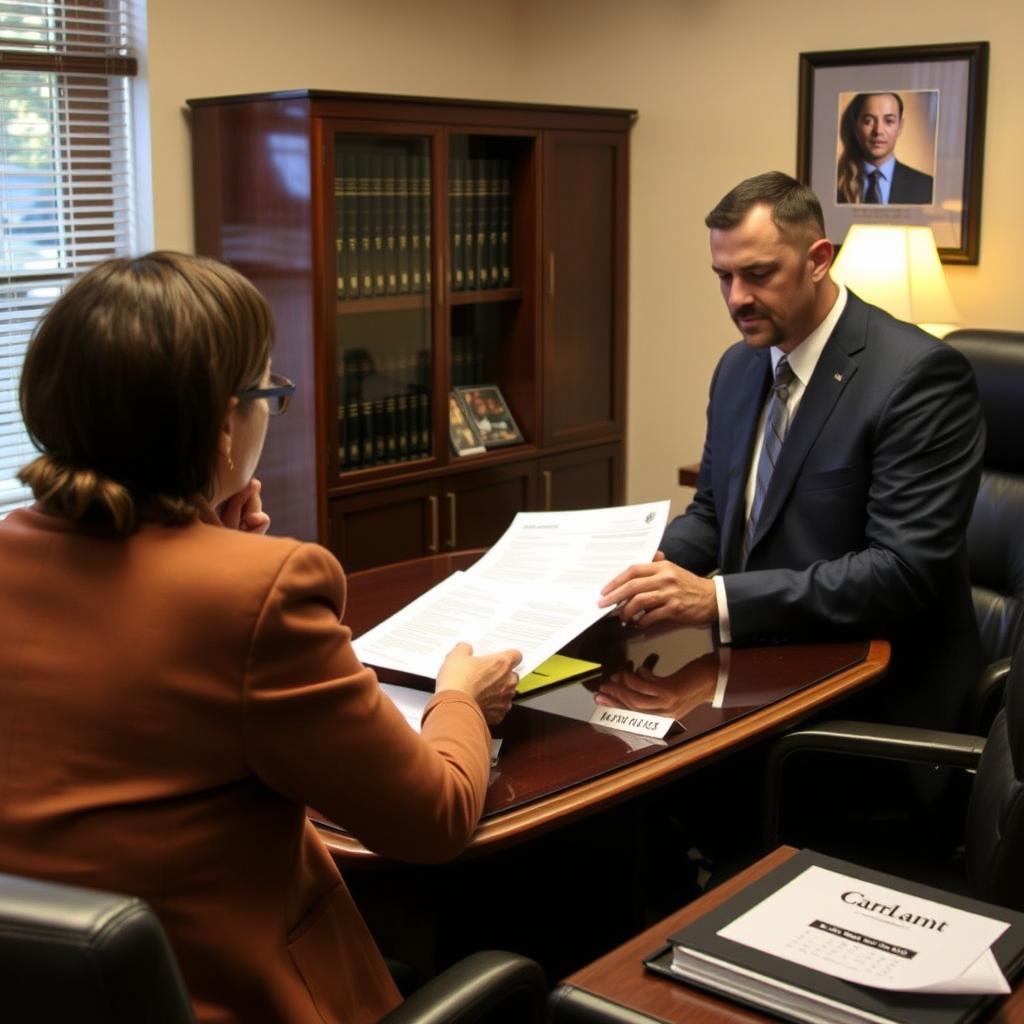
False Statements to a Federal Agent Lawyer Arlington County — What Are Your Defenses?
Making false statements to a federal agent under 18 USC § 1001 is a serious federal felony prosecuted in the U.S. District Court for the Eastern District of Virginia, Alexandria Division, which handles Arlington County cases. A conviction can result in up to 5 years in prison and a $250,000 fine per count. The Law Offices Of SRIS, P.C.
Understanding the Federal Statute: 18 U.S.C. § 1001
The federal crime of making false statements is codified under 18 U.S.C. § 1001. This statute makes it illegal to knowingly and willfully falsify, conceal, or cover up a material fact, or make any materially false, fictitious, or fraudulent statement or representation in any matter within the jurisdiction of the executive, legislative, or judicial branch of the United States government. This covers statements made to FBI, DEA, ATF, Homeland Security, and other federal agents during investigations.
Last verified: April 2026 | U.S. District Court for the Eastern District of Virginia | U.S. Code
External Legal Resources
For the official text of the federal statute, see 18 U.S.C. § 1001. For local court rules and procedures, visit the U.S. District Court for the Eastern District of Virginia website.
Local Federal Court Procedure in Arlington County
All federal charges for false statements in Arlington County are prosecuted in the U.S. District Court for the Eastern District of Virginia (Alexandria Division). This court is known for its fast-paced “Rocket Docket,” meaning cases move swiftly from indictment to resolution. Federal prosecutors from the U.S. Attorney’s Office for the Eastern District of Virginia handle these cases aggressively. Early intervention by a lying to federal agent defense lawyer Arlington County is critical to challenge the government’s evidence before formal charges are filed.
- Initial Contact & Investigation: A federal agent may contact you for an interview, often presenting it as informal or voluntary.
- Grand Jury Indictment or Information: The U.S. Attorney presents evidence to a federal grand jury, which issues an indictment. Alternatively, they may file an “Information” to charge you.
- Arraignment & Initial Appearance: You appear before a U.S. Magistrate Judge in Alexandria, are informed of the charges, and enter a plea.
- Pre-Trial Motions & Discovery: Your attorney files motions to suppress evidence or dismiss charges and reviews all discovery from the prosecution.
- Plea Negotiations or Trial: Most federal cases end in a plea agreement. If no agreement is reached, the case proceeds to a jury trial before a U.S. District Judge.
- Sentencing: If convicted, sentencing follows federal guidelines, which are advisory but heavily influential.
Potential Penalties for a 18 USC 1001 Conviction
In the federal system, a conviction for making false statements under 18 U.S.C. § 1001 carries a maximum penalty of 5 years in federal prison and a fine of up to $250,000 per count.
| Offense | Classification | Incarceration | Fine | Collateral Consequences |
|---|---|---|---|---|
| False Statement (18 U.S.C. § 1001) | Federal Felony | Up to 5 years | Up to $250,000 | Loss of federal benefits, professional licenses, permanent criminal record, immigration consequences (deportation, inadmissibility). |
Results may vary. Prior results do not aim for a similar outcome.
Our Experience in Federal Defense
Founded in 1997, the Law Offices Of SRIS, P.C. brings a focused approach to federal criminal defense. Our firm’s experience spans the unique procedures of federal courts. We understand that a charge for false statements often arises from a broader investigation, and we work to contain the situation and protect your rights from the initial interview through trial.
Case Results & Client Advocacy
Our attorneys have successfully defended clients against federal allegations by challenging the materiality of statements, arguing lack of willful intent, and filing pre-trial motions to suppress evidence. In one case, we secured a dismissal of a 18 USC 1001 charge before indictment by demonstrating our client’s statement was not materially false. Kristen Fisher, a former Maryland Assistant State’s Attorney with extensive trial experience, contributes a prosecutor’s insight to building a strong defense strategy.
Results may vary. Prior results do not aim for a similar outcome.
Federal Defense Lawyer Near Arlington County
Our legal team is positioned to defend clients in the U.S. District Court in Alexandria. We serve individuals throughout Northern Virginia, including Arlington, Alexandria, and Fairfax. If you are under investigation or charged with making false statements to a federal agent, immediate legal counsel is essential.
Availability: 24/7 phone consultations — Toll-Free: (888) 437-7747 | Local: 703-589-9250 — meetings by appointment only.
Law Offices Of SRIS, P.C.
Arlington, VA
By appointment only.
Frequently Asked Questions (False Statements to a Federal Agent)
Is lying to a federal agent always a felony?
Yes. Under 18 U.S.C. § 1001, making a materially false statement to a federal agent is a federal felony, punishable by up to 5 years in prison per count, regardless of whether the underlying investigation was for a felony or misdemeanor.
What does “materially false” mean in a 18 USC 1001 charge?
It depends. A statement is “material” if it has a natural tendency to influence, or is capable of influencing, a federal agency’s decision or function. The falsehood does not need to actually influence the outcome; its potential to do so is enough for prosecutors to file a 18 USC 1001 charge lawyer Arlington County would challenge.
Can I be charged if I didn’t know I was talking to a federal agent?
Potentially, yes. The government must prove you knew you were making a statement to a federal agency, but they do not need to prove you knew the specific identity of the agent. If a reasonable person would understand they were dealing with a federal authority, the charge may stand.
What are common defenses to a false statements charge?
Common defenses include lack of intent (the statement was a mistake or misunderstanding), immateriality (the falsehood was trivial), vagueness of the question, or that the statement was not made within federal jurisdiction. An experienced false statements to a federal agent lawyer Arlington County can evaluate which defense applies.
Should I talk to federal agents without a lawyer?
No. You have the right to remain silent and the right to an attorney. Politely decline to answer questions and state you wish to speak with your lawyer first. Anything you say can be used to construct a false statement charge, even if you are trying to be useful.