
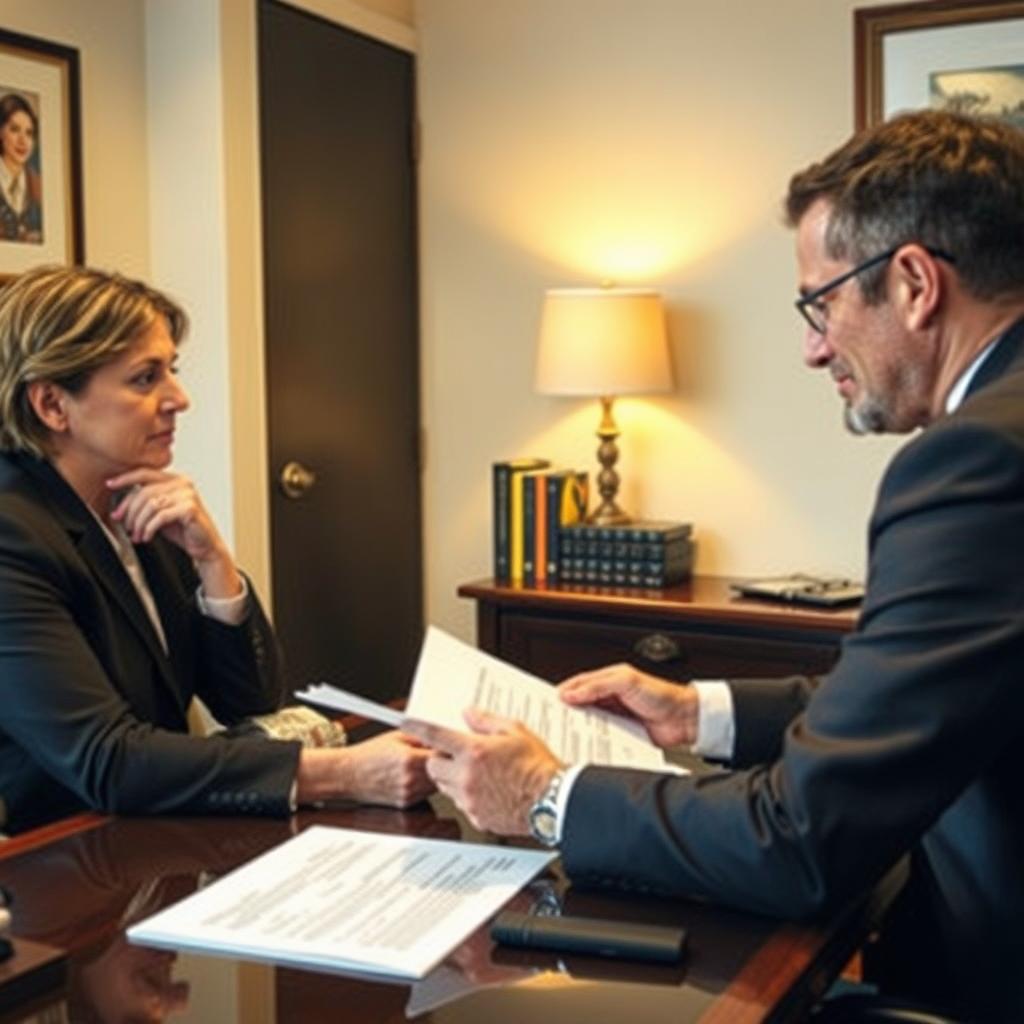
Dupont Circle Family Reunification Lawyer — How Can We Help Reunite Your Family?
Family reunification is a primary goal of U.S. immigration law, allowing U.S. citizens and lawful permanent residents to sponsor certain family members for green cards. The process, centered on the I-130 Petition for Alien Relative, involves handling USCIS and often the Department of State. A single error can cause significant delays or a denial.
Understanding Family Reunification Law
The foundation of family-based immigration is the Immigration and Nationality Act (INA). The process begins when a qualifying U.S. citizen or lawful permanent resident (LPR) files Form I-130, Petition for Alien Relative, with U.S. Citizenship and Immigration Services (USCIS) to establish the qualifying family relationship. The law creates a preference system for certain relatives, with immediate relatives of U.S. citizens (spouses, unmarried children under 21, and parents) having no annual numerical limits.
Last verified: March 2026 | U.S. Citizenship and Immigration Services (USCIS) | U.S. Congress immigration statutes
Founded in 1997 by former prosecutor Mr. Sris, our firm has built a practice focused on the detailed requirements of immigration law. We understand that behind every I-130 petition is a family seeking stability and unity.
Official Government Resources
For the official text of immigration law, refer to the U.S. Code, Title 8 (Aliens and Nationality). For forms, filing fees, and processing times, the primary source is the U.S. Citizenship and Immigration Services (USCIS) website.
The Family Reunification Process in Washington, D.C.
handling family reunification requires careful attention to both USCIS procedures and, if applicable, consular processing at the National Visa Center (NVC). A common challenge in the D.C. area involves properly documenting relationships and addressing potential grounds of inadmissibility that may arise. For instance, a sponsor’s income must meet specific poverty guidelines to file an Affidavit of Support (Form I-864), which is a mandatory step.
- Case Evaluation & Strategy: We review your family situation, the sponsor’s status, and the beneficiary’s history to identify the correct petition category and any potential issues like prior immigration violations.
- Petition Preparation & Filing: We meticulously prepare and file the I-130 petition with USCIS, including all required supporting documentation to establish the family relationship.
- Responding to USCIS: We monitor the case and prepare a strong response if USCIS issues a Request for Evidence (RFE) or Notice of Intent to Deny (NOID).
- handling the Next Phase: Once the I-130 is approved, we guide you through the next steps—either adjustment of status (if the beneficiary is in the U.S.) or consular processing through the National Visa Center if abroad.
- Addressing Inadmissibility: If a waiver (such as Form I-601 or I-601A) is needed for grounds of inadmissibility, we develop a compelling hardship argument for submission.
- Final Interview & Approval: We prepare clients for the final interview with USCIS or the consulate, aiming for a smooth conclusion to the reunification process.
Why Choose Our Firm for Your Family Reunification Case
Law Offices Of SRIS, P.C. was founded in 1997. Our immigration team, led by Mr. Sris, brings a focused approach to family-based petitions. We understand the emotional and procedural weight of these cases. Our process involves a detailed review of your family’s unique circumstances to build the strongest possible application from the start, aiming to minimize delays and avoid requests for additional evidence.
Case Results in Immigration Law
Our firm handles a wide range of immigration matters. While every case is unique, our systematic approach is applied to all family reunification petitions. For example, we have successfully navigated I-130 petitions for spouses, parents, and children, including cases requiring subsequent waiver applications for clients with prior immigration issues.
Results may vary. Prior results do not aim for a similar outcome.
Law Offices Of SRIS, P.C.
By appointment only.
Toll-Free: (888) 437-7747 | Local: (202) 900-3780
24/7 phone consultations — meetings by appointment only.
Our Washington, D.C. location serves clients in Dupont Circle and surrounding neighborhoods like Logan Circle, Foggy Bottom, and the West End. We are accessible for families seeking a dedicated family reunification lawyer washington near me Dupont Circle.
Frequently Asked Questions: Family Reunification
Who can I petition for as a U.S. citizen?
Yes. U.S. citizens can petition for spouses, unmarried children (any age), married children, parents, and siblings. Immediate relatives (spouses, unmarried children under 21, parents) have no visa backlog, while other categories have waiting periods.
What is the difference between adjustment of status and consular processing?
It depends on where the family member is located. Adjustment of status (Form I-485) is for beneficiaries already lawfully present in the U.S. Consular processing is for those outside the U.S., where the visa interview occurs at a U.S. embassy or consulate after USCIS and NVC processing.
What happens if my income doesn’t meet the poverty guidelines for the Affidavit of Support?
You can use a joint sponsor who meets the requirements. The joint sponsor must be a U.S. citizen or LPR willing to accept legal financial responsibility for the immigrant. Assets can also be used to supplement income if they meet a specific value threshold.
Can a prior deportation or immigration violation prevent family reunification?
It can create a ground of inadmissibility, but it may not be an absolute bar. Waivers, such as the I-601 waiver for unlawful presence or the I-212 for re-entry after deportation, may be available. Eligibility depends on the specific violation and the hardship to your qualifying U.S. citizen or LPR family member.
How long does the family reunification process take?
Timelines vary widely. Immediate relative petitions can take approximately 12-24 months from filing to green card, depending on USCIS processing times and whether adjustment or consular processing is used. Petitions for married children or siblings can have wait times of several years due to annual visa limits.
Why should I hire a family reunification lawyer washington Dupont Circle instead of filing myself?
A lawyer identifies potential issues early, ensures forms are completed correctly, and assembles strong evidence to avoid Requests for Evidence that cause long delays. For complex cases involving waivers or prior violations, legal guidance is crucial to handle the strict legal standards for approval.
Last verified: March 2026. Laws and procedures change. Contact Law Offices Of SRIS, P.C. at (888) 437-7747 for current guidance regarding your specific family reunification matter.