
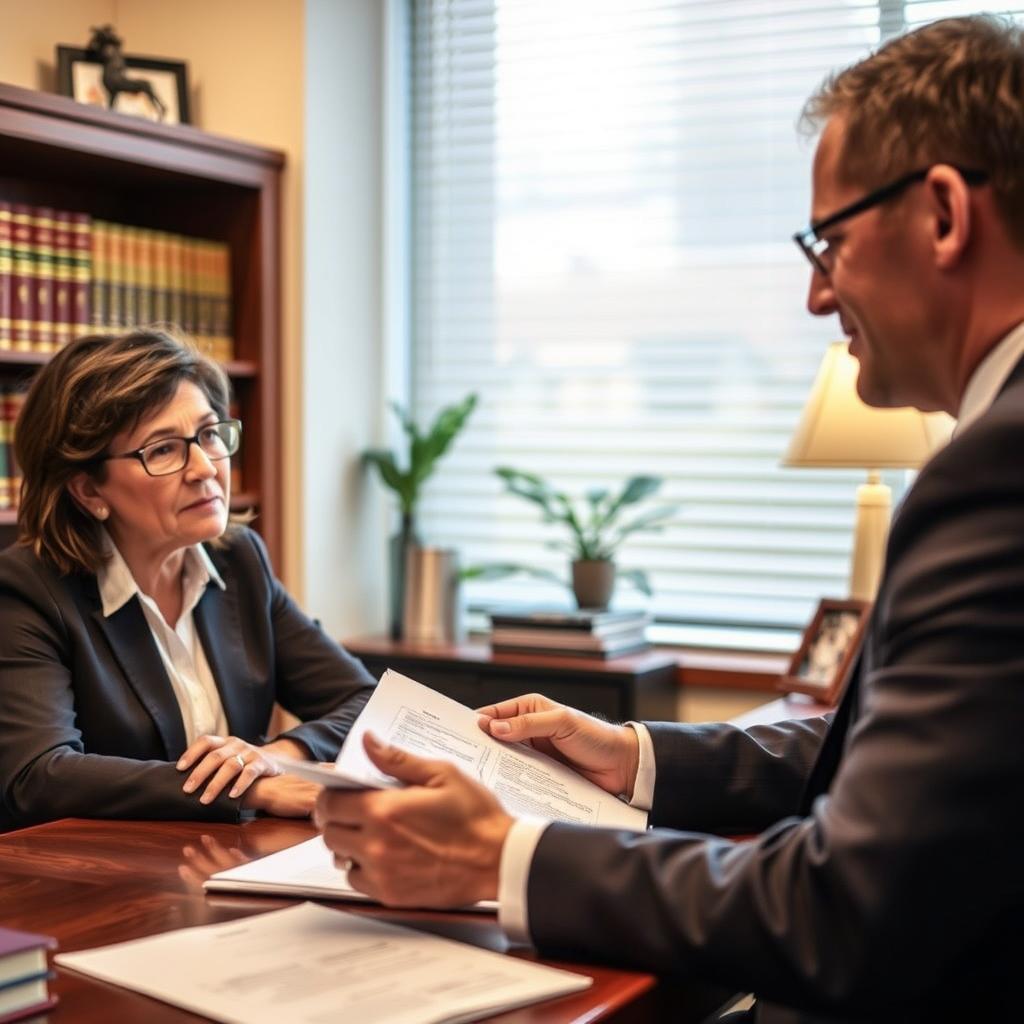
Family Reunification Programs Lawyer Essex County — How Can We Help Your Family?
A family reunification programs lawyer Essex County from Law Offices Of SRIS, P.C. provides essential legal guidance for U.S. citizens and lawful permanent residents seeking to bring family members to the United States. The process involves handling immigration laws, filing petitions with USCIS, and managing consular processing abroad. Our firm, founded in 1997, has extensive experience in family-based immigration.
Understanding Family Reunification Under U.S. Immigration Law
Family reunification is a cornerstone of U.S. immigration policy, allowing U.S. citizens and lawful permanent residents (LPRs) to sponsor certain family members for immigrant visas (green cards). The process is governed by the Immigration and Nationality Act (INA). The law establishes a preference system that prioritizes immediate relatives of U.S. citizens—spouses, unmarried children under 21, and parents—while creating waiting lists for other family categories, such as married children and siblings. A family reunification programs lawyer Essex County can explain which category your family member falls into and the associated timelines and procedures.
Last verified: April 2026 | U.S. Citizenship and Immigration Services (USCIS) | U.S. Department of State
Official Resources and Legal Citations
The legal framework for family-based immigration is detailed in federal law. Key statutes and government resources include the Immigration and Nationality Act (INA) and the official websites of the agencies that administer these laws. Understanding these resources is critical for a successful petition.
- USCIS Family Page (official U.S. Citizenship and Immigration Services information on family-based immigration).
- U.S. Department of State Visa Bulletin (official monthly updates on visa availability and priority dates for family preference categories).
The Family Reunification Process: An Insider’s View from Essex County
Successfully reuniting a family requires meticulous attention to detail and an understanding of both legal requirements and bureaucratic processes. From our experience, one of the most common points where petitions face delays or requests for evidence (RFEs) in Essex County is insufficient proof of the qualifying relationship or the sponsor’s financial ability. A family reunification programs lawyer near me Essex County can proactively gather the correct evidence, such as birth certificates, marriage certificates, and tax transcripts, to build a strong case from the start.
- Determine Eligibility and Category: The sponsoring U.S. citizen or LPR (the petitioner) must confirm their relative qualifies as an immediate relative or falls under a family preference category.
- File the Immigrant Petition (Form I-130): The petitioner files Form I-130, Petition for Alien Relative, with USCIS, including all required supporting documents and fees to establish the qualifying family relationship.
- handle Visa Availability: For preference categories, the beneficiary must wait for a visa number to become available, as indicated by their priority date in the monthly Visa Bulletin.
- Apply for the Immigrant Visa or Adjustment of Status: If the beneficiary is outside the U.S., they apply for an immigrant visa through consular processing at a U.S. embassy or consulate. If inside the U.S. and eligible, they may apply to adjust their status to a lawful permanent resident (Form I-485).
- Complete the Green Card Process: After visa approval or adjustment of status approval, the beneficiary receives their green card, granting them permanent resident status in the United States.
Potential Challenges and How a Lawyer Addresses Them
Family reunification cases can encounter various hurdles. An affordable family reunification programs lawyer Essex County helps anticipate and address these issues:
- Requests for Evidence (RFE): USCIS may issue an RFE if documentation is lacking. A lawyer prepares a full response to satisfy the officer’s inquiry.
- Financial Sponsorship (Form I-864): The petitioner must demonstrate sufficient income or assets to support the immigrating family member. If income is insufficient, a joint sponsor may be needed. An attorney helps structure this requirement correctly.
- Previous Immigration Violations: If the beneficiary has a history of unlawful presence, visa overstay, or other violations, they may be subject to bars to admission. Legal strategies, such as waivers, may be available.
- Lengthy Processing Times: Waiting for a visa number in preference categories can take years. A lawyer monitors priority dates and ensures all subsequent steps are ready when the date becomes current.
Our Commitment to Essex County Families
At Law Offices Of SRIS, P.C., our mission is “Advocacy Without Borders.” Founded in 1997, our firm brings over 120 years of combined legal experience to every case. We understand that family reunification is more than a legal process—it’s a deeply personal journey. Our team is committed to providing clear guidance, diligent preparation of your petition, and persistent advocacy to help bring your loved ones home.
We have handled numerous family-based immigration cases, helping clients handle the intricacies of the I-130 petition process, affidavit of support requirements, and consular interviews.
Results may vary. Prior results do not guarantee a similar outcome.
Law Offices Of SRIS, P.C.
Serving Essex County and surrounding communities.
Toll-Free: (888) 437-7747 | Local: (609)-983-0003
By appointment only. 24/7 phone consultations.
Frequently Asked Questions: Family Reunification Programs
Who can sponsor a family member for a green card?
Yes, U.S. citizens and lawful permanent residents (green card holders) can sponsor certain family members. U.S. citizens can petition for spouses, parents, children (unmarried and under 21), and siblings. Lawful permanent residents can only petition for spouses and unmarried children.
What is the difference between an immediate relative and a family preference visa?
Immediate relatives of U.S. citizens (spouses, unmarried children under 21, and parents) have no annual visa limit. Family preference categories (for other relationships like married children or siblings of citizens, or spouses of LPRs) have annual caps, creating waiting lists that can last several years.
How long does the family reunification process take?
It depends. Processing times vary widely. Immediate relative petitions can often be completed in 1-2 years. For family preference categories, the wait for a visa number can add many years, depending on the country of chargeability and the specific category.
What is an Affidavit of Support (Form I-864)?
It is a legally binding contract where the sponsor promises to financially support the immigrating family member and repay any government means-tested benefits they may receive. The sponsor must meet specific income requirements based on household size and the federal poverty guidelines.
Can I still sponsor a family member if my income is too low?
Yes. If the petitioner’s income does not meet 125% of the federal poverty guidelines, they can use a joint sponsor who does meet the requirements. Assets can also be used to supplement income, following specific USCIS rules.
What happens if my family member is in the U.S. unlawfully?
It depends on their specific history. Unlawful presence can trigger bars to re-entry. In some cases, they may need to leave the U.S. for consular processing and may require a waiver to overcome the bar. An attorney can assess eligibility for available waivers.
Related Legal Services in Essex County
If you are dealing with other family or immigration matters in New Jersey, our firm can assist. You may also want to learn about family law in Essex County for matters like divorce or custody, or explore our broader New Jersey immigration lawyer services. For help in a neighboring area, consider our family reunification programs lawyer Union County.
Last verified: April 2026. Laws and procedures change. Contact Law Offices Of SRIS, P.C. at (609)-983-0003 for the most current guidance on your family reunification case in Essex County.
New Jersey law governs this practice area.
Your case in Essex County, New Jersey
Divorce, custody, support and domestic-violence matters are heard in the Family Part of the Chancery Division. In Essex County that is the Superior Court of NJ, Essex Vicinage (5th Vicinage), 50 West Market Street, Newark, NJ 07102, telephone (973) 776-9300, open Mon-Fri 8:30AM-4:30PM. Court procedures change; confirm the current schedule on the official vicinage website or with the clerk before you file or appear.
The governing law for this topic is N.J.S.A. 2A:34-2 (grounds for divorce) and N.J.S.A. 9:2-4 (custody). Law Offices Of SRIS, P.C. handles Essex County matters from its New Jersey location at 44 Apple St 1st Floor, Tinton Falls, NJ 07724; meetings are by appointment. Request a New Jersey consultation at (888) 437-7747 or (609) 983-0003.
Related New Jersey pages: Essex County NJ lawyers directory · Family Reunification Programs Lawyer Bergen County, NJ · Family Reunification Programs Lawyer Middlesex County, NJ · Family Reunification Programs Lawyer Hudson County, NJ.