
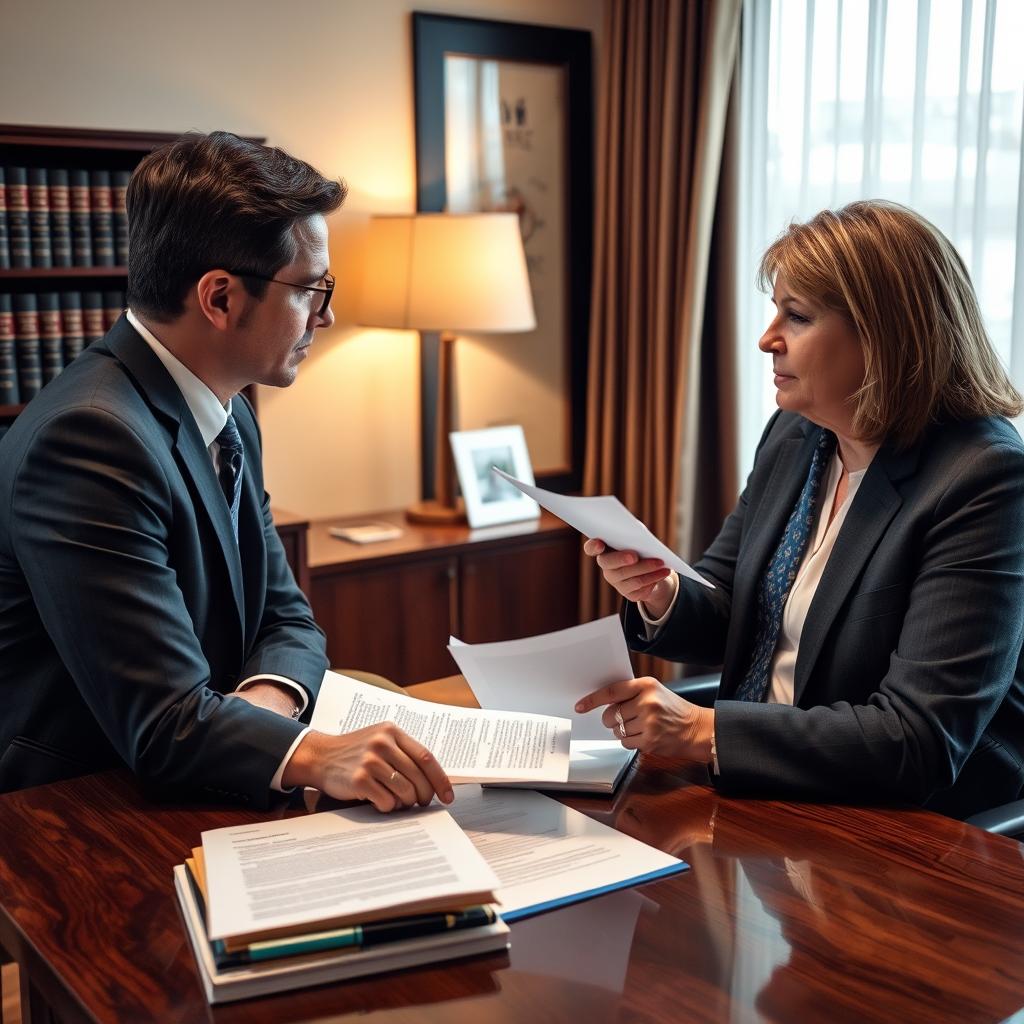
Georgetown Fault Based Divorce Lawyer — What Are the Grounds?
A fault-based divorce in Georgetown requires proving specific grounds like adultery or cruelty under D.C. Code § 16-904. This path can impact alimony and property division. Law Offices Of SRIS, P.C. provides strategic guidance for fault grounds for divorce lawyer Georgetown cases. Our fault based divorce lawyer Georgetown team helps you understand the evidence needed and the potential consequences of pursuing an at-fault divorce.
Last verified: April 2026 | D.C. Superior Court Family Division | D.C. Council legislation website.
Understanding Fault-Based Divorce in Washington, D.C.
Unlike many states, Washington, D.C., recognizes both no-fault and fault-based grounds for divorce. A no-fault divorce is based on a six-month separation with no hope of reconciliation. A fault-based divorce, however, requires one spouse to prove the other committed a specific marital wrong that caused the breakdown of the marriage. The grounds for a fault-based divorce in D.C. are defined by statute. Successfully proving fault can influence a judge’s decisions on critical issues like spousal support (alimony) and the equitable distribution of marital property, potentially tilting the outcome in your favor.
Official D.C. Divorce Laws and Resources
Fault-based divorce in the District of Columbia is governed by D.C. Official Code § 16-904. All divorce cases, whether fault or no-fault, are filed in the Family Division of the D.C. Superior Court. Understanding the specific language of the law and the local court’s procedures is essential for building a strong case.
The Strategic Edge in Georgetown Fault Divorces
Pursuing a fault-based divorce in D.C. Superior Court is a strategic decision with significant procedural implications. The burden of proof rests entirely on the spouse alleging fault, requiring clear and convincing evidence. Judges in the Family Division scrutinize this evidence closely, as a finding of fault can directly affect financial awards.
- Consult with an Attorney: Immediately discuss your situation with a lawyer to evaluate if you have valid grounds and if pursuing fault is strategically advantageous for your goals.
- Gather and Preserve Evidence: Begin collecting all relevant evidence, including emails, texts, photos, financial records, and witness contact information. Do not confront your spouse.
- File the Complaint: Your attorney will draft and file a Complaint for Absolute Divorce in D.C. Superior Court, specifically citing the fault grounds under D.C. Code § 16-904.
- Serve Your Spouse: The complaint must be formally served on your spouse according to court rules, giving them a deadline to file an Answer.
- Proceed Through Discovery: Both sides exchange evidence through the legal discovery process, which may include interrogatories, requests for documents, and depositions.
- Trial or Negotiation: If a settlement cannot be reached, the case proceeds to trial where you must present your evidence to a judge who will decide if fault is proven and rule on all related issues.
Fault Grounds and Potential Implications
In Georgetown, proving fault in a divorce can affect alimony awards and the division of marital assets, making the choice of grounds a critical strategic decision.
| Fault Ground | Legal Definition (D.C. Code § 16-904) | Potential Impact on Divorce Outcome |
|---|---|---|
| Adultery | Voluntary sexual intercourse by either spouse with someone other than their spouse. | May result in a more favorable property division or alimony award for the innocent spouse. |
| Cruelty | Acts of bodily harm, reasonable apprehension of bodily harm, or conduct that endangers life or health. | Can significantly influence custody decisions and lead to higher spousal support for the victimized spouse. |
| Desertion | Willful desertion and abandonment for one year or more without justification. | The deserted spouse may be awarded a larger share of marital assets or receive alimony. |
| Felony Conviction | Conviction of a felony and imprisonment for one year or more after marriage. | Can affect the court’s view on fitness for custody and financial settlements. |
| Voluntary Separation | Living separate and apart without cohabitation for one year (mutual consent) or two years (without consent). | While a no-fault ground, the length and circumstances can influence support and property talks. |
Results may vary. Prior results do not aim for a similar outcome.
Why Choose Our Firm for Your Fault-Based Divorce
Founded in 1997 by former prosecutor Mr. Sris, Law Offices Of SRIS, P.C. brings over 120 years of combined legal experience to complex family law matters. Our firm-wide record includes over 4,739 case results with a favorable outcome rate exceeding 93%. We understand that a fault-based divorce is more than a legal procedure; it’s a highly charged personal challenge. Our approach is direct and strategic, focusing on how the specific grounds you allege can be leveraged to achieve your specific financial and personal goals under D.C. law.
Documented Results in Family Law
Our attorneys have a proven track record in achieving favorable resolutions in difficult family law cases. For instance, our team has successfully navigated cases involving contested fault grounds, securing outcomes that protected our clients’ financial interests and parental rights. In every case, we meticulously prepare the evidence required to meet the legal standard for fault.
Results may vary. Prior results do not aim for a similar outcome.
Fault Based Divorce Lawyer Near Georgetown
Our firm is accessible for clients in Georgetown and surrounding communities. We offer 24/7 phone consultations for immediate guidance. Meetings at our locations are by appointment only to ensure we dedicate our full attention to your case.
Law Offices Of SRIS, P.C.
By appointment only.
Toll-Free: (888) 437-7747 | Local: (202) 900-8439
24/7 phone consultations — meetings by appointment only.
Fault-Based Divorce in Georgetown: Frequently Asked Questions
What are the fault grounds for divorce in Washington, D.C.?
Yes. D.C. recognizes five fault grounds: adultery, cruelty, desertion for one year, felony conviction with imprisonment, and voluntary separation (one or two years). These are defined in D.C. Code § 16-904. Proving one can affect alimony and property division.
Is it better to file for a fault-based or no-fault divorce in D.C.?
It depends entirely on your specific circumstances and goals. A no-fault divorce based on separation is often faster and less contentious. However, an at-fault divorce lawyer Georgetown can advise that proving fault may lead to a more favorable financial settlement or custody arrangement. The strategic choice requires careful legal analysis.
What evidence do I need to prove adultery in a D.C. divorce?
You need clear and convincing evidence. This can include photographs, emails, text messages, hotel receipts, credit card statements, or testimony from a private investigator or witnesses. Circumstantial evidence can be sufficient if it leads directly to the conclusion of adultery.
How does proving cruelty affect child custody?
Significantly. A court finding that one parent has committed cruelty that endangered the child’s other parent or the child’s own health or welfare is a major factor in determining the child’s best interests. It can lead to restrictions on custody or visitation for the offending parent.
Can I get a fault-based divorce if my spouse deserted me but we live in the same house?
No. For the ground of desertion, D.C. law requires a physical separation—living in separate residences. Merely living separate lives under the same roof (“constructive desertion”) is not sufficient to meet the legal definition of desertion for a fault-based divorce in the District.
Related Practice Areas: If you are dealing with related financial issues, you may need a Business Valuation Divorce Lawyer in Washington, D.C.. For cases involving safety concerns, explore Civil Protection Order Lawyer in Washington, D.C..
Other Locations: Our firm also assists clients in neighboring areas. For example, visit our page for a Fault Based Divorce Lawyer in Alexandria.
Learn More: For a broader understanding of our family law services, see our main Divorce Lawyer hub page.