
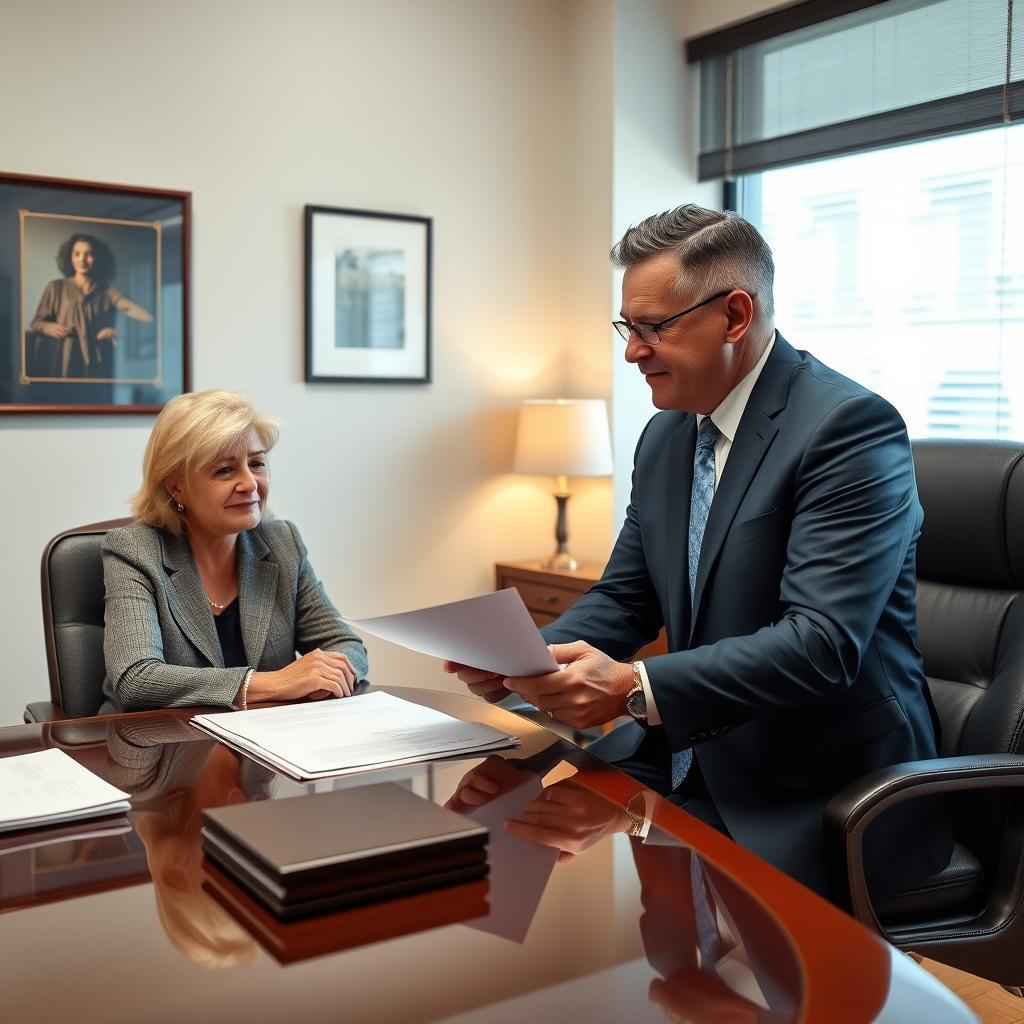
Felony Conviction Divorce Lawyer Virginia — How Does a Felony Impact Your Divorce?
A felony conviction can be a fault-based ground for divorce in Virginia under Va. Code § 20-91, potentially impacting custody, support, and property division. As a felony conviction divorce lawyer Virginia, Law Offices Of SRIS, P.C. provides full divorce representation to protect your rights. Our firm has handled complex family law cases across the state, offering strategic guidance through this difficult process.
Last verified: April 2026 | Statewide — court varies by locality | Virginia General Assembly
Virginia Divorce Law and Felony Convictions
In Virginia, a felony conviction is a specific fault ground for divorce. The relevant statute, Va. Code § 20-91, allows a spouse to file for divorce if the other has been convicted of a felony, sentenced to confinement for more than one year, and has been confined after conviction. This is distinct from no-fault separation grounds. A felony conviction divorce lawyer Virginia can explain how asserting this ground may influence the court’s decisions on related matters like spousal support or the division of marital assets, as fault can be a factor under Virginia’s equitable distribution laws.
- Consult with a felony conviction divorce lawyer Virginia to review your case and the conviction records.
- Your attorney will help you draft and file a Complaint for Divorce, citing the felony conviction ground under Va. Code § 20-91.
- The complaint and summons must be properly served on your spouse, often by a sheriff or private process server.
- If your spouse contests the divorce, your lawyer will represent you through discovery, negotiations, and any necessary court hearings.
- Your attorney will work to finalize the divorce decree, addressing all ancillary issues like property division, support, and if applicable, custody.
Key Considerations in a Felony-Based Divorce
In Virginia, using a felony conviction as grounds for divorce can affect spousal support awards and is a key factor in child custody determinations under the child’s best interest standard.
The court’s primary concern in any divorce involving children is their best interest under Va. Code § 20-124.3. A parent’s felony conviction, especially if it involves violence, moral turpitude, or substance abuse, is a statutory factor the court must consider when making custody and visitation orders. This makes skilled divorce representation critical. also, while Virginia has child support guidelines, a felony conviction may impact a parent’s earning capacity, which can complicate support calculations. A dedicated divorce attorney can handle these details to advocate for a fair outcome.
Virginia Family Law Experience
Law Offices Of SRIS, P.C. was founded in 1997. Our team brings extensive experience to family law cases across Virginia. We understand that a divorce triggered by a felony conviction involves sensitive legal and personal issues. Our approach is to provide clear, direct advice and strong advocacy. Firm founder Mr. Sris used his legal background to successfully amend Va. Code § 20-107.3, demonstrating a deep engagement with Virginia family law at the highest level.
Results may vary. Prior results do not aim for a similar outcome.
Law Offices Of SRIS, P.C.
4008 Williamsburg Court, Fairfax, VA 22032
Toll-Free: (888) 437-7747 | Local: (703) 636-5417
By appointment only.
Our Fairfax location serves clients across Virginia. We offer 24/7 phone consultations — (888) 437-7747 — with meetings by appointment only. Contact our felony conviction divorce lawyer Virginia team for help with your divorce filing.
FAQs: Divorce and Felony Convictions in Virginia
Is a felony conviction automatic grounds for divorce in Virginia?
Yes. A felony conviction and sentence of over one year, with confinement after sentencing, is a specific fault ground for divorce under Virginia law (Va. Code § 20-91).
How does a felony affect child custody in a Virginia divorce?
It depends. The court must consider the conviction as part of the child’s best interest analysis. Factors include the nature of the felony, its relation to parenting ability, and the time since the offense. A skilled divorce attorney is essential for presenting your case.
Can I get spousal support if my spouse divorces me for a felony?
It depends. Virginia law allows the court to consider the grounds for divorce, including marital fault, when deciding spousal support under Va. Code § 20-107.1. A felony conviction could negatively impact the offending spouse’s support claim.
What proof is needed for a felony-based divorce in Virginia?
You must provide the court with certified documentation of the felony conviction and the sentence showing confinement for more than one year. A marriage dissolution lawyer can help obtain and present this evidence properly.
How long does a contested divorce based on a felony take?
Typically 9 to 18 months. A contested divorce where fault is argued often involves more discovery and hearings than an uncontested, no-fault divorce, extending the timeline significantly.
Last verified: April 2026. Laws change — contact Law Offices Of SRIS, P.C. at (888) 437-7747 for current guidance.
Attorney advertising. Prior results do not aim for a similar outcome.
A felony conviction divorce case is one part of divorce & separation lawyer, and our page on divorce lawyer Virginia covers the wider process.