
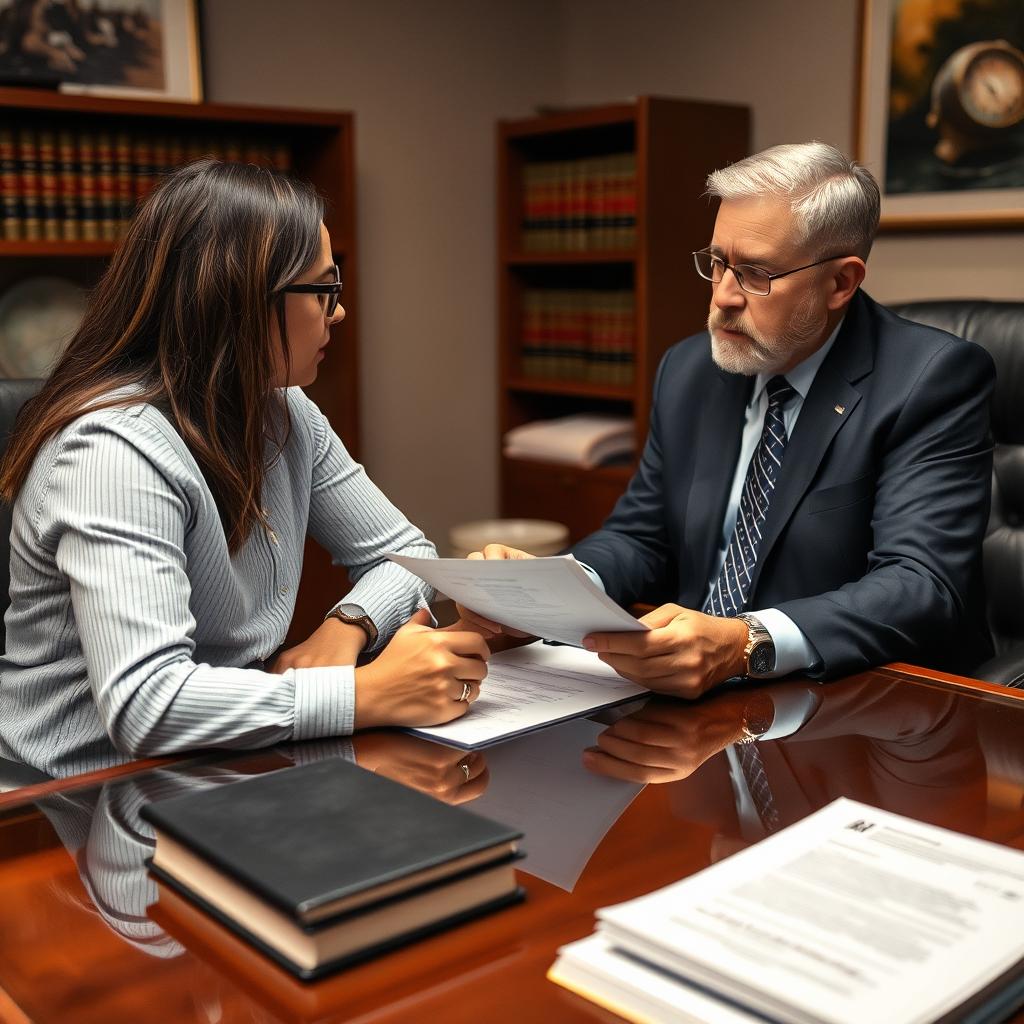
Foundation Lawyer in Washington County, NY
Establishing a private foundation in Washington County, NY, requires strict adherence to the New York Estates, Powers and Trusts Law (EPTL) and IRS regulations. A foundation lawyer Washington County can guide you through the complex process of drafting articles of incorporation, obtaining 501(c)(3) status, and creating bylaws that ensure your charitable vision is realized and sustained.
What is a Private Foundation in New York?
Last verified: March 2026 | Washington County Supreme Court | New York State Legislature
A private foundation is a type of tax-exempt charitable organization, typically funded by a single source such as an individual, family, or corporation. In New York, its creation and operation are governed by the Estates, Powers and Trusts Law (EPTL) and must comply with both state and federal tax codes. Unlike public charities, foundations generally make grants to other charitable organizations rather than conduct their own charitable programs. Proper legal structuring from a foundation lawyer Washington County is critical to secure tax-exempt status under IRC 501(c)(3) and to avoid penalties for self-dealing or failure to meet annual distribution requirements.
Official Legal Resources
For the official statutes governing charitable entities in New York, refer to the New York Estates, Powers and Trusts Law. For local court procedures, the Washington County Supreme Court website provides essential forms and filing information for matters that may come before the Surrogate’s Court.
Key Steps for Establishing a Foundation in Washington County
Creating a foundation involves multiple legal and administrative steps. A key local procedural fact is that while the foundation is incorporated at the state level, its operations and any trust or probate-related matters may interface with the Washington County Surrogate’s Court. The process requires meticulous planning to satisfy both the New York Department of State and the IRS.
- Define Your Charitable Purpose: Draft a clear, specific charitable mission statement that meets IRS requirements for 501(c)(3) organizations.
- Incorporate the Entity: File Articles of Incorporation with the New York Department of State, explicitly stating the charitable purposes and including required dissolution clauses.
- Draft Governing Documents: Create detailed bylaws outlining governance structure, director selection, meeting rules, and grant-making procedures.
- Apply for Federal Tax Exemption: Submit IRS Form 1023 to apply for 501(c)(3) status, a process that can take several months.
- Register with New York State: File for state tax exemption and register with the New York Attorney General’s Charities Bureau.
- Establish Operational Policies: Implement conflict of interest, investment, and grant distribution policies to ensure proper governance from inception.
Compliance and Fiduciary Duties
In Washington County, foundation trustees and directors have a strict fiduciary duty to manage assets prudently and exclusively for charitable purposes, with violations potentially skilled to personal liability and removal by the court.
Foundation managers must adhere to complex rules to maintain tax-exempt status and avoid penalties.
Results may vary. Prior results do not aim for a similar outcome.
Our Experience in Trusts and Estates Law
Founded in 1997 by former prosecutor Mr. Sris, Law Offices Of SRIS, P.C. brings over 120 years of combined legal experience to complex matters of estate and charitable planning. Our firm-wide track record includes successfully handling the intricate rules governing private foundations, charitable trusts, and tax-exempt entities. We understand that a foundation is more than a legal entity; it’s the embodiment of your philanthropic goals, requiring counsel that blends legal precision with a deep understanding of your vision.
Legal Guidance for Your Philanthropic Vision
Establishing a foundation is a significant undertaking with lasting impact. Our legal team provides the structured guidance needed to handle state incorporation, IRS approval, and ongoing compliance. We help you build a solid legal framework so your foundation can focus on achieving its mission.
Contact Our Washington County Foundation Lawyers
Our New York location serves clients throughout Washington County, including Fort Edward, Hudson Falls, Greenwich, Cambridge, Granville, Salem, Whitehall, and Kingsbury. We are accessible via I-87, I-90, and Route 9. For an affordable foundation lawyer Washington County residents can rely on, contact us for a consultation.
Law Offices Of SRIS, P.C.
New York Location — Buffalo/NY area
By appointment only.
24/7 Phone Consultations
Toll-Free: (888) 437-7747
Looking for a foundation lawyer near me Washington County? Call now to schedule an appointment.
Foundation Lawyer FAQs: Washington County, NY
What is the difference between a private foundation and a public charity?
Yes. A private foundation is typically funded by a single source (individual, family, or corporation) and makes grants to other charities. A public charity receives broad public support and often runs its own charitable programs. The tax rules and reporting requirements differ significantly for each.
Do I need a lawyer to start a foundation in New York?
It is highly advisable. A foundation lawyer Washington County can ensure your Articles of Incorporation and bylaws meet strict New York and IRS requirements, properly apply for 501(c)(3) status, and establish governance policies to avoid future legal and tax problems. Mistakes in the formation process can be costly to rectify.
What are the ongoing compliance requirements for a private foundation?
Foundations must file an annual IRS Form 990-PF, pay an excise tax on net investment income, distribute at least 5% of asset value annually for charitable purposes, and avoid prohibited transactions like self-dealing. In New York, they must also register and file annual reports with the Attorney General’s Charities Bureau.
Can a foundation be part of my estate plan?
Yes. A foundation is a powerful estate planning tool. You can fund it during your lifetime or through your will or trust upon your death. A foundation lawyer Washington County can integrate the foundation with your overall plan, potentially providing estate tax benefits while creating a lasting charitable legacy.
What happens if a foundation violates IRS rules?
Violations can lead to severe penalties, including excise taxes on the foundation and its managers for acts like self-dealing, failure to distribute income, or jeopardizing investments. In extreme cases, the IRS can revoke the foundation’s tax-exempt status. Proactive legal counsel is essential for compliance.
Internal Resources: For broader estate planning guidance, see our New York Estate Lawyer hub. For related services in Washington County, consider our Washington County Business Lawyer or Washington County Civil Litigation Lawyer.
Page last verified: 2026-04. Laws and procedures change. Contact Law Offices Of SRIS, P.C. at (888) 437-7747 for the most current guidance regarding foundation law in Washington County.