
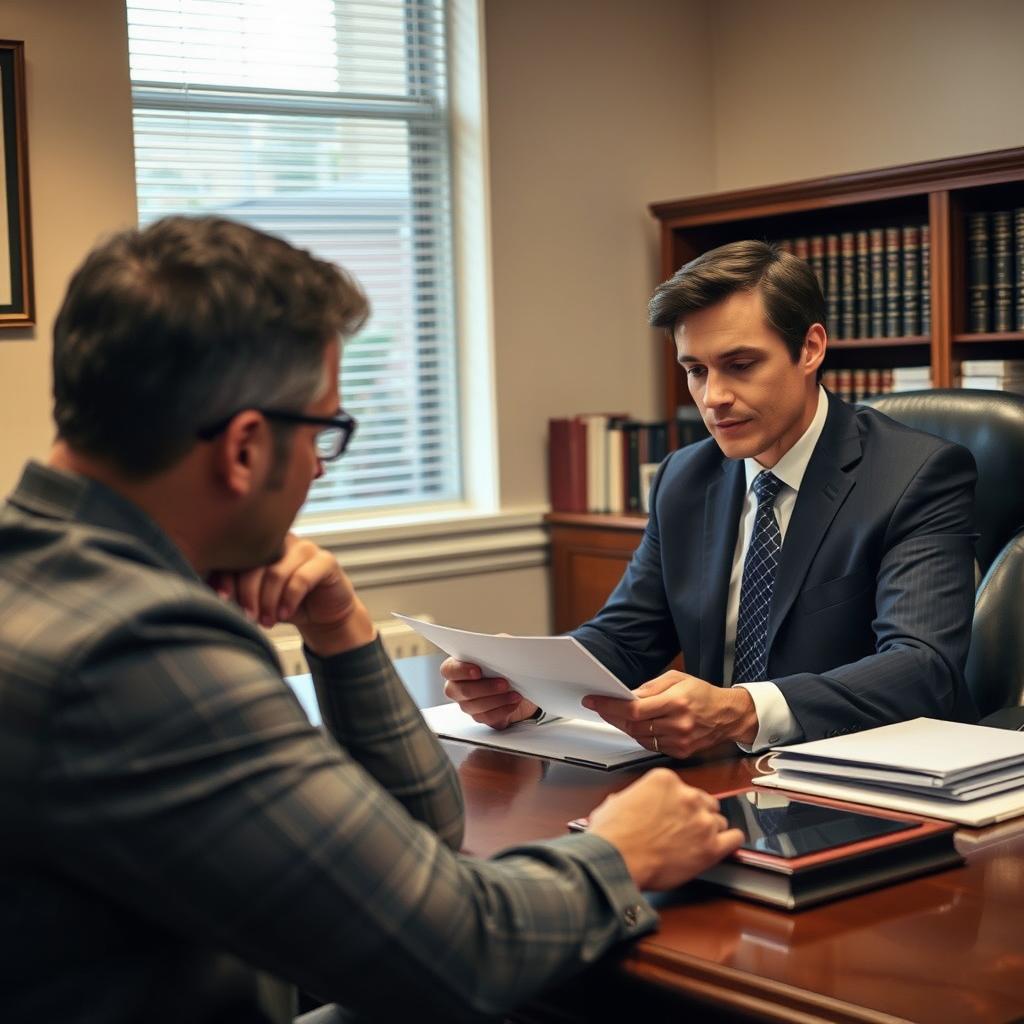
Grand Larceny Lawyer Capitol Hill — What Are Your Defense Options?
Grand larceny in Capitol Hill is a serious felony theft charge under D.C. Code § 22-3212, involving the theft of property valued at $1,000 or more. A conviction can result in significant prison time and a permanent criminal record. The Law Offices Of SRIS, P.C.
Understanding Grand Larceny Charges in the District of Columbia
In Washington D.C., grand larceny is defined by statute as the wrongful taking and carrying away of property belonging to another with the intent to permanently deprive the owner of it, where the value of the property is $1,000 or more. This is distinct from petit larceny (theft under $1,000), which is a misdemeanor. Grand larceny is a felony, specifically classified as a felony theft offense under D.C. Code § 22-3212. The severity of the charge escalates based on the circumstances, such as the type of property stolen or the use of force.
Last verified: April 2026 | D.C. Superior Court | D.C. Council official code.
Official Legal Resources and Statutes
Understanding the specific laws you are accused of violating is a critical first step in building a defense. The primary statute governing theft offenses in the District is D.C. Code § 22-3212 (official D.C. Council website). For procedures and court rules, you can refer to the District of Columbia Courts website. A seasoned grand larceny lawyer Capitol Hill will be intimately familiar with these resources and how they apply to your case in D.C. Superior Court.
The Local Court Process for a Grand Theft Charge
Facing a grand theft charge lawyer Capitol Hill residents trust will explain that your case will begin with an arraignment in D.C. Superior Court, where you will enter a plea. The prosecution will then engage in discovery, sharing evidence with your defense. Pre-trial motions, which can be crucial for suppressing evidence or dismissing charges, are often filed next. The vast majority of cases are resolved through plea negotiations before reaching a trial. If your case does go to trial, it will be before a judge or jury in the same court.
- Initial Appearance & Arraignment: You will be formally advised of the charges and enter a plea of not guilty.
- Discovery & Investigation: Your attorney will obtain all police reports, witness statements, and evidence to identify weaknesses in the prosecution’s case.
- Pre-Trial Motions: Your lawyer may file motions to challenge the legality of a search, the admissibility of statements, or the sufficiency of the evidence.
- Plea Negotiations: Your attorney will negotiate with the Assistant U.S. Attorney to seek a reduction in charges or a favorable plea agreement.
- Trial Preparation: If a plea cannot be reached, your defense team will prepare for trial, including selecting a jury and planning cross-examinations.
- Trial & Sentencing: Your case will be presented at trial. If convicted, your lawyer will advocate for the most lenient sentence possible.
Potential Penalties for Grand Larceny in D.C.
In Capitol Hill, a grand larceny conviction carries a penalty of up to 10 years in prison and fines up to $5,000, along with a permanent felony record that affects employment, housing, and professional licenses.
| Offense | Classification | Incarceration | Fine | Collateral Consequences |
|---|---|---|---|---|
| Grand Larceny (Value $1,000+) | Felony | Up to 10 years | Up to $5,000 | Permanent felony record, loss of voting rights (while incarcerated), difficulty securing employment/housing. |
| Grand Larceny (From Person) | Felony (Aggravated) | Up to 15 years | Up to $5,000 | All standard felony consequences, plus potential designation as a crime of violence. |
Results may vary. Prior results do not aim for a similar outcome.
Why Choose Our Firm for Your Grand Larceny Defense
Founded in 1997 by a former prosecutor, the Law Offices Of SRIS, P.C. brings over 120 years of combined legal experience to every case. Our philosophy of “Advocacy Without Borders” means we pursue every available avenue for your defense. We understand that a felony theft defense lawyer Capitol Hill clients recommend must be both aggressive in court and meticulous in case preparation. Our team is familiar with the tendencies of local prosecutors and the expectations of D.C. Superior Court judges.
Documented Case Results in Theft Defense
Our firm-wide track record includes over 4,739 documented case results with a favorable outcome rate exceeding 93%. In theft-related cases, our strategies have led to dismissals, reductions to misdemeanors, and alternative sentencing. For example, we have successfully argued for the suppression of evidence obtained without probable cause, skilled to dropped charges. In other cases, thorough investigation into property valuation has resulted in felony grand larceny charges being reduced to petit larceny.
Results may vary. Prior results do not aim for a similar outcome.
Contact a Grand Larceny Lawyer Near Capitol Hill
If you are under investigation or have been charged, immediate action is critical. Our firm is positioned to defend clients in Capitol Hill and throughout the D.C. metropolitan area. We serve neighborhoods like Eastern Market, Barracks Row, and the surrounding communities. We offer 24/7 phone consultations for immediate legal guidance.
Law Offices Of SRIS, P.C.
By appointment only.
Toll-Free: (888) 437-7747 | Local: (838)-292-0003
24/7 phone consultations — meetings by appointment only.
Frequently Asked Questions About Grand Larceny Charges
What is the difference between grand larceny and petit larceny in D.C.?
The key difference is the value of the stolen property. Theft of property valued at $1,000 or more is grand larceny, a felony. Theft under $1,000 is petit larceny, a misdemeanor. The penalties for grand larceny are significantly more severe.
Can a grand larceny charge be reduced to a misdemeanor?
Yes, it is possible. A skilled grand larceny lawyer Capitol Hill residents hire can negotiate with prosecutors to reduce the charge, often by challenging the evidence of the property’s value or demonstrating mitigating circumstances about the defendant.
What are common defenses to a grand theft charge?
Common defenses include mistaken identity, lack of intent to permanently deprive the owner (e.g., you believed you had permission), mistaken valuation of the property, unlawful search and seizure, or insufficient evidence. Your attorney will identify the strongest defense based on the facts.
Should I speak to the police if I’m suspected of grand larceny?
No. You have the right to remain silent. Politely decline to answer questions and immediately request an attorney. Anything you say can be used against you, and investigators are trained to obtain statements that can hurt your case.
How long does a grand larceny case typically take?
It depends on the complexity of the case, the court’s docket, and whether it is resolved by plea or goes to trial. A clear case resolved by plea may take several months. A contested case going to trial can take a year or more to conclude.
Internal Links: For related defense services, see our pages on Criminal Defense Lawyer Washington D.C. and Felony Lawyer Washington D.C.. For defense in neighboring areas, consider our Grand Larceny Lawyer Arlington.
Page last verified and updated: April 2026. Laws and procedures change. Contact the Law Offices Of SRIS, P.C. at (888) 437-7747 for current legal guidance regarding your grand larceny charge.