
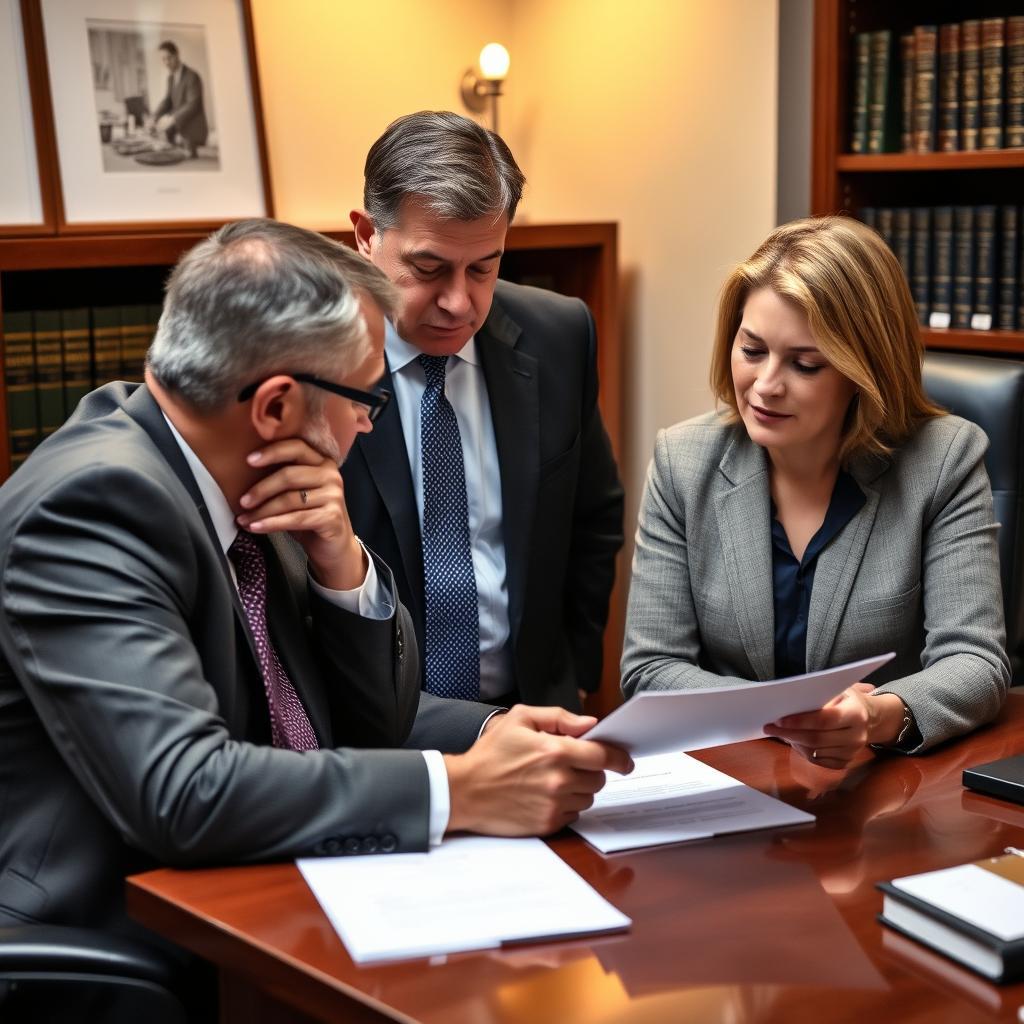
How To Get A Divorce In Virginia — A Step-by-Step Guide
Understanding how to get a divorce in Virginia is the first step in the marriage dissolution process. Virginia law provides specific grounds and procedures for ending a marriage, whether it’s a no-fault separation or based on fault. The Law Offices Of SRIS, P.C. has extensive experience guiding clients through this process, from filing the initial complaint to the final decree.
Last verified: April 2026 | Statewide — court varies by locality | Virginia General Assembly
Virginia Divorce Law and Grounds
The process for how to get a divorce in Virginia is governed by state statute. Virginia is an equitable distribution state, meaning marital property is divided fairly, but not necessarily equally, by the court. The grounds for divorce are outlined in the Virginia Code. You can file for a no-fault divorce after a six-month separation if you have no minor children and no pregnancy, or after a one-year separation in other cases. Fault-based grounds include adultery, cruelty, desertion for one year, or a felony conviction with imprisonment. The specific statute controlling equitable distribution, Va. Code § 20-107.3, was personally amended by Mr. Sris, the firm’s founder, demonstrating deep involvement in Virginia family law.
Official Legal Resources
For the official text of Virginia’s divorce laws, refer to the Virginia Code Title 20, Chapter 6 (official Virginia General Assembly). For local court forms and specific filing procedures, visit the Virginia Judicial System website.
- Determine Jurisdiction and Grounds: You or your spouse must have been a resident of Virginia for at least six months before filing. Decide whether to proceed on no-fault separation or fault grounds.
- Prepare and File the Complaint: Draft the divorce complaint outlining the grounds, relief sought (custody, support, property division), and file it with the Circuit Court in the city or county where you or your spouse resides. Pay the filing fee (approximately $86).
- Serve Your Spouse: Have the complaint and a summons formally delivered (served) to your spouse by a sheriff, private process server, or through their attorney if they accept service.
- handle the Response Period: Your spouse has 21 days (if served in Virginia) to file an Answer. If they contest the divorce or any terms, the case becomes contested.
- Complete Discovery and Negotiation: In contested cases, both sides exchange financial information and other evidence. Negotiate a settlement agreement if possible to avoid trial.
- Attend Final Hearing: For an uncontested divorce, you may attend a brief hearing to present your evidence. The judge will review the settlement agreement and, if approved, enter the final decree of divorce.
In Virginia, a divorce can resolve issues of property division, spousal support, child custody, and child support, with outcomes based on statutory factors and the specific facts of your case.
| Issue | Legal Standard / Potential Outcome |
|---|---|
| Property Division | Equitable distribution of marital property under Va. Code § 20-107.3. |
| Spousal Support | Based on 13 statutory factors including need, ability to pay, and duration of marriage. |
| Child Custody | Determined by the child’s best interests under Va. Code § 20-124.2. |
| Child Support | Calculated using Virginia guidelines based on combined gross income and custody arrangement. |
Results may vary. Prior results do not aim for a similar outcome.
Virginia Divorce Representation from SRIS, P.C.
Founded in 1997, the Law Offices Of SRIS, P.C. brings over 120 years of combined legal experience to family law matters. Our firm-wide track record includes 4,739+ documented case results with a favorable outcome rate exceeding 93%. Our deep understanding of Virginia divorce law is underscored by Mr. Sris’s personal work amending the equitable distribution statute, Va. Code § 20-107.3.
Case Experience in Virginia
Our firm has extensive experience handling divorce cases across Virginia. We have achieved favorable resolutions for clients in matters ranging from uncontested separations to complex, high-asset divorces involving business valuation and retirement accounts. Mr. Sris, the firm’s founder and a former prosecutor, provides strategic oversight on complex cases, leveraging his unique background and his direct involvement in shaping Virginia’s equitable distribution law.
Results may vary. Prior results do not aim for a similar outcome.
Law Offices Of SRIS, P.C.
4008 Williamsburg Court, Fairfax, VA 22032
Toll-Free: (888) 437-7747 | Local: (703) 636-5417
By appointment only.
Our Fairfax location serves clients across Virginia. We offer 24/7 phone consultations — (888) 437-7747 — with meetings scheduled by appointment only.
Frequently Asked Questions: How To Get A Divorce In Virginia
Do I need a divorce attorney in Virginia?
Yes. While you can file for divorce without a lawyer, having a divorce attorney ensures your rights are protected, especially regarding property division, support, and custody. An attorney handles complex paperwork, court procedures, and negotiation.
How much does a divorce filing lawyer cost in Virginia?
Attorney fees vary based on case complexity—whether it’s contested or uncontested. An uncontested divorce with an agreement is typically less expensive. SRIS offers consultations by appointment to discuss your specific situation and fee structure. Payment plans may be available.
What is the fastest way to get a divorce in Virginia?
The fastest method is an uncontested divorce based on a one-year separation with a signed settlement agreement. If both parties agree on all terms, the process can sometimes be completed in as little as 2-4 months after filing, depending on court schedules.
Can I get a divorce in Virginia if my spouse doesn’t agree?
Yes. This is a contested divorce. You can proceed based on fault grounds (like adultery or cruelty) or after meeting the required separation period. The court will make decisions on contested issues like property and custody if you cannot reach an agreement.
What is the difference between separation and divorce in Virginia?
Legal separation does not formally end the marriage but can establish support and custody orders. A divorce is the final legal termination of the marriage. In Virginia, a period of separation is often a prerequisite for a no-fault divorce.
For more information on related legal services, see our Virginia Family Law hub page. If you are in a specific locality, consider consulting a divorce lawyer in Fairfax County or a Virginia traffic lawyer for other legal needs.
Last verified: April 2026. Laws change — contact Law Offices Of SRIS, P.C. at (888) 437-7747 for current guidance.