
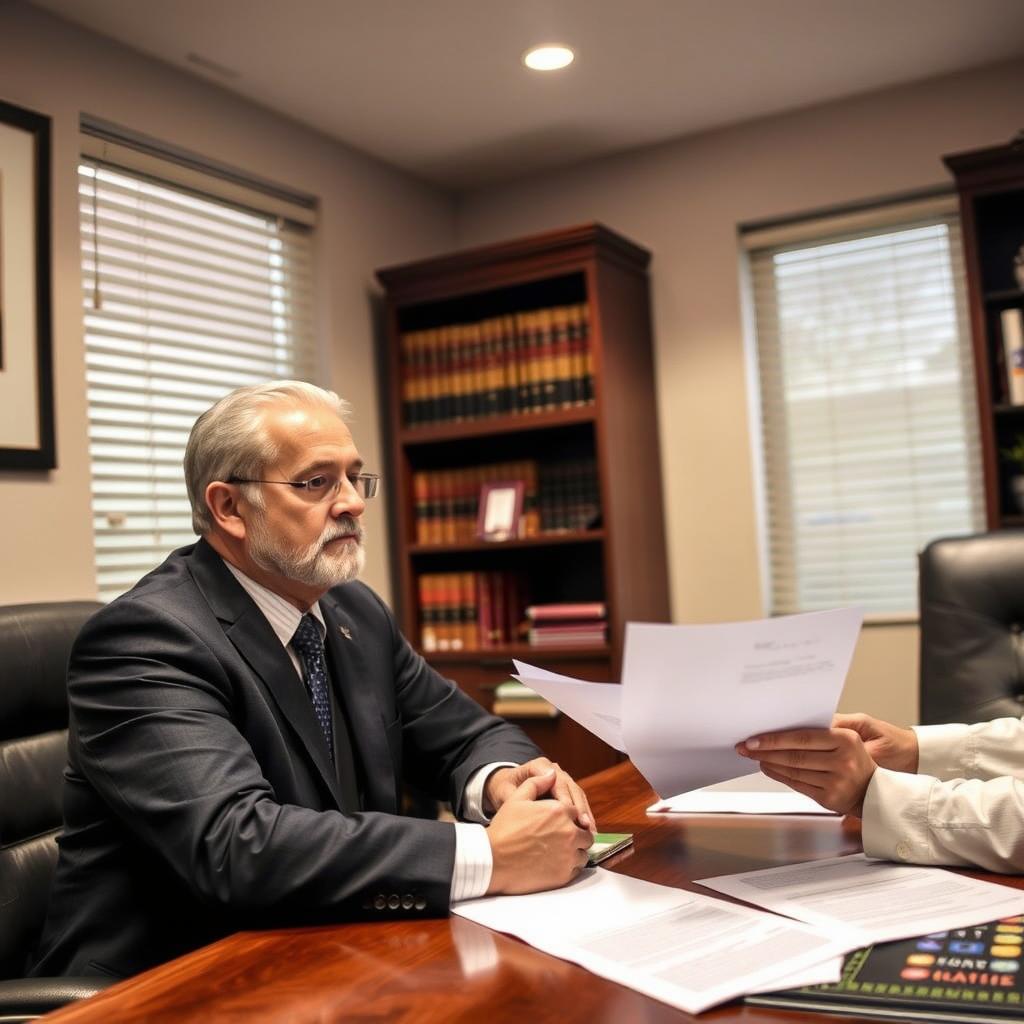
K1 Visa Lawyer Wesley Heights — How Do You Secure Your Fiancé’s Entry?
The K-1 fiancé visa process requires precise documentation and strict adherence to USCIS timelines to bring your partner to the United States. A single error in the visa petition process can lead to costly delays or denial. Law Offices Of SRIS, P.C.
What Is a K-1 Fiancé Visa?
The K-1 nonimmigrant visa allows a foreign-citizen fiancé(e) of a U.S. citizen to enter the United States for the purpose of getting married. After the marriage occurs within 90 days of entry, the foreign spouse may apply for adjustment of status to become a lawful permanent resident (green card holder). The process is governed by the Immigration and Nationality Act (INA) and involves multiple government agencies, including U.S. Citizenship and Immigration Services (USCIS), the Department of State’s National Visa Center (NVC), and the U.S. embassy or consulate in your fiancé’s home country.
Last verified: April 2026 | U.S. Citizenship and Immigration Services (USCIS) | U.S. Department of State
Official Government Resources
Understanding the official requirements is critical. You can review the relevant section of the Immigration and Nationality Act on the U.S. House of Representatives website. For specific forms and filing instructions, visit the official USCIS website.
The K-1 Visa Process and Local Considerations
The visa petition process for a K-1 visa is multi-stage and demands careful attention to detail. It begins with the U.S. citizen petitioner filing Form I-129F, Petition for Alien Fiancé(e), with USCIS. After approval, the case moves to the National Visa Center and then to the appropriate U.S. consulate for the fiancé’s interview. For petitioners in Wesley Heights, managing this pipeline efficiently is key to avoiding the common backlog delays at the California or Texas Service Centers that often handle these petitions.
- File Form I-129F: The U.S. citizen petitioner submits the petition with USCIS, including evidence of meeting in person within the last two years and proof of a genuine relationship.
- USCIS Adjudication: USCIS reviews the petition. If approved, it is sent to the National Visa Center (NVC).
- Consular Processing: The NVC forwards the case to the U.S. embassy/consulate. Your fiancé completes a medical exam, submits Form DS-160, and attends an interview.
- Visa Issuance & Entry: Upon visa approval, your fiancé has up to six months to enter the U.S. You must marry within 90 days of their entry.
- Adjust Status: After marriage, file Form I-485 for your spouse to adjust status to a lawful permanent resident.
Why Legal Guidance Matters for Your K1 Visa Application
An immigration visa application lawyer in Wesley Heights can be crucial in handling the strict requirements. The firm, founded in 1997 by former prosecutor Mr. Sris, brings a methodical approach to immigration cases. With a background in accounting and information systems, Mr. Sris provides a unique advantage in organizing the extensive financial and evidentiary documentation required for a successful K-1 petition. The firm’s collaborative model ensures each case benefits from deep, focused attention on the specific challenges of fiancé visa cases.
Handling Your Case
Our approach to a K1 visa case involves a detailed review of your relationship history, financial situation, and any potential legal complications. We prepare the petition package with an eye toward preventing Requests for Evidence (RFEs), which can add months to the process. We also guide you and your fiancé through the consular interview preparation to ensure confidence and clarity.
Results may vary. Prior results do not aim for a similar outcome.
Accessible Immigration Help for Wesley Heights
If you are looking for a K1 Visa lawyer near Wesley Heights, our team is accessible. We offer 24/7 phone consultations to discuss your fiancé visa situation. Meetings at our locations are held by appointment only to ensure we dedicate our full attention to your case.
Law Offices Of SRIS, P.C.
By appointment only.
Toll-Free: (888) 437-7747
24/7 Phone Consultations
Frequently Asked Questions: K-1 Fiancé Visas
What are the financial requirements for the K-1 visa petitioner?
Yes, you must meet an income requirement. The U.S. citizen petitioner must demonstrate an annual income of at least 100% of the Federal Poverty Guidelines for their household size (including the intending immigrant) by submitting an I-864 Affidavit of Support. If income is insufficient, a joint sponsor may be used.
Can my fiancé work as soon as they enter the U.S. on a K-1 visa?
No. A K-1 visa holder cannot work immediately upon entry. They must apply for employment authorization by filing Form I-765, typically concurrently with the adjustment of status application (Form I-485) after marriage. Work authorization usually takes several months to be granted.
What happens if we don’t get married within 90 days?
If you do not marry within the 90-day period, the K-1 visa holder is required to depart the United States. Failure to depart may result in the individual being out of status and could negatively impact future immigration benefits, including eligibility for adjustment of status.
How long does the entire K-1 visa process take?
It depends on processing times at USCIS and the consulate involved. Currently, the process from filing the I-129F petition to visa issuance typically takes 10 to 16 months. Processing times fluctuate, so it’s important to check current USCIS and Department of State timelines.
Can I travel outside the U.S. while my fiancé’s K-1 visa is processing?
Yes, the U.S. citizen petitioner can travel. However, extensive travel that prevents you from maintaining your U.S. domicile could raise questions. The foreign-citizen fiancé should generally remain in their home country during processing to attend the required consular interview.