
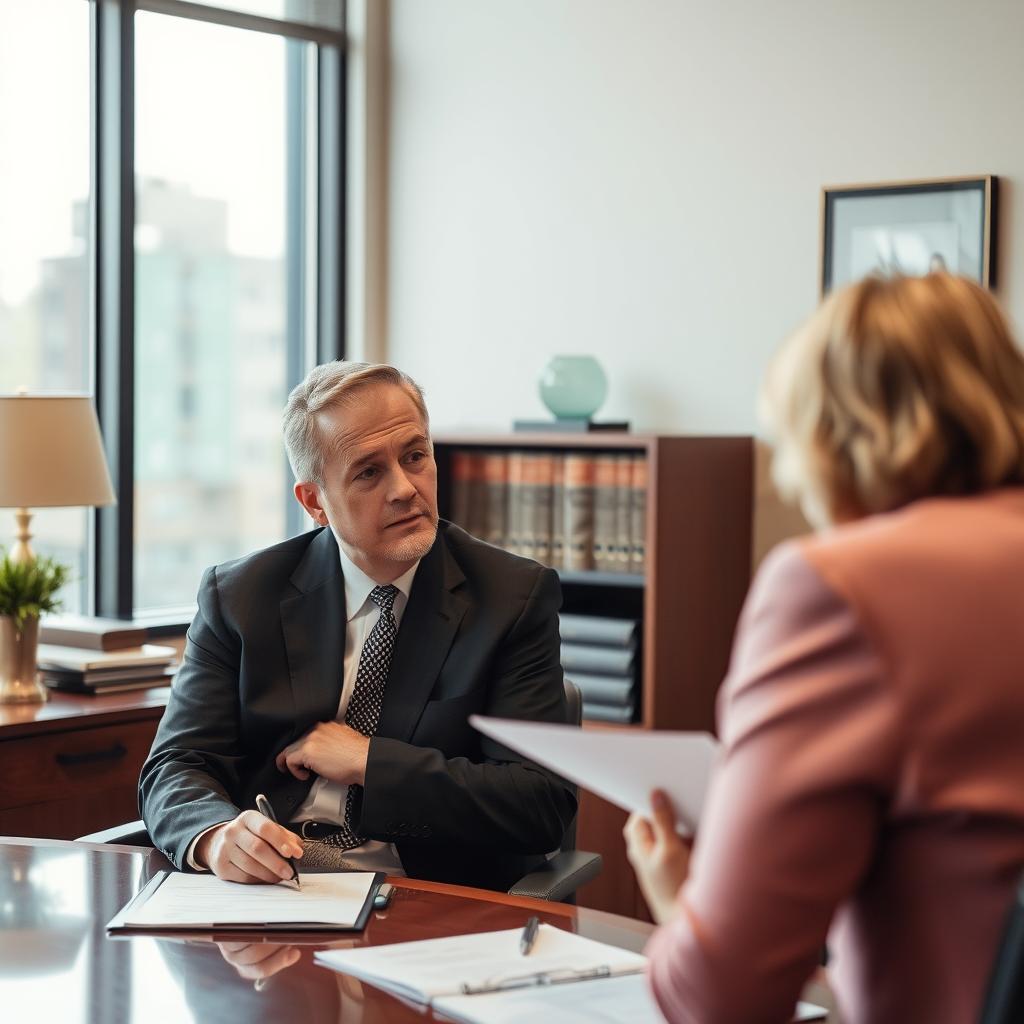
Licensing Agreement Lawyer in Bloomingdale, DC — Protect Your Intellectual Property
A licensing agreement is a critical contract granting rights to use intellectual property like trademarks, patents, or software. In Bloomingdale, DC, these agreements are governed by the DC Uniform Commercial Code and common law. Drafting errors can lead to costly disputes over royalties, scope, and enforcement. As a Licensing Agreement Lawyer Bloomingdale, Law Offices Of SRIS, P.C.
Understanding Licensing Agreements Under DC Law
In Washington, D.C., a licensing agreement is a legally binding contract where the owner of intellectual property (the licensor) grants permission to another party (the licensee) to use that IP under specified terms. These agreements are central to commerce in Bloomingdale and across the District, covering software, brand names, inventions, and creative works. The primary statutory framework is the DC Uniform Commercial Code (D.C. Code § 28:1-101 et seq.), particularly Article 2 governing the sale of goods, which courts often apply by analogy to licensing transactions involving software and other IP. General contract principles under DC common law also control, requiring clear terms on scope, territory, duration, payment, and termination.
Last verified: April 2026 | DC Superior Court | DC Council Code
Official Legal Resources
For the official text of DC commercial law, refer to the DC Official Code Title 28 (Commercial Instruments and Transactions). The DC Superior Court Civil Division handles breach of licensing agreement lawsuits and requests for injunctions to stop unauthorized use.
Key Considerations for Bloomingdale Licensing Agreements
Creating an enforceable licensing agreement in DC requires attention to local procedural nuances. The DC Superior Court’s Civil Division is where most licensing disputes are litigated. A common local procedural fact is the court’s use of mandatory mediation or alternative dispute resolution (ADR) programs early in a case, which can significantly impact strategy and timelines for resolving a breach.
- Define the Intellectual Property: Precisely identify the licensed IP (patent number, trademark registration, software version) in an exhibit attached to the agreement.
- Set Clear Financial Terms: Specify royalty rates, minimum payments, audit rights, and reporting schedules to prevent payment disputes.
- Outline Scope and Restrictions: Detail the licensed field of use, geographic territory (e.g., District of Columbia), duration, and any exclusivity.
- Plan for Disputes and Termination: Include choice of law (DC), forum selection (DC Superior Court), and clear procedures for breach and termination.
- Protect IP Integrity: Incorporate quality control standards for trademarks and confidentiality clauses to protect trade secrets.
Potential Consequences of a Licensing Dispute
In Bloomingdale, DC, a breach of a licensing agreement can lead to claims for monetary damages, injunctions, and in some cases, claims for tortious interference.
| Issue | Legal Classification | Potential Remedy | Financial Impact | Other Consequences |
|---|---|---|---|---|
| Non-Payment of Royalties | Breach of Contract | Damages + Interest | Unpaid amounts + costs | Termination of License |
| Use Beyond Licensed Scope | Breach / IP Infringement | Injunction + Damages | Lost profits / Infringer’s profits | Attorney’s Fees if provided |
| Failure to Maintain Quality | Breach / Trademark Dilution | Injunction + Termination | Cost to correct / Loss of brand value | Loss of trademark rights |
| Early Termination Without Cause | Breach of Contract | Damages for Lost Future Royalties | Projected revenue loss | Reputational harm |
Results may vary. Prior results do not aim for a similar outcome.
Why Choose Our Firm for Your Licensing Agreement Needs
Law Offices Of SRIS, P.C. was founded in 1997. Our firm brings a combined 120+ years of legal experience to complex business matters. Mr. Sris, the firm’s managing attorney, has a background in accounting and information systems, providing a distinct advantage in drafting and analyzing the financial and technical aspects of licensing agreements for software, technology, and other IP assets.
Approach to Licensing Agreement Matters
Our approach begins with a thorough understanding of your intellectual property and business goals. We then draft or review agreements with precision, focusing on clear definitions, strong financial terms, and enforceable protections. Should a dispute arise, our attorneys are prepared to enforce your rights in mediation or before the DC Superior Court. For secondary support on complex contract litigation, the firm’s experienced Of Counsel network is available.
Licensing Agreement Lawyer Near Bloomingdale, DC
Our Arlington location serves Bloomingdale, DC clients and is approximately 3 miles from the DC Superior Court, accessible via I-395 and I-66. We provide representation for licensing agreement matters across Washington, D.C., including the neighborhoods of Georgetown, Capitol Hill, Dupont Circle, Adams Morgan, Columbia Heights, U Street, and Bloomingdale.
Available 24/7 for phone consultations — meetings by appointment only.
Law Offices Of SRIS, P.C.
1655 Fort Myer Dr, Suite 700, Room No. 719
Arlington, VA 22209
Toll-Free: (888) 437-7747 | Local: 703-589-9250
By appointment only.
FAQs: Licensing Agreement Lawyer Bloomingdale
What is the difference between an exclusive and non-exclusive license?
An exclusive license grants rights to only one licensee, often within a defined field or territory, preventing the licensor from granting rights to others. A non-exclusive license allows the licensor to grant similar rights to multiple licensees. The choice significantly impacts the value and control of your intellectual property.
Can a licensing agreement be terminated early?
It depends. Termination rights are governed by the contract’s terms. Most agreements allow termination for material breach (like non-payment) or at the end of a defined term. Terminating without a contractual right can itself be a breach, exposing the terminating party to a claim for damages.
What should I do if someone is using my IP outside the scope of our license?
First, review the license agreement to confirm the breach. Then, formally notify the licensee in writing, citing the specific violation. If the unauthorized use continues, legal action for breach of contract and possibly copyright or trademark infringement may be necessary to seek an injunction and damages.
Why do I need an intellectual property licensing lawyer Bloomingdale for a standard form contract?
Standard forms rarely address the unique aspects of your IP, business model, or DC-specific legal nuances. An intellectual property licensing lawyer Bloomingdale can tailor the agreement to protect your assets, ensure enforceable royalty structures, and include favorable dispute resolution terms, potentially saving significant costs and conflict later.
How are royalty disputes typically resolved?
Most license agreements include audit clauses allowing the licensor to examine the licensee’s records. If a discrepancy is found, the parties often negotiate a settlement. If negotiation fails, resolution proceeds through the dispute mechanism in the contract, which may be mediation, arbitration, or litigation in DC Superior Court.
Internal Resources: For broader business legal needs, see our Washington, D.C. Business Lawyer page. To understand related litigation processes, visit our Washington, D.C. Civil Litigation Lawyer page. Our parent hub for this practice area is Contract Lawyer DC.
Page Last verified: April 2026. Laws and procedures change. Contact Law Offices Of SRIS, P.C. at (888) 437-7747 for the most current guidance regarding your licensing agreement matter in Bloomingdale, DC.