
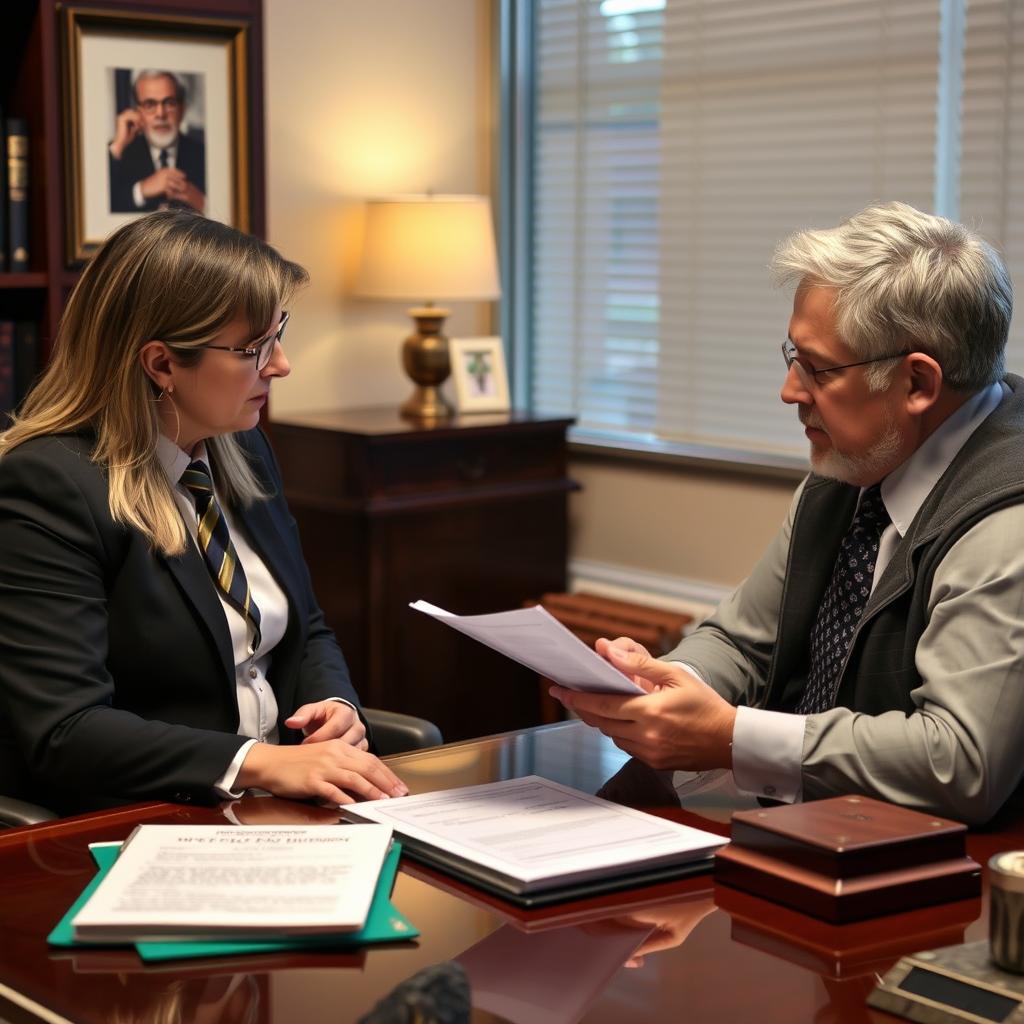
Monmouth County Malnutrition or Dehydration Lawyer — What Are Your Legal Options?
Malnutrition or dehydration in a Monmouth County nursing home is a serious sign of neglect, potentially violating New Jersey’s stringent care standards. The Law Offices Of SRIS, P.C. provides focused legal representation for families seeking accountability. If you suspect neglect, contact our Monmouth County malnutrition or dehydration lawyer for a case review. We offer 24/7 phone consultations to discuss your concerns.
Understanding Malnutrition and Dehydration as Legal Neglect in New Jersey
In New Jersey, nursing homes are legally obligated to provide a level of care that prevents avoidable harm, including malnutrition and dehydration. These conditions are not merely medical issues; they are often clear indicators of systemic neglect, such as inadequate staffing, poor care planning, or failure to monitor residents’ nutritional intake and hydration status. When a facility fails in this duty, it may be liable for damages.
Last verified: April 2026 | Monmouth County Superior Court | New Jersey Legislature.
The firm’s founder, a former prosecutor, established the practice in 1997 with a commitment to rigorous advocacy. This foundational experience informs our approach to building compelling cases that demonstrate a facility’s breach of its duty of care.
Official Legal Resources and Statutes
New Jersey law establishes the framework for nursing home care and resident rights. Key statutes and regulations set the standard of care that facilities must meet. For the official text of New Jersey’s nursing home regulations, you can review the state’s health and senior services statutes. For matters filed in Monmouth County, the Monmouth County Superior Court website provides information on civil procedures and filing.
Procedural Insights for Monmouth County Nursing Home Cases
Pursuing a malnutrition or dehydration claim in Monmouth County involves specific legal steps. These cases typically require demonstrating that the nursing home deviated from the accepted standard of care, directly causing harm. Evidence can include medical records, staffing logs, and experienced testimony from nutritionists or geriatric care specialists.
- Gather Documentation: Secure all medical records, care plans, and communication with the facility regarding your loved one’s nutritional and hydration status.
- File a Notice: Notify the facility and the New Jersey Department of Health of your intent to investigate potential neglect.
- Secure experienced Review: A medical experienced must review the records to establish the link between the facility’s care and the malnutrition or dehydration.
- Initiate the Lawsuit: File a civil complaint in Monmouth County Superior Court, outlining the allegations of negligence.
- Engage in Discovery: Exchange evidence with the defense, which may include depositions of staff and administrators.
Why Choose Our Firm for Your Case
Founded in 1997, the Law Offices Of SRIS, P.C. brings a long-term perspective to complex civil litigation. Our firm-wide experience spans thousands of cases, providing a deep understanding of how to investigate institutional negligence and present compelling evidence. We focus on the specific, documented failures that lead to resident harm.
Mr. Sris, the firm’s founder, leverages his background as a former prosecutor to approach cases with a detail-oriented, evidence-based strategy. This is crucial in malnutrition and dehydration cases, where the defense often attempts to shift blame to the resident’s pre-existing conditions.
Our Approach to Malnutrition and Dehydration Claims
We approach each case by first conducting a full review of all facility records to identify patterns of neglect. Success in these cases often hinges on demonstrating that the facility had notice of a resident’s declining condition and failed to act. Our goal is to secure compensation that accounts for medical expenses, pain and suffering, and to enforce higher standards of care.
Results may vary. Prior results do not aim for a similar outcome.
Local Presence and Accessibility in Monmouth County
Our firm is positioned to serve clients throughout Monmouth County. We understand the local legal field and are accessible to families seeking guidance. If you need an affordable malnutrition or dehydration lawyer Monmouth County residents can consult, we offer clear options for representation.
Law Offices Of SRIS, P.C.
By appointment only.
Toll-Free: (888) 437-7747 | Local: (838)-292-0003
24/7 phone consultations. Meetings by appointment only.
We serve communities across Monmouth County, including Long Branch, Red Bank, Freehold, and surrounding areas. Our malnutrition or dehydration lawyer near me Monmouth County service is designed for convenient access to legal support when you need it most.
Frequently Asked Questions
What is the first step if I suspect malnutrition or dehydration in a nursing home?
Yes. The first step is to document your concerns and request a meeting with the facility’s director of nursing and administrator. Simultaneously, contact a lawyer to discuss preserving evidence and your legal rights before notifying state agencies.
How long do I have to file a lawsuit for nursing home neglect in New Jersey?
It depends. New Jersey generally has a two-year statute of limitations for personal injury and wrongful death claims, starting from the date the harm was discovered. However, specific circumstances can affect this timeline, making immediate legal consultation critical.
What kind of compensation can be sought in a malnutrition case?
Compensation may cover medical bills for treating the malnutrition/dehydration, costs of transfer to a new facility, pain and suffering, and in cases of egregious neglect, potentially punitive damages designed to punish the facility and deter future misconduct.
Can I still take action if my loved one has passed away?
Yes. The estate of a deceased resident may pursue a wrongful death lawsuit if malnutrition or dehydration contributed to their passing. A survival action may also be possible for the pain and suffering the resident endured prior to death.
Why do I need a lawyer instead of just reporting to the state?
While reporting to the New Jersey Department of Health is important for regulatory oversight, it does not secure financial compensation for your family. A malnutrition or dehydration lawyer Monmouth County trust can build a civil case to recover damages and hold the facility financially accountable.
If you are seeking a dedicated malnutrition or dehydration lawyer Monmouth County families rely on, contact us to discuss the specific details of your situation. We provide clear legal analysis of your options.
Last verified: April 2026. Laws and procedures change. Contact Law Offices Of SRIS, P.C. for the most current guidance regarding your case.
Under Va. Code § 13.1-1000 et seq., state law governs this practice area.