
New Jersey Vawa Lawyer — How Can You Secure Your Status?
If you are a survivor of domestic violence, a New Jersey Vawa lawyer from Law Offices Of SRIS, P.C. can provide critical legal help. The Violence Against Women Act (VAWA) allows certain abused spouses, children, and parents of U.S. citizens or lawful permanent residents to self-petition for a green card without the abuser’s knowledge.
What Is a VAWA Self-Petition?
The Violence Against Women Act (VAWA) provides a path to lawful immigration status for victims of battery or extreme cruelty by a U.S. citizen or lawful permanent resident family member. This federal law, found in the Immigration and Nationality Act (INA), allows eligible individuals to file a self-petition (Form I-360) without relying on the abusive family member. A successful petition can lead to a green card and work authorization, offering independence and safety.
Last verified: April 2026 | U.S. Citizenship and Immigration Services (USCIS) | Federal immigration statutes.
Official Immigration Resources
Understanding the official requirements is crucial. You can review the official USCIS page for Form I-360 for filing instructions. For broader policy and legal information, refer to the U.S. Department of Justice Office on Violence Against Women.
The VAWA Petition Process in New Jersey
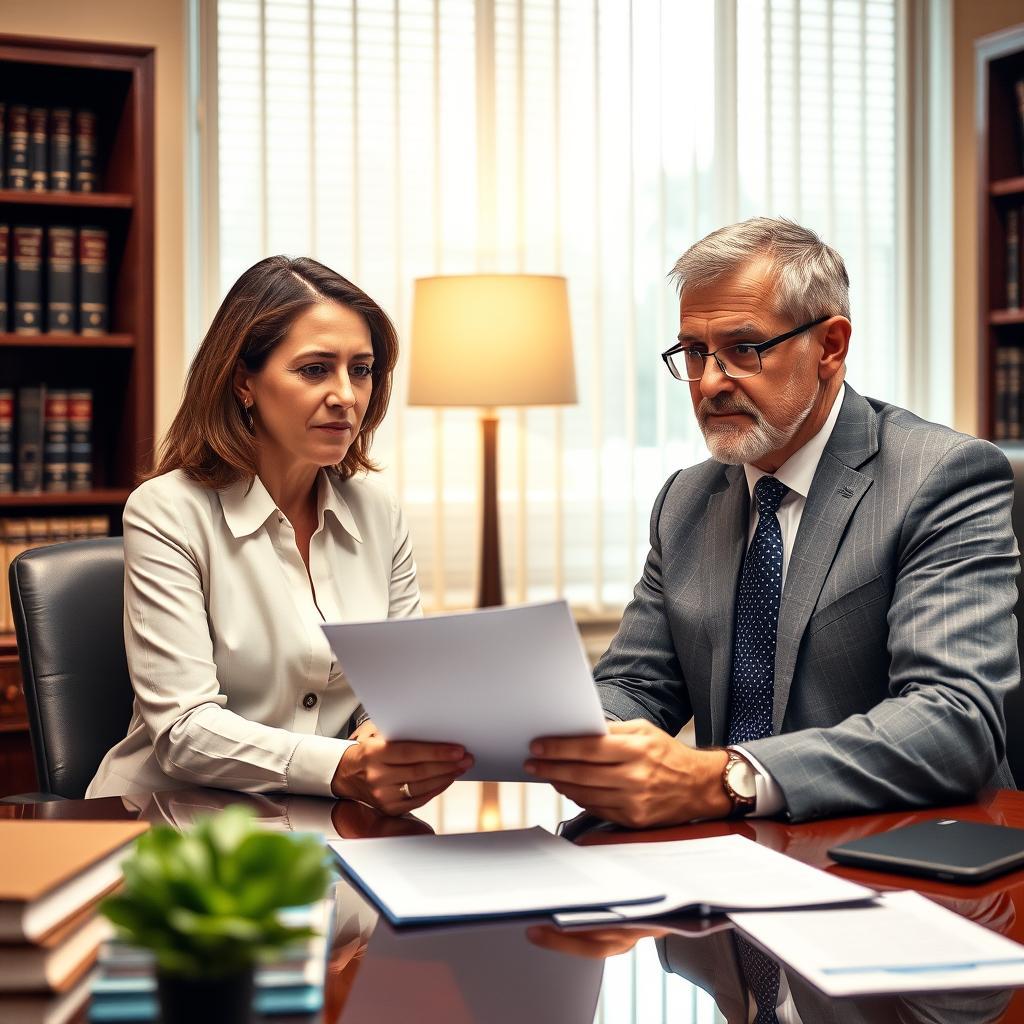
Filing a VAWA petition requires meticulous preparation of evidence to prove the qualifying relationship, the abuser’s status, your good moral character, and that you resided with the abuser. You must also provide substantial evidence of the battery or extreme cruelty. In New Jersey, gathering documents like police reports, medical records, psychological evaluations, affidavits from witnesses, and proof of cohabitation is a critical step. An experienced lawyer can help compile this evidence into a persuasive narrative for USCIS.
- Schedule a confidential consultation with a New Jersey Vawa lawyer to assess your eligibility.
- Gather all evidence of the abuse, the relationship, cohabitation, and your good moral character.
- Your attorney will prepare and file the Form I-360 self-petition with supporting documentation and a detailed personal declaration.
- Monitor the case and respond to any Requests for Evidence (RFE) from USCIS.
- Upon approval, proceed with the adjustment of status application to obtain a green card.
Potential Benefits of a VAWA Petition
In New Jersey, an approved VAWA self-petition can provide lawful permanent residency, work authorization, and a path to safety and independence from an abuser.
Why Choose Our Firm for Your VAWA Case
Law Offices Of SRIS, P.C. was founded in 1997. Our firm brings a deep understanding of both family dynamics and complex immigration law. We approach every VAWA case with the sensitivity and discretion it requires, focusing on securing your safety and legal status. We have handled numerous sensitive immigration matters, guiding clients through the evidentiary challenges of self-petitions.
Seeking Legal Help for VAWA in New Jersey
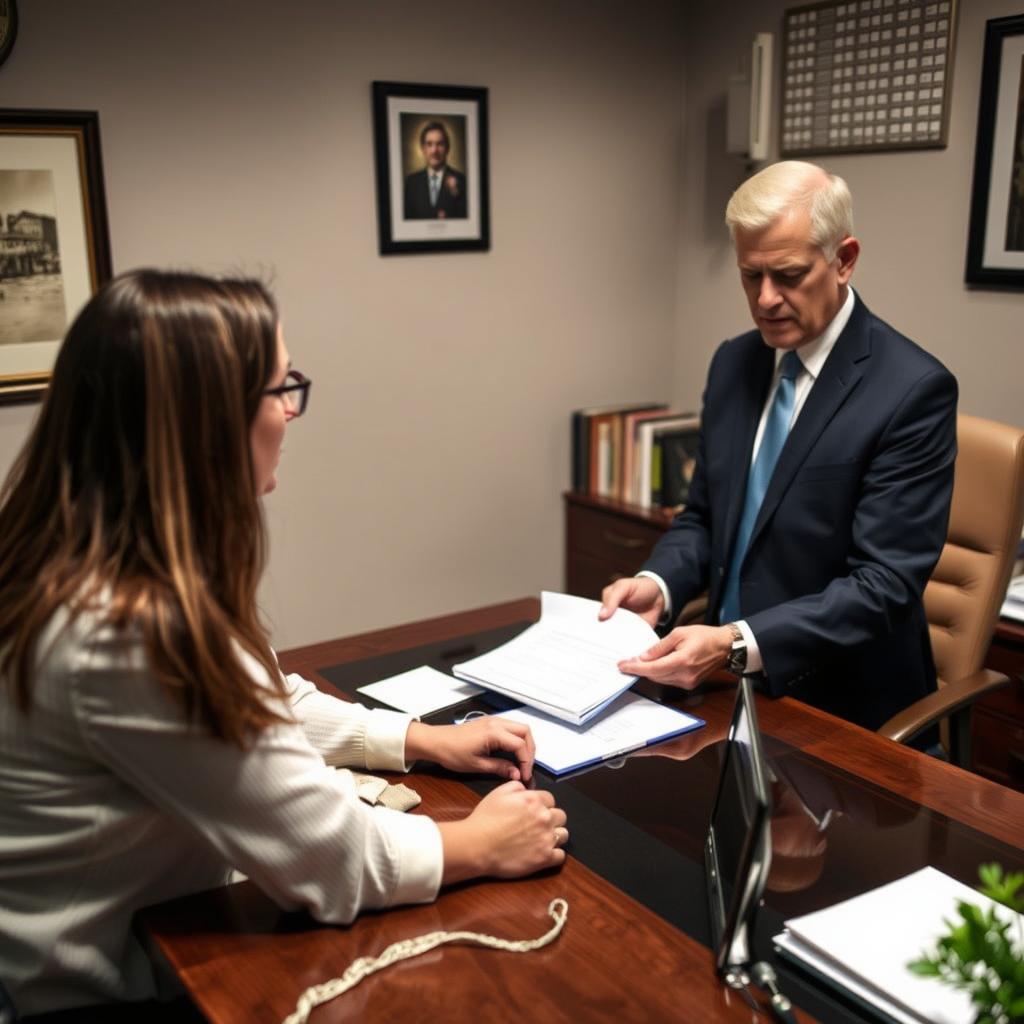
If you are considering a VAWA self-petition, obtaining experienced legal help is vital. The process is evidentiary intensive and handling it alone can be overwhelming. A dedicated attorney can protect your confidentiality, help you gather the right evidence, and present a compelling case to USCIS.
Results may vary. Prior results do not aim for a similar outcome.
Law Offices Of SRIS, P.C.
44 Apple St, 1st Floor
Tinton Falls, NJ 07724
Toll-Free: (888) 437-7747 | Local: (609)-983-0003 | Local: (732) 314-6117
By appointment only. 24/7 phone consultations available.
Our Tinton Falls location serves survivors across New Jersey. We provide confidential legal consultations for VAWA petitions and other immigration matters.
Frequently Asked Questions
Can I file a VAWA petition if I am divorced from my abuser?
Yes. You can file a VAWA self-petition if you file within two years of the divorce, and you can show the battery or cruelty was a central reason for the divorce.
Does VAWA only apply to women?
No. Despite its name, the Violence Against Women Act protections are available to all qualifying victims, regardless of gender, including men and children.
What evidence do I need for a VAWA case?
It depends. USCIS requires evidence of the abuser’s status, the qualifying relationship, cohabitation, your good moral character, and the abuse. This can include police reports, medical records, court orders, affidavits, photos, and correspondence. A lawyer can help you identify the strongest evidence for your situation.
Will my abuser be notified if I file a VAWA petition?
No. A core protection of VAWA is confidentiality. USCIS policies prohibit contacting the abuser, and the self-petition is filed independently of them.
How long does the VAWA process take?
Processing times vary by USCIS service center, but it typically takes several months to over a year for an initial decision. Having an attorney ensure your petition is complete can help avoid delays from Requests for Evidence.
Under N.J. Stat. § 14A:1-1, state law governs this practice area.