
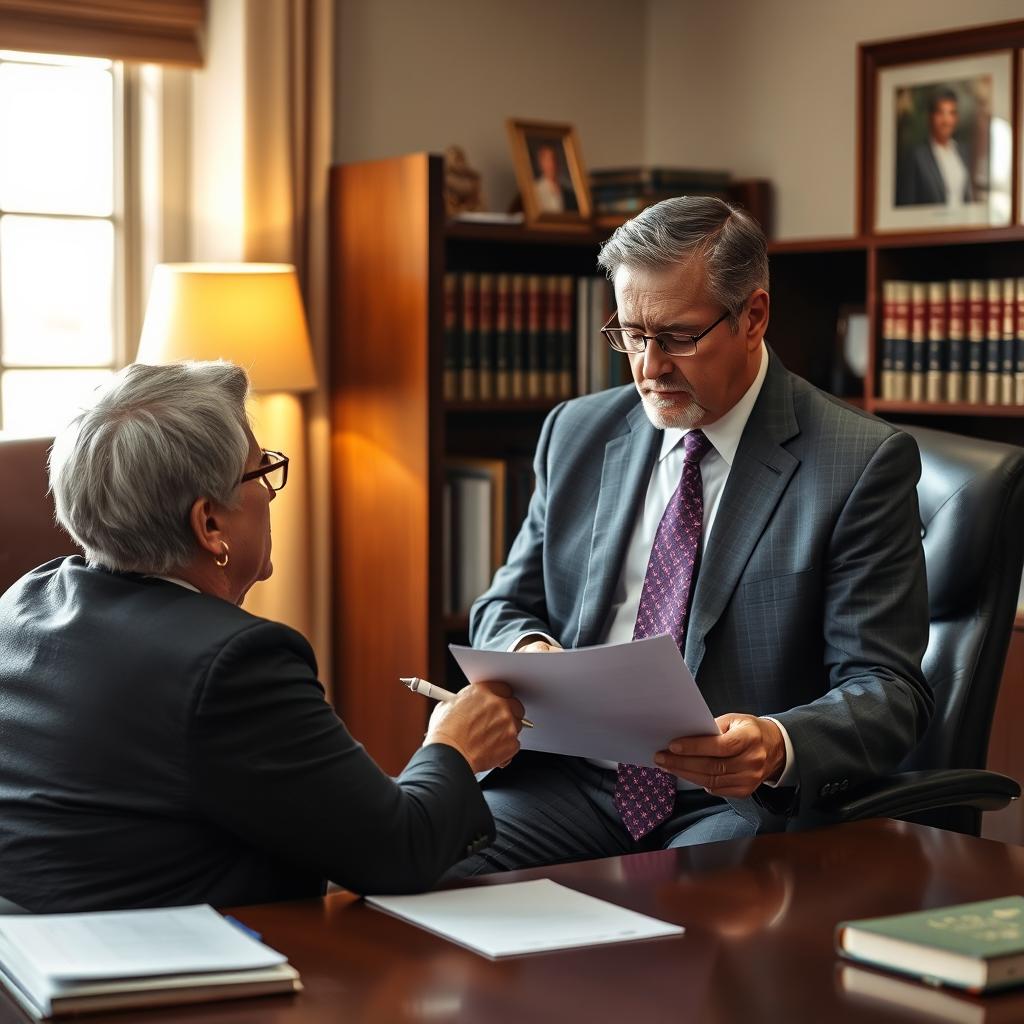
Nursing Home Abuse Lawyer Prince Georges County — What Are Your Family’s Rights?
Nursing home abuse and neglect in Prince George’s County can lead to serious injury or wrongful death under Maryland law. If you suspect mistreatment of an elderly loved one, a Nursing Home Abuse Lawyer Prince Georges County from Law Offices Of SRIS, P.C. can investigate and pursue an elder abuse claim. We provide 24/7 consultations to protect vulnerable residents.
Understanding Nursing Home Abuse and Neglect in Maryland
Maryland law provides specific protections for residents of long-term care facilities. Abuse can be physical, emotional, sexual, or financial. Neglect, often a form of nursing home negligence, involves the failure to provide necessary care, skilled to harm like bedsores, malnutrition, dehydration, or medication errors. The Maryland Health-General Code, Title 19, outlines the rights of residents and the obligations of facilities.
Last verified: April 2026 | Prince George’s County Circuit Court | Maryland General Assembly.
Official Legal Resources
For the official text of Maryland’s laws governing long-term care, you can review the Maryland Health-General Code, Title 19 (official Maryland General Assembly site). Court procedures for filing a civil lawsuit can be found at the Maryland Judiciary website.
Local Procedural Insights for Prince George’s County
Pursuing an elder abuse claim lawyer Prince George’s County case requires specific steps. Evidence must be gathered promptly, including medical records, photographs, and witness statements. Maryland has a statute of limitations, so time is critical. In Prince George’s County, these cases are typically filed in the Circuit Court.
- Document Everything: Keep a detailed journal of incidents, changes in your loved one’s condition, and all communications with the facility.
- Secure Medical Records: Obtain complete medical records from the nursing home and any subsequent hospital visits.
- Report the Abuse: File a report with the Maryland Department of Health’s Office of Health Care Quality, which licenses and inspects facilities.
- Consult a Specialized Attorney: Speak with a lawyer experienced in nursing home cases to understand your legal options and rights.
- Preserve Evidence: Your attorney will send a preservation letter to the facility to prevent the destruction of relevant records and video.
- File a Civil Claim: If settlement talks fail, your attorney will file a lawsuit to seek compensation for damages.
Potential Damages and Outcomes
In Prince George’s County, a successful nursing home abuse or neglect case can recover damages for medical expenses, pain and suffering, and in cases of wrongful death, funeral costs and loss of companionship.
Results may vary. Prior results do not aim for a similar outcome.
Why Choose Our Firm for Your Elder Abuse Case
Founded in 1997, Law Offices Of SRIS, P.C. operates with the principle of “Advocacy Without Borders.” Our firm brings a combined 120+ years of legal experience to complex cases. We understand the sensitive nature of elder abuse claims and approach each case with the urgency and compassion families deserve during a difficult time.
Our Approach to Nursing Home Cases
We immediately work to secure all relevant evidence, consult with medical experts to establish the standard of care and causation, and calculate the full extent of damages. Our goal is to hold negligent facilities accountable and obtain the resources needed for your loved one’s care and recovery.
Results may vary. Prior results do not aim for a similar outcome.
Contact a Nursing Home Abuse Lawyer Prince Georges County
Law Offices Of SRIS, P.C.
24/7 Phone Consultations
Toll-Free: (888) 437-7747 | Local: (888) 437-7747
By appointment only.
We serve families throughout Prince George’s County and the surrounding region.
Frequently Asked Questions
What are the signs of nursing home neglect?
Yes. Common signs include unexplained weight loss, dehydration, bedsores (pressure ulcers), poor personal hygiene, frequent infections, falls, and sudden changes in behavior or mood. Medication errors and unsanitary living conditions are also red flags.
Who can file a nursing home abuse lawsuit in Maryland?
It depends. The resident themselves can file if competent. Otherwise, a legal guardian, family member, or the personal representative of the resident’s estate (in a wrongful death case) may have standing to file a lawsuit on their behalf.
How long do I have to file a nursing home lawsuit in Maryland?
Generally, three years. Maryland’s statute of limitations for personal injury and wrongful death is typically three years from the date the injury was discovered or should have been discovered. However, specific circumstances can affect this deadline, so immediate consultation is crucial.
What is the difference between abuse and negligence in a nursing home?
Abuse involves an intentional act to cause harm, such as hitting or stealing. Negligence, often handled by a nursing home negligence lawyer Prince George’s County, involves a failure to act with reasonable care, like not turning a patient to prevent bedsores or not providing adequate food and water.
Can I sue a nursing home for a fall?
It depends. If the fall resulted from the facility’s negligence—such as failure to provide adequate supervision, assistive devices, or a safe environment—you may have grounds for a claim. Not all falls are automatically due to negligence, so each case requires investigation.
Maryland Nursing Home Abuse Lawyer | Nursing Home Abuse Lawyer Montgomery County | Personal Injury Lawyer Prince George’s County
Page Last verified: April 2026. Laws and procedures change. Contact Law Offices Of SRIS, P.C. at (888) 437-7747 for current legal guidance regarding nursing home abuse.
Under Va. Code § 13.1-1000 et seq., state law governs this practice area.