
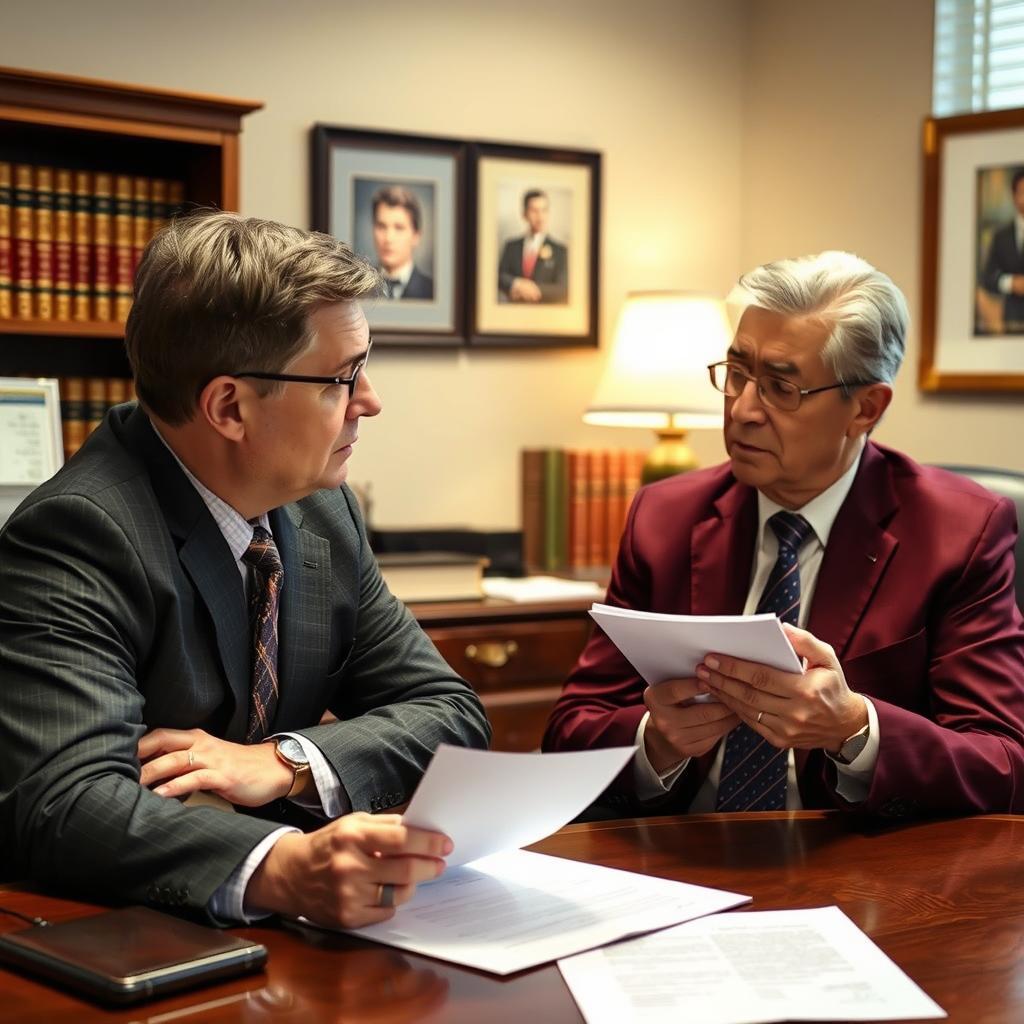
Post Mortem Planning Lawyer New Jersey — How Do You Protect Your Legacy?
Post mortem planning in New Jersey involves legally arranging your assets and wishes after death, governed by state statutes like N.J. Stat. § 3B:1-1. Without a proper plan, your estate faces probate court, potential family disputes, and unnecessary taxes. A post mortem planning lawyer New Jersey from Law Offices Of SRIS, P.C.
What Is Post Mortem Planning Under New Jersey Law?
Post mortem planning, often called estate planning, is the legal process of preparing for the management and distribution of a person’s assets after their death. In New Jersey, this area is primarily governed by Title 3B of the New Jersey Statutes, the state’s probate code. The goal is to ensure your property passes to your chosen beneficiaries with minimal legal delay, tax burden, or family conflict. Key documents include a Last Will and Testament, various types of trusts, financial and healthcare powers of attorney, and advance medical directives.
Last verified: April 2026 | New Jersey Superior Court, Chancery Division, Probate Part | New Jersey Legislature
Official New Jersey Estate Planning Resources
Understanding the legal framework is important for effective post mortem planning. The New Jersey Legislature website provides access to the full text of Title 3B. For procedural matters related to wills and probate, the New Jersey Courts self-help guide on probate offers valuable public information on the administration process.
The Local Process for Estate Administration in New Jersey
The probate process for a will in New Jersey begins in the Superior Court, Chancery Division, Probate Part, in the county where the deceased person resided. If you die without a will (intestate), the court appoints an administrator and distributes your assets according to a strict formula defined by N.J. Stat. § 3B:5-3, which may not reflect your personal wishes. A common local procedural fact is that New Jersey has an inheritance tax that applies to certain beneficiaries, which is separate from the federal estate tax.
- Gather all financial records, deeds, titles, and beneficiary designations.
- Consult with a post mortem planning lawyer to assess your assets and family situation.
- Draft and execute core documents: Will, Durable Power of Attorney, Advance Healthcare Directive, and any necessary trusts.
- Formally name an executor in your will and ensure they know the location of your documents.
- Review and update your plan every 3-5 years or after major life events like marriage, divorce, or the birth of a child.
Consequences of Inadequate Post Mortem Planning
In New Jersey, dying without a valid post mortem plan can lead to a lengthy probate process, family disputes, and assets passing contrary to your intentions under state intestacy laws.
While there are no direct “penalties” for not having a plan, the negative consequences for your heirs are significant:
- Probate Costs & Delays: Court fees, executor fees, and attorney fees for probate administration can significantly reduce the estate’s value, and the process can take many months.
- Intestate Succession: State law (N.J. Stat. § 3B:5-3) dictates who inherits, which may exclude unmarried partners, close friends, or charities you wished to support.
- Family Conflict: Without clear instructions, disputes among potential heirs can lead to costly and emotionally draining will contests.
- Guardianship for Minor Children: The court decides who will care for your minor children if you and the other parent are deceased, without your input.
- Tax Inefficiency: Lack of proper trust structures or gifting strategies can result in a higher New Jersey inheritance tax burden for your beneficiaries.
Results may vary. Prior results do not guarantee a similar outcome.
Why Choose Our Firm for Your New Jersey Estate Plan?
Founded in 1997, Law Offices Of SRIS, P.C. brings decades of combined legal experience to estate planning. Our firm-wide “Advocacy Without Borders” philosophy means we approach each client’s legacy with dedicated, personalized attention. We understand that post mortem planning is deeply personal, and we work to create clear, legally sound documents that provide peace of mind for you and your family.
Our Approach to Post Mortem Planning Cases
Our firm has assisted numerous clients in New Jersey with full estate plans. We focus on understanding your unique family dynamics and financial picture to build a plan that avoids probate where possible, minimizes tax exposure, and provides clear guidance for your loved ones. For example, we have successfully structured revocable living trusts for clients to ensure a smooth, private transfer of assets outside of the public probate process.
Results may vary. Prior results do not guarantee a similar outcome.
Law Offices Of SRIS, P.C.
By appointment only.
Toll-Free: (888) 437-7747
24/7 phone consultations — meetings by appointment only.
Our New Jersey presence allows us to serve clients across the state. We represent individuals in communities like Newark, Jersey City, Paterson, and Elizabeth, ensuring your post mortem planning lawyer is familiar with local court procedures.
Frequently Asked Questions: Post Mortem Planning in NJ
What is the difference between a will and a trust in New Jersey?
Yes, there is a key difference. A will directs asset distribution after death but must go through probate court. A trust holds assets during your life and distributes them after death, often avoiding probate, which can save time and money for your beneficiaries.
Do I need a post mortem planning lawyer near me New Jersey, or can I use online forms?
It depends. Online forms are generic and may not address New Jersey-specific laws, tax issues, or your unique family situation. A local post mortem planning lawyer near me New Jersey ensures your documents are legally valid, reflect your precise wishes, and can help your executor handle the local probate court.
Is there an affordable post mortem planning lawyer New Jersey?
Yes. Many firms, including ours, offer flat-fee packages for basic estate plans (will, powers of attorney, advance directive). An affordable post mortem planning lawyer New Jersey provides important protection at a predictable cost, which is far less expensive than the potential costs of probate or family litigation without a plan.
What happens if I die without a will in New Jersey?
You die “intestate.” New Jersey law (N.J. Stat. § 3B:5-3) will determine your heirs and an administrator for your estate. Your spouse, children, or parents will inherit according to a statutory formula, which may not match your personal desires and guarantees a probate proceeding.
Can I change my will after it’s signed?
Yes. You can update your will through a codicil (an amendment) or by creating a new will that revokes the old one. It is essential to formally execute changes with the same legal formalities to ensure they are valid.
What is a power of attorney, and why do I need one?
A power of attorney grants legal authority to a trusted person (your “agent”) to manage your financial affairs if you become incapacitated. Without one, your family may need to go to court to appoint a guardian, which is a public, costly, and time-consuming process.
Related Practice Areas: If you are dealing with the administration of an estate after a death, you may need a New Jersey probate lawyer. For business owners, integrating your plan with your company requires a New Jersey business lawyer.
We Serve All of New Jersey: Whether you are in Newark, Jersey City, or elsewhere, our firm can help. For a broader overview of our estate planning services, visit our New Jersey estate planning hub page.
Page last verified and updated: April 2026. Laws change. Contact Law Offices Of SRIS, P.C. at (888) 437-7747 for current legal guidance regarding post mortem planning in New Jersey.