
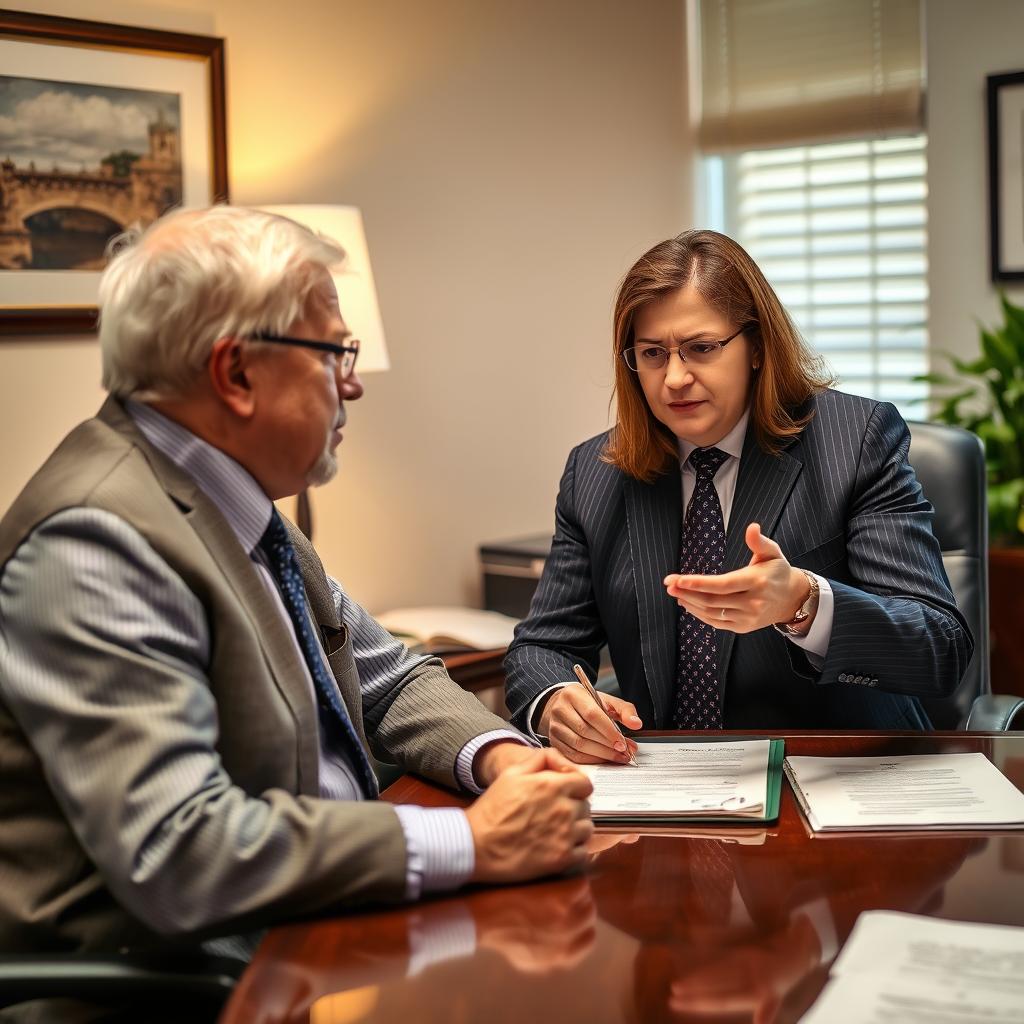
Post Mortem Planning Lawyer in Warren County, NY
Post mortem planning in Warren County involves the legal and financial steps taken after a death, primarily estate administration and probate under New York Surrogate’s Court Procedure Act (SCPA). Law Offices Of SRIS, P.C. provides experienced guidance for executors and beneficiaries handling this process in the Warren County Surrogate’s Court.
Understanding Post Mortem Planning in New York
Post mortem planning, often referred to as estate administration, is the legal process that occurs after an individual’s death. It involves proving the validity of a will (probate), appointing an executor or administrator, inventorying the deceased’s assets, paying valid debts and taxes, and ultimately distributing the remaining property to the rightful beneficiaries or heirs. In New York, this process is governed by the Surrogate’s Court Procedure Act (SCPA) and the Estates, Powers and Trusts Law (EPTL). The primary goal is to ensure the decedent’s wishes are carried out efficiently and in compliance with state law, while protecting the interests of all parties involved.
Last verified: April 2026 | Warren County Surrogate’s Court | New York State Legislature
Official Legal Resources
For the official statutes governing estate administration in New York, refer to the Surrogate’s Court Procedure Act (SCPA) on the New York State Senate website. The Warren County Surrogate’s Court website provides local forms, filing fees, and procedural information for post mortem planning matters.
Local Procedural Insights for Warren County
The Warren County Surrogate’s Court handles all probate and estate administration matters. The process begins with filing a petition for probate (if there is a will) or for letters of administration (if there is no will). New York law imposes strict timelines for certain actions, such as the executor’s requirement to file an inventory of assets. The court oversees the entire process to ensure fiduciary duties are met and creditors are properly notified.
- Secure the Original Will and Death Certificates: Locate the original will and obtain multiple certified copies of the death certificate.
- File the Petition with Surrogate’s Court: File the appropriate petition (Probate or Administration) with the Warren County Surrogate’s Court along with the required filing fees.
- Notify Required Parties: Provide formal legal notice to all beneficiaries, heirs, and known creditors as required by SCPA.
- Manage the Estate Assets: Inventory all assets, open an estate bank account, pay valid debts and expenses, and manage property.
- File Tax Returns: File the decedent’s final income tax returns and any required federal or New York estate tax returns.
- Distribute Assets and Close the Estate: After obtaining court approval, distribute the remaining assets to beneficiaries and file a final accounting to close the estate.
Responsibilities and Potential Liabilities
In Warren County, an executor or administrator has a fiduciary duty to manage the estate prudently, which includes accurate accounting, impartiality, and adherence to court orders. Failure to fulfill these duties can result in personal liability.
| Fiduciary Role | Primary Duty | Key Responsibilities | Potential Liabilities |
|---|---|---|---|
| Executor (Named in Will) | Execute the terms of the will. | Probate the will, manage assets, pay debts, distribute inheritance. | Mismanagement of assets, favoritism, missing tax deadlines. |
| Administrator (No Will) | Administer estate per NY intestacy laws. | Petition for appointment, identify heirs, distribute assets by law. | Improper heir identification, failure to follow statutory distribution scheme. |
Results may vary. Prior results do not aim for a similar outcome.
Firm Experience in Estate Matters
Law Offices Of SRIS, P.C. was founded in 1997 by former prosecutor Mr. Sris. With over 120 years of combined legal experience, our firm understands the procedural demands of New York Surrogate’s Courts. We assist clients in Warren County with the post mortem planning process, from guiding executors through their duties to representing beneficiaries in estate disputes. Our approach focuses on clear communication and diligent management of the legal details involved in estate administration.
Post Mortem Planning Guidance
Our firm provides representation for individuals involved in the post mortem planning process in Warren County. We advise executors and administrators on fulfilling their fiduciary obligations, help handle the probate court system, and work to resolve disputes among beneficiaries to avoid protracted litigation. We aim to simplify a complex process for our clients.
Results may vary. Prior results do not aim for a similar outcome.
Local Access for Warren County Residents
Law Offices Of SRIS, P.C.
New York Location — Buffalo/NY area
By appointment only.
Toll-Free: (888) 437-7747 | Local: (838) 292-0003
24/7 phone consultations — meetings by appointment only.
Our New York location serves clients with post mortem planning matters in Warren County. We represent individuals in Lake George, Glens Falls, Queensbury, Bolton Landing, Warrensburg, Chestertown, and North Creek. For an affordable post mortem planning lawyer Warren County residents can consult, contact us to discuss your role as an executor or beneficiary.
Post Mortem Planning Lawyer Warren County FAQ
What does a post mortem planning lawyer near me Warren County do?
Yes. A post mortem planning lawyer assists executors, administrators, and beneficiaries with the legal process after a death. This includes guiding you through probate in Warren County Surrogate’s Court, preparing and filing required documents, managing estate assets, resolving creditor claims, ensuring tax compliance, and handling disputes among heirs.
How long does estate administration take in Warren County?
It depends. A simple, uncontested estate with few assets may be settled in 6 to 12 months. Complex estates with disputes, hard-to-value assets, or tax issues can take 18 months to several years. The timeline is set by New York law and the Warren County Surrogate’s Court’s schedule.
What if there is no will?
If a person dies without a will (intestate), New York’s Estates, Powers and Trusts Law (EPTL) determines how assets are distributed to surviving spouses, children, and other relatives. The Surrogate’s Court will appoint an administrator, who performs duties similar to an executor but follows the statutory distribution scheme.
Can an executor be held personally liable?
Yes. An executor is a fiduciary and can be held personally liable for mistakes such as mismanaging estate assets, failing to pay taxes, improperly distributing assets, or showing favoritism to one beneficiary. This is why legal guidance from a post mortem planning lawyer is critical.
What are the typical costs involved?
Costs include Surrogate’s Court filing fees (e.g., for probate petitions), legal fees for representation, executor commissions (fees the executor is entitled to by law), costs for appraisals, accounting, and taxes. An attorney can provide a detailed estimate based on your specific situation.
Internal Resources: For broader context, see our New York Civil Litigation Lawyer hub. Residents may also find relevant information on Warren County Business Law or Warren County Contract Law pages.
Last verified: April 2026. Laws change. Contact Law Offices Of SRIS, P.C. at (888) 437-7747 for current guidance on post mortem planning in Warren County.