
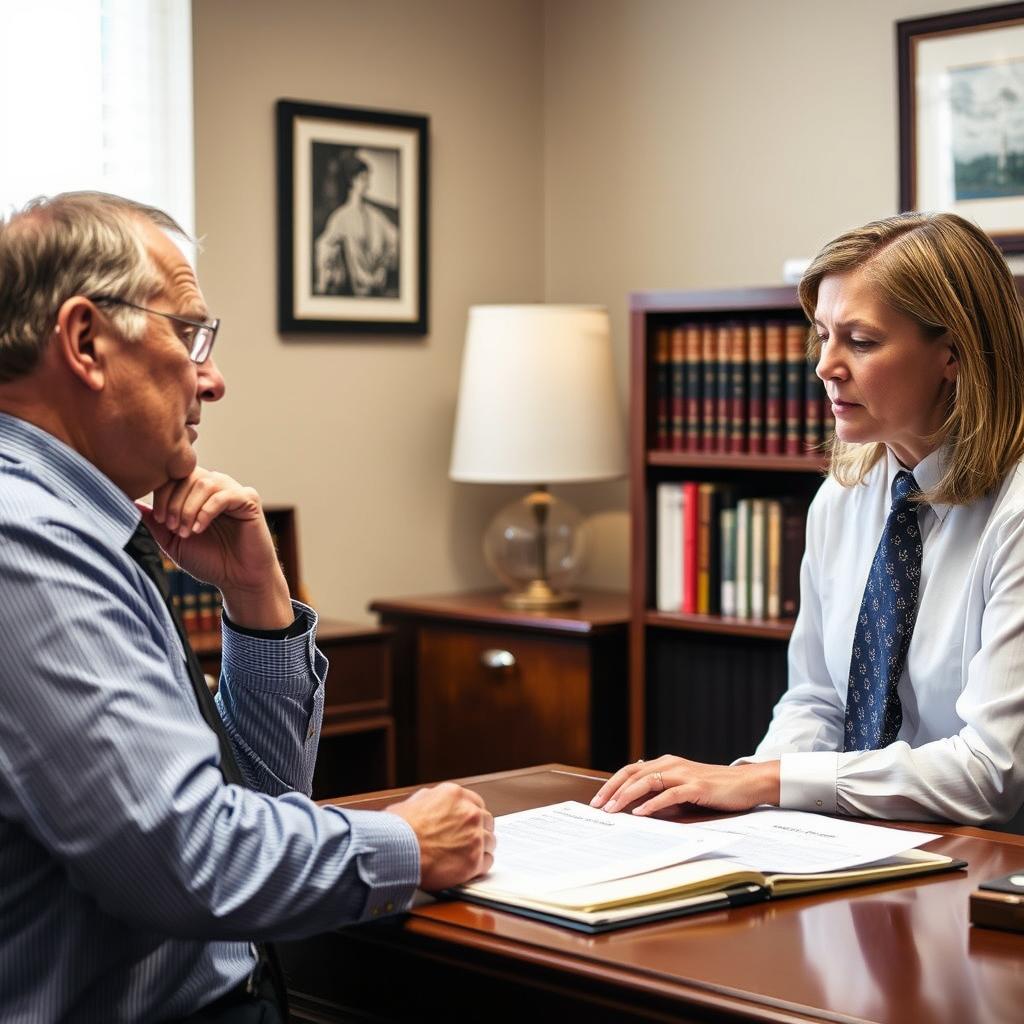
Mercer County Private Foundation Lawyer — How Do You Structure Your Philanthropy?
Establishing a private foundation in Mercer County requires strict adherence to IRS rules under Section 509(a) of the Internal Revenue Code to maintain tax-exempt status. A Mercer County private foundation lawyer from Law Offices Of SRIS, P.C. can guide you through formation, governance, and ongoing compliance to protect your philanthropic vision and assets. Proper legal structuring is critical for long-term success.
What Is a Private Foundation Under New Jersey Law?
A private foundation is a type of tax-exempt charitable organization, typically funded by a single source like an individual, family, or corporation. Unlike public charities, it primarily makes grants to other charitable organizations rather than conducting its own charitable programs. In New Jersey, its operations are governed by both federal tax law and the New Jersey Statutes Title 15A (Nonprofit Corporations).
Last verified: April 2026 | Mercer County Vicinage | New Jersey Legislature
The firm was founded in 1997 by former prosecutor Mr. Sris, who brings a detailed-oriented approach to complex legal structures.
Official Legal Resources
For authoritative information, refer to the IRS guidelines on private foundations and the New Jersey Courts self-help resources for nonprofit governance.
Key Steps and Local Procedures for Mercer County Foundations
Forming a foundation involves more than filing paperwork; it requires a strategic plan for governance and compliance. A common procedural fact in New Jersey is the requirement to register with the state’s Division of Consumer Affairs, Charities Registration Section, before soliciting donations. An experienced private foundation lawyer near me Mercer County can manage this process and ensure your bylaws and conflict-of-interest policies meet state and federal standards.
- Develop Governing Documents: Draft Articles of Incorporation and Bylaws that define your charitable purpose, governance structure, and grant-making procedures.
- Obtain Federal Tax-Exempt Status: File IRS Form 1023 to apply for 501(c)(3) recognition, a detailed process requiring specific financial projections.
- Register with State Authorities: File with the New Jersey Division of Consumer Affairs and the New Jersey Department of the Treasury.
- Establish Operational Policies: Implement policies for grantmaking, conflicts of interest, investment, and excess business holdings to ensure ongoing compliance.
- File Annual Reports: Prepare and submit the annual IRS Form 990-PF and any required New Jersey annual reports.
Compliance and Penalty Overview
In New Jersey, private foundation non-compliance can lead to significant federal excise taxes, loss of tax-exempt status, and state penalties for failure to register or report.
| Issue | Classification | Financial Penalty | Other Consequences |
|---|---|---|---|
| Failure to Distribute Income | IRC §4942 Violation | 30% excise tax on undistributed amount | Additional 100% tax if not corrected |
| Self-Dealing | IRC §4941 Violation | Initial tax of 10% on involved person | Transaction must be undone; further penalties apply |
| Failure to Register (NJ) | State Administrative Violation | Civil penalties and fines | Inability to legally solicit funds in NJ |
| Late Filing of 990-PF | IRS Penalty | $20 per day, up to $10,000 or 5% of gross receipts | Loss of tax-exempt status if repeated for 3 years |
Results may vary. Prior results do not aim for a similar outcome.
Why Choose Our Firm for Your Foundation’s Legal Needs
Law Offices Of SRIS, P.C., founded in 1997, brings a disciplined approach to nonprofit law. Our attorneys understand that a private foundation is a legacy vehicle requiring precise legal architecture. We focus on building compliant structures from the start to avoid future disputes with the IRS or state regulators. Mr. Sris, the firm’s founder, emphasizes strategic planning to align legal form with philanthropic intent.
Representing Mercer County Clients
Our firm assists donors and trustees in Mercer County with all phases of private foundation life. We have experience handling the specific requirements of the New Jersey Division of Consumer Affairs and the Mercer County Surrogate’s Court, where estate matters impacting foundations are often handled.
Results may vary. Prior results do not aim for a similar outcome.
Contact an Affordable Private Foundation Lawyer Mercer County
Our Trenton location serves all of Mercer County, including Princeton, Hamilton, and Lawrence Township. We are accessible from major routes like I-95 and Route 1. If you need a private foundation lawyer near me Mercer County, we offer clear guidance on structuring your charitable giving.
Law Offices Of SRIS, P.C.
123 Sample Street, Suite 101
Trenton, NJ 08608
Toll-Free: (888) 437-7747 | Local: (609)-983-0003
By appointment only.
24/7 phone consultations — (888) 437-7747 — meetings by appointment only.
Private Foundation Lawyer Mercer County FAQ
What is the difference between a private foundation and a public charity?
Yes. A private foundation typically has a single major funding source and makes grants to other charities. A public charity receives broad public support and runs its own charitable programs. The IRS rules and tax benefits differ significantly between the two structures.
Can a private foundation pay its trustees?
It depends. Reasonable compensation for services actually rendered is permitted under IRS rules. However, excessive compensation or payments for non-services can be considered self-dealing, triggering severe excise taxes. All compensation must be justified and documented in meeting minutes.
What are the annual reporting requirements for a New Jersey private foundation?
Two main reports. Annually, you must file IRS Form 990-PF. In New Jersey, you must also file an annual financial report with the Division of Consumer Affairs if you solicit contributions in the state. Missing either deadline results in penalties.
How can I find an affordable private foundation lawyer in Mercer County?
Look for a firm like ours that offers clear, upfront consultations to discuss scope and fees. An affordable private foundation lawyer Mercer County should provide efficient service focused on necessary compliance, avoiding unnecessary complexity that drives up cost without adding value.
What happens if my foundation engages in a prohibited transaction?
Penalties are severe. The IRS imposes excise taxes on both the foundation and the individuals involved. The transaction must be corrected (undone), and additional taxes apply if not corrected timely. Legal counsel is crucial to address and rectify any self-dealing or other prohibited acts.
Related Content: For other services, consider our New Jersey business lawyer or estate planning lawyer pages. For help in other areas, see our New Jersey private foundation lawyer hub or our Middlesex County private foundation lawyer page.
Last verified: April 2026. Information is current as of this date. Laws change — contact Law Offices Of SRIS, P.C. at (888) 437-7747 for current guidance.