
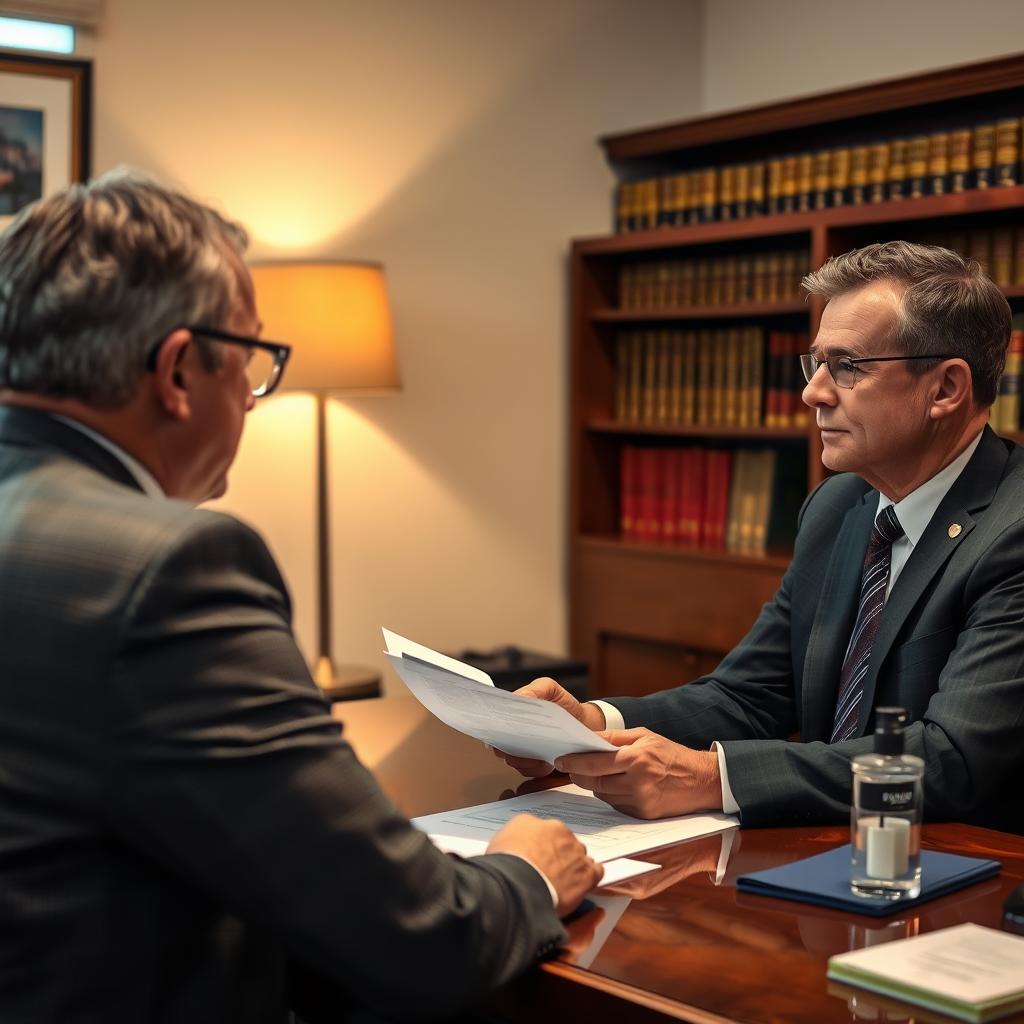
Southwest Waterfront Probate Lawyer — How Can We Help Settle Your Estate?
A Southwest Waterfront probate lawyer from our firm can guide you through the legal process of settling an estate after a death. Probate in the District of Columbia is governed by Title 20 of the D.C. Code. Law Offices Of SRIS, P.C.
Understanding Probate Law in Southwest Waterfront
The legal process for administering a deceased person’s estate, known as probate, is detailed in the D.C. Code. This process validates a will, appoints a personal representative, and oversees the distribution of assets to heirs and creditors. The Superior Court of the District of Columbia, Probate Division, has jurisdiction over these matters. A clear understanding of this legal framework is essential for anyone serving as an executor or administrator.
Last verified: April 2026 | Superior Court of the District of Columbia, Probate Division | D.C. Code Title 20.
Official Legal Resources
For the official statutes, refer to the D.C. Code Title 20 (Decedents’ Estates and Fiduciary Relations). The Superior Court Probate Division website provides essential forms, filing fees, and procedural guides for the probate court process.
The Probate Process in Southwest Waterfront
Handling an estate involves specific steps that must be followed in order. In Southwest Waterfront, the process begins with filing the will and a petition for probate with the court. The court then officially appoints the executor named in the will. If there is no will, the court will appoint an administrator according to D.C. law. A probate lawyer Southwest Waterfront can manage this entire procedure.
- File the original will and a petition for probate with the Superior Court Probate Division.
- Notify all heirs and beneficiaries as required by law.
- Identify, inventory, and appraise all estate assets.
- Pay valid debts, taxes, and administrative expenses from the estate.
- File a final accounting with the court for approval.
- Distribute the remaining assets to the rightful beneficiaries.
Why Choose Our Firm for Estate Administration
Founded in 1997, Law Offices Of SRIS, P.C. brings decades of combined legal experience to complex matters like estate administration after death. Our approach is to provide clear, direct guidance through what can be a difficult legal and emotional process. We focus on efficient case handling to help settle estates as smoothly as possible.
Our Commitment to Client Service
Our firm is committed to providing accessible legal support. We understand that questions about estate administration can arise at any time.
Law Offices Of SRIS, P.C.
Available for consultations by appointment.
Toll-Free: (888) 437-7747 | Local: (838)-292-0003
24/7 phone consultations. Meetings by appointment only.
Frequently Asked Questions
What does a probate lawyer in Southwest Waterfront do?
Yes. A probate lawyer Southwest Waterfront handles the legal process of administering an estate after death. This includes filing documents with the probate court, managing asset distribution, paying debts, and resolving disputes among heirs to ensure the estate is settled according to the will or D.C. law.
How long does the probate court process take in D.C.?
It depends on the estate’s complexity. A simple, uncontested estate with a clear will may take several months. Estates with disputes, difficult-to-value assets, or tax issues can take a year or more. A lawyer can provide a more specific timeline after reviewing the estate details.
Is probate always required after someone dies?
No. Probate is not always required. Assets held in a living trust, retirement accounts with designated beneficiaries, or jointly owned property with rights of survivorship typically transfer outside of probate. An attorney can review the assets to determine if probate is necessary.
What are the duties of an executor in estate administration?
The executor, or personal representative, has a fiduciary duty to manage the estate responsibly. Key duties include securing assets, paying valid debts and taxes, communicating with beneficiaries, and ultimately distributing the remaining assets as the will or law directs. The entire process is overseen by the probate court.
Can I handle estate administration without a lawyer?
It is possible for very simple estates, but not advisable. The probate court process involves strict deadlines, specific legal forms, and fiduciary responsibilities. Mistakes can lead to personal liability, delays, or disputes. A probate lawyer ensures the process is completed correctly and efficiently.
For help with estate planning or administration, consider speaking with a Virginia trust and estate lawyer or a DC family law attorney. For more information on our firm’s services, visit our District of Columbia legal hub.
Page last verified and updated: April 2026. Laws and procedures can change. Contact Law Offices Of SRIS, P.C. for the most current legal guidance regarding estate administration after death.
Under Va. Code § 13.1-1000 et seq., state law governs this practice area.