
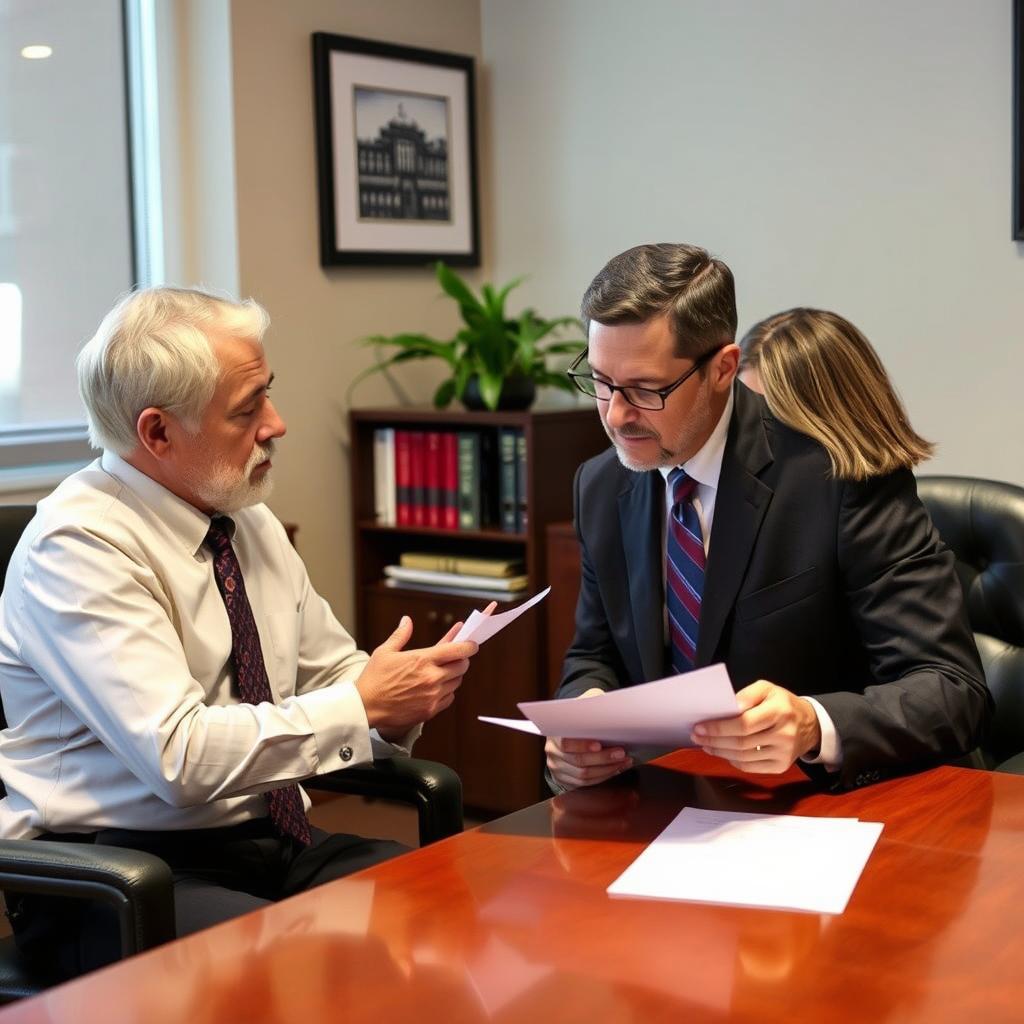
Capitol Hill Rehabilitative Alimony Lawyer — What Are Your Rights?
Rehabilitative alimony in Washington, D.C., is a time-limited spousal support order designed to help a spouse become self-sufficient, governed by D.C. Code § 16-916. Law Offices Of SRIS, P.C. provides focused legal counsel for these matters in DC Superior Court.
Understanding Rehabilitative Alimony in Washington, D.C.
Rehabilitative alimony is a specific type of spousal support under D.C. law. Its primary purpose is not indefinite support, but to provide a dependent spouse with the financial means and time to acquire the education, training, or work experience necessary to re-enter the workforce and achieve self-sufficiency. The court’s goal is to bridge a temporary gap in earning capacity. This is distinct from indefinite or permanent alimony, which may be awarded in long-term marriages where self-sufficiency is not a realistic expectation.
Last verified: April 2026 | DC Superior Court, Family Division | D.C. Council official code.
Official Legal Resources
For the complete statutory text governing spousal support, refer to the D.C. Code § 16-916 (official D.C. Council website). For local court rules and forms, visit the District of Columbia Courts website.
Procedural Insights for Capitol Hill Cases
In DC Superior Court, Family Division, judges closely examine the feasibility of a rehabilitation plan when considering a request for rehabilitative alimony. The requesting spouse must typically present a concrete plan outlining the steps to gain self-sufficiency, such as enrollment in a degree program or vocational training. A temporary spousal support lawyer Capitol Hill can be crucial in the initial stages to secure interim support while the long-term plan is developed. The court will also consider the paying spouse’s ability to fund both the support and the proposed educational costs.
- File a Complaint for Divorce or Separate Maintenance: The alimony request is part of the broader divorce or legal separation action filed in DC Superior Court.
- Serve Financial Disclosures: Both parties must fully disclose all income, assets, debts, and expenses through mandatory financial statements.
- Develop a Rehabilitation Plan: The spouse seeking rehabilitative alimony should draft a specific plan detailing the training or education needed, its cost, and the expected timeline to employment.
- Attend a Case Management Conference: The court will schedule a conference to identify issues and set a timeline for discovery and motions.
- Negotiate or Attend Mediation: Parties may attempt to reach an agreement on alimony terms through negotiation or court-ordered mediation.
- Present Evidence at Trial: If no agreement is reached, the court will hear evidence on the factors under D.C. Code § 16-916 to decide on the award’s amount and duration.
Factors in Awarding Rehabilitative Alimony
In Capitol Hill, the court considers multiple statutory factors to determine if rehabilitative alimony is appropriate, including its amount and duration.
| Court Consideration | Description | Impact on Award |
|---|---|---|
| Financial Needs & Resources | The standard of living during marriage and each party’s current income and assets. | Sets the baseline need and the other party’s ability to pay. |
| Time & Cost of Education/Training | The specific plan’s duration, tuition, and associated living expenses. | Directly determines the support amount and how long payments will last. |
| Duration of the Marriage | The length of the marital relationship. | Longer marriages may justify longer rehabilitation periods. |
| Age & Health of Each Spouse | The physical and mental capacity to undertake training or work. | Can limit or expand the feasibility of certain rehabilitation plans. |
| Contributions to the Marriage | Non-financial contributions like homemaking or child-rearing that impacted career. | Justifies the need for support to overcome career sacrifices. |
Results may vary. Prior results do not aim for a similar outcome.
Our Experience in Family Law Matters
Law Offices Of SRIS, P.C. was founded in 1997. Our firm brings a combined 120+ years of legal experience to complex family law matters. Mr. Sris, our managing attorney and a former prosecutor, personally played a role in amending Virginia’s equitable distribution statute, demonstrating a deep commitment to the evolution of family law. While we handle cases across multiple states, our team understands the specific procedures and judicial expectations of the DC Superior Court. We focus on providing clear, strategic guidance for matters like rehabilitative alimony.
Case Results & Client Advocacy
Our approach is built on thorough preparation and understanding of local court dynamics. For instance, we have successfully advocated for clients where the key issue was the reasonableness of a proposed rehabilitation plan, skilled to court-approved support agreements. In other matters, we have negotiated modifications when a client’s circumstances changed during the support period. Each case is unique, and we tailor our strategy to the specific facts and goals of our clients in the District.
Results may vary. Prior results do not aim for a similar outcome.
Rehabilitative Alimony Lawyer Near Capitol Hill
Our firm is accessible to residents of Capitol Hill and surrounding neighborhoods like Eastern Market, Lincoln Park, and Navy Yard. For family law matters in DC Superior Court, strategic legal counsel is critical. We offer 24/7 phone consultations and meet with clients by appointment only.
Law Offices Of SRIS, P.C.
By appointment only.
Toll-Free: (888) 437-7747
24/7 phone consultations.
Frequently Asked Questions
What is the main purpose of rehabilitative alimony in D.C.?
It is to provide short-term financial support so a spouse can gain the education or training needed to become self-sufficient, not to provide permanent income.
How long does rehabilitative alimony typically last in Washington, D.C.?
It depends. The duration is directly tied to the length of the approved rehabilitation plan. The court will set a specific end date based on the time needed to complete the training or education program outlined in the case.
Can rehabilitative alimony be modified or terminated early?
Yes. It can be modified if there is a substantial change in circumstances, like the recipient completing training early or the payer losing their job. It typically terminates if the recipient remarries or cohabitates.
What is the difference between rehabilitative and transitional alimony?
While both are temporary, rehabilitative alimony is for gaining skills for self-support. A transitional alimony lawyer Capitol Hill would note that transitional alimony is for adjusting to the single life, covering expenses like new housing, without a requirement for a formal education plan.
Do I need a specific plan to ask for rehabilitative alimony?
Yes. A concrete, detailed plan showing the training, its cost, duration, and expected employment outcome is crucial. Courts are hesitant to award it based on vague promises of future employment.
Related Legal Services in Capitol Hill
If you are dealing with other family law issues, our firm can assist. For immediate support needs during a divorce, consult a temporary spousal support lawyer in Washington, D.C.. For broader divorce strategy, see our Washington, D.C. divorce lawyer hub page. For other local legal needs, we also provide counsel as a Capitol Hill criminal defense lawyer.
Last verified: April 2026. Information is current as of this date. Laws change; contact Law Offices Of SRIS, P.C. at (888) 437-7747 for current guidance.