
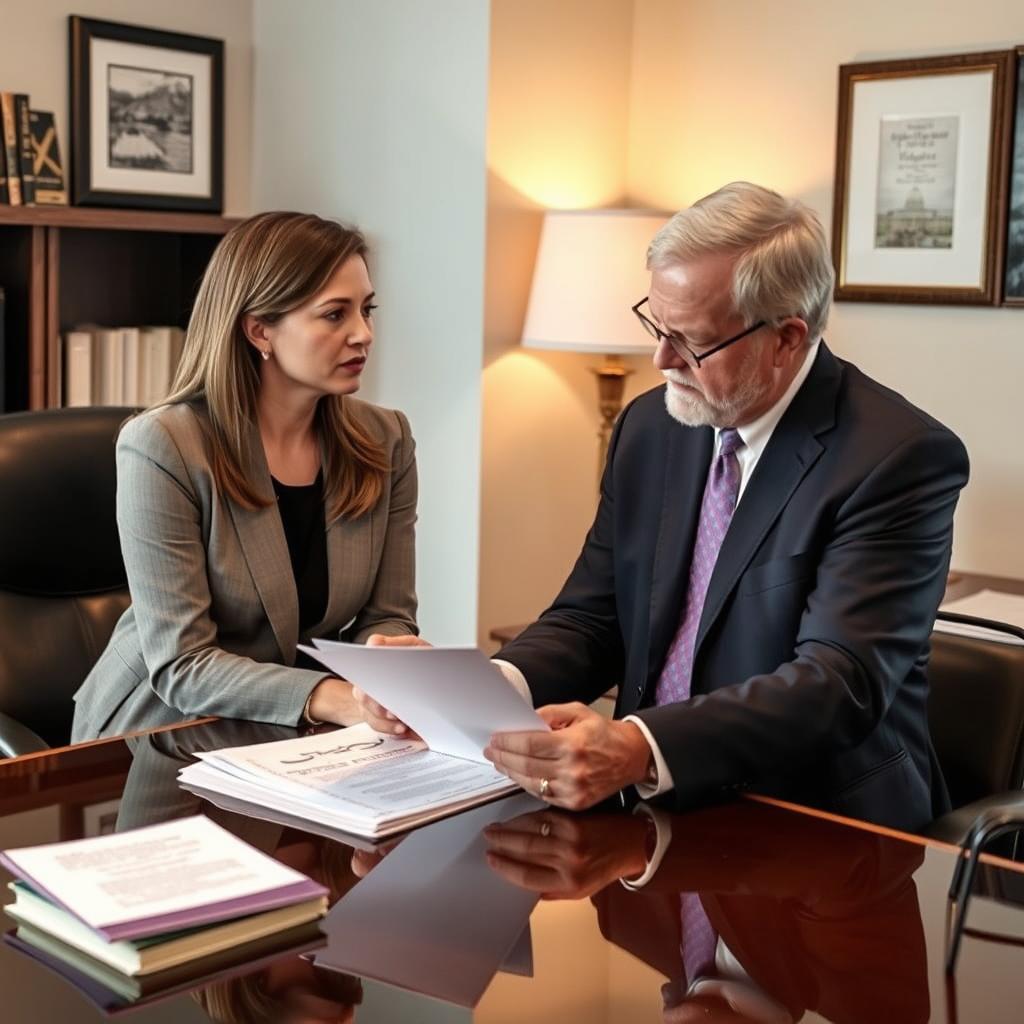
Manassas Rehabilitative Alimony Lawyer — How Can You Secure Fair Support?
Rehabilitative alimony in Manassas is a temporary support order under Va. Code § 20-107.1 designed to help a spouse become self-sufficient. The Law Offices Of SRIS, P.C. provides focused legal guidance to secure or defend against these time-limited awards. Our rehabilitative alimony lawyer Manassas team understands the local court’s approach to these cases.
Understanding Rehabilitative Alimony Under Virginia Law
Rehabilitative alimony is one of several types of spousal support recognized in Virginia. Unlike permanent support, its specific purpose is to provide a spouse with the financial resources necessary to obtain the education, training, or work experience required to re-enter the workforce and achieve appropriate employment. The statute governing all spousal support, including rehabilitative alimony, is Va. Code § 20-107.1. The court must consider numerous statutory factors, including the standard of living during the marriage, each party’s earning capacity, and the time and cost needed for the receiving spouse to gain suitable education or training.
Last verified: April 2026 | Prince William County Circuit Court | Virginia General Assembly
The firm’s founder, Mr. Sris, brings a deep understanding of Virginia family law statutes, having practiced since 1997. This long-term perspective is important for interpreting how courts apply the rehabilitative alimony factors over time.
Official Resources and Court Information
When dealing with a rehabilitative alimony matter, it is essential to reference official legal sources. The full text of Virginia’s spousal support laws is available through the Virginia Law Portal. For local procedures and forms, you should consult the Prince William County Circuit Court website. These resources provide the foundational rules that govern your case.
The Local Process for Rehabilitative Alimony in Manassas
In Prince William County courts, a request for rehabilitative alimony is typically filed alongside other divorce pleadings. Judges here pay close attention to the specificity and feasibility of the proposed rehabilitation plan. A generic request for support is less likely to succeed than one with detailed steps, timelines, and cost estimates for achieving self-sufficiency.
- File a Complaint: The process begins by filing a Complaint for Divorce or a separate spousal support petition with the Prince William County Circuit Court, specifically requesting rehabilitative alimony.
- Develop a Rehabilitation Plan: The requesting spouse must draft a detailed, written plan outlining the education, training, or job search required, including duration and estimated costs.
- Financial Disclosure: Both parties must complete full financial disclosures, using forms like the Financial Statement (Form CC-1681), to establish need and ability to pay.
- Negotiation or Mediation: Parties often attempt to reach an agreement on the amount and duration of support through negotiation or court-ordered mediation.
- Court Hearing: If no agreement is reached, a judge will hear evidence on the statutory factors and the proposed rehabilitation plan before issuing an order.
- Modification or Termination: Rehabilitative alimony can be modified if circumstances change or terminated if the recipient remarries, cohabitates, or fails to pursue the plan.
How a Rehabilitative Alimony Lawyer Manassas Can Help
handling a request for rehabilitative support requires precise legal strategy. A rehabilitative alimony lawyer Manassas from our firm assists in several key areas. We help draft a compelling, evidence-based rehabilitation plan that meets judicial scrutiny. We gather documentation on earning capacity, living standards, and educational needs. We also advocate in negotiations or court to ensure the support amount is fair and truly enables the path to independence. Conversely, if you are asked to pay, we work to ensure the requested plan is necessary, reasonable in cost and duration, and that the paying spouse’s financial circumstances are accurately presented.
In Manassas, rehabilitative alimony is awarded for a specific period to support education or job training, with amounts varying based on detailed statutory factors and the recipient’s concrete plan for self-sufficiency.
Case Results and Firm Authority
Law Offices Of SRIS, P.C. was founded in 1997 and brings over 120 years of combined attorney experience to family law matters. Our firm-wide track record includes over 4,739 case results with a favorable outcome rate exceeding 93%. In family law cases, our attorneys, including Mr. Sris who personally contributed to amending Virginia’s equitable distribution statute (Va. Code § 20-107.3), use deep knowledge of state law to advocate effectively for clients.
Results may vary. Prior results do not aim for a similar outcome.
Local Presence for Manassas Clients
Law Offices Of SRIS, P.C.
Our Ashburn location serves Manassas and Prince William County.
Toll-Free: (888) 437-7747 | Local: (571) 279-0110
By appointment only.
24/7 phone consultations — meetings by appointment only.
We serve clients across Manassas, Prince William County, and surrounding communities like Gainesville, Haymarket, and Bristow. As a rehabilitative alimony lawyer near Manassas, we are accessible for clients throughout the region.
Frequently Asked Questions
What is the main difference between rehabilitative and permanent alimony?
Rehabilitative alimony is temporary and goal-oriented, paid for a set time to fund education or training. Permanent alimony (now called “spousal support” in VA) can last indefinitely, often until retirement or remarriage, and is for spouses unable to become self-sufficient due to age, health, or the marriage’s length.
Can I get temporary spousal support while my divorce is pending?
Yes. You can petition for pendente lite (temporary) support. A temporary spousal support lawyer Manassas can file this request early in the case to provide financial stability during the divorce process. The court considers immediate need and income disparity when setting temporary awards.
How long does rehabilitative alimony typically last in Virginia?
It depends. The duration is set by the court based on the specific rehabilitation plan. It could last for a two-year degree program, a six-month certification course, or a defined job-search period. The order will state a specific end date or a triggering event for termination.
What happens if I don’t follow my rehabilitation plan?
The paying spouse can petition the court to modify or terminate the support. If you fail to make good-faith efforts toward the plan’s goals—like not enrolling in agreed-upon classes—the court may find you in contempt or end the payments early, as the support’s purpose is not being fulfilled.
Is transitional alimony the same as rehabilitative alimony in Virginia?
No. While both are temporary, a transitional alimony lawyer Manassas would explain that transitional alimony (a concept more common in other states) is for short-term adjustment post-divorce, like relocating or finding initial housing. Virginia’s rehabilitative alimony is specifically for gaining education or skills for long-term self-sufficiency.
Related Legal Assistance
If you are dealing with spousal support issues, you may also need guidance in other family law areas. Our firm can assist with divorce proceedings in Manassas, child support modifications, and detailed property division. For a broader view of our family law services across Virginia, visit our Virginia family law hub page. We also help clients in neighboring areas like Fairfax.
Last verified: April 2026. Laws change—contact Law Offices Of SRIS, P.C. at (571) 279-0110 for current guidance.
Manassas is one part of a statewide practice, and our page on rehabilitative alimony lawyer Virginia covers the process from start to finish.
Manassas cases follow the same route as the rest of the area, and our page on rehabilitative alimony in Fairfax explains each stage.