
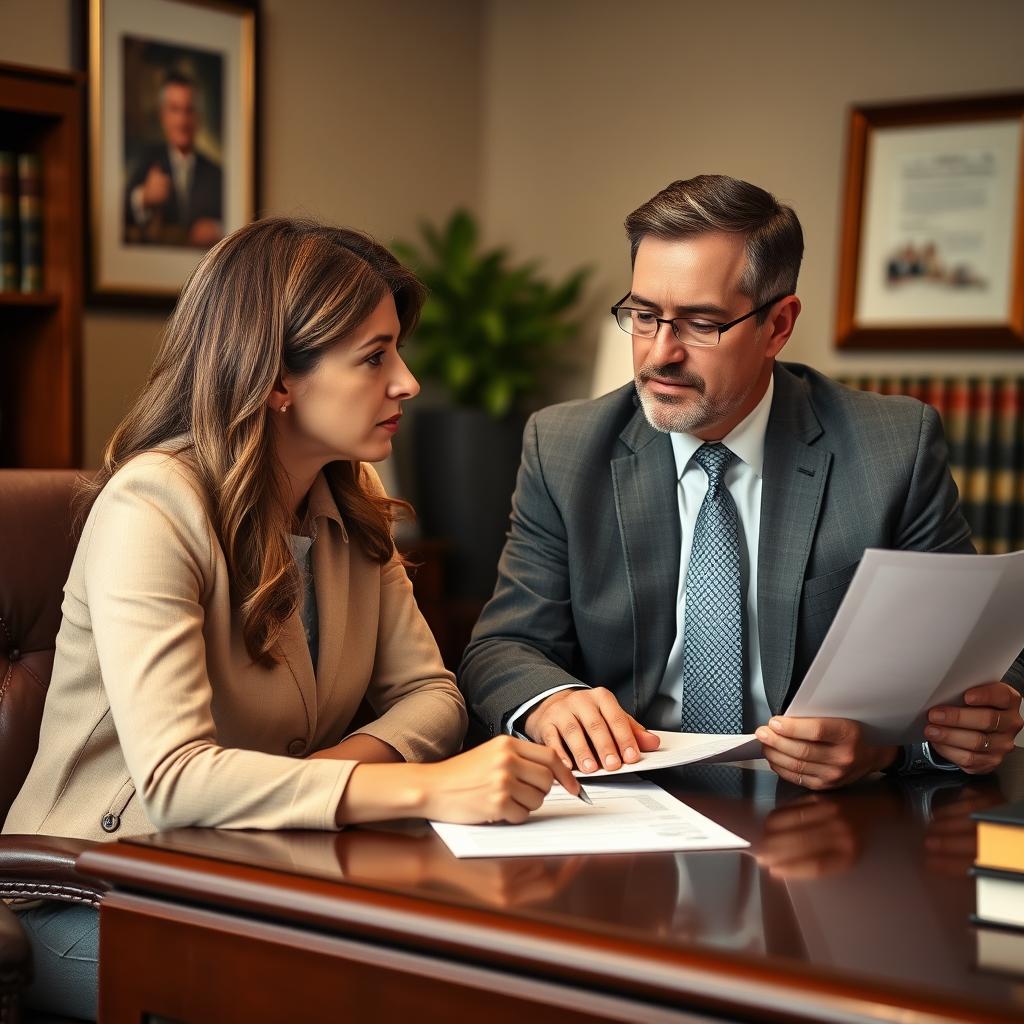
Powhatan County Rehabilitative Alimony Lawyer — What Are Your Options?
Rehabilitative alimony in Powhatan County is a time-limited support order under Va. Code § 20-107.1 designed to help a spouse gain education or training for self-sufficiency. A rehabilitative alimony lawyer from Law Offices Of SRIS, P.C. can help you structure or challenge a support plan based on the specific needs and timeline of your case.
Understanding Rehabilitative Alimony Under Virginia Law
Rehabilitative alimony is one of several types of spousal support recognized in Virginia. Its primary purpose is not permanent support, but to provide a dependent spouse with the financial means to acquire the education, training, or work experience necessary to become self-supporting. The court’s authority to award this support is grounded in Va. Code § 20-107.1. This statute requires the court to consider numerous factors, including the standard of living established during the marriage, each party’s earning capacity, and the time and expenses needed for the requesting spouse to gain suitable employment.
Last verified: April 2026 | Powhatan County Circuit Court | Virginia General Assembly.
Official Legal Resources
For the complete statutory language governing all spousal support awards, including rehabilitative alimony, refer to the official Virginia Code § 20-107.1. Local court procedures and forms can be found on the Powhatan County Circuit Court website.
The Local Process for Rehabilitative Alimony in Powhatan County
Success in a rehabilitative alimony case often hinges on a detailed, credible plan. The requesting spouse must present a specific proposal outlining the training or education program, its duration, cost, and the expected increase in earning capacity. In Powhatan County Circuit Court, judges scrutinize these plans for realism. A temporary spousal support lawyer can be crucial during the pendency of a divorce to address immediate financial needs while the long-term rehabilitative plan is developed.
- Consultation & Case Assessment: Meet with a family law attorney to evaluate the feasibility of a rehabilitative alimony request or defense based on your marital history and goals.
- Develop a Rehabilitative Plan: If seeking support, work with your attorney to create a formal plan with specific programs, timelines, and cost projections.
- Gather Financial Documentation: Compile full evidence of both parties’ incomes, assets, debts, and the marital standard of living.
- File a Motion with the Court: Your attorney will file the appropriate pleading, whether for temporary support during the divorce or for a final rehabilitative alimony award.
- Negotiation or Mediation: Attempt to reach an agreement on the amount and duration of support outside of court.
- Present Evidence at Hearing: If no agreement is reached, present your case, including experienced testimony if needed, to the Powhatan County judge for a decision.
Potential Outcomes and Considerations
In Powhatan County, rehabilitative alimony is designed to be temporary and goal-oriented, with awards typically lasting only as long as the outlined retraining program.
It is distinct from permanent or indefinite support. The court may modify or terminate the award if the recipient spouse fails to make a good-faith effort to follow the rehabilitative plan, or if a substantial change in circumstances occurs. A transitional alimony lawyer can advise on the strategic differences between seeking short-term rehabilitative support versus other forms of spousal maintenance.
Results may vary. Prior results do not aim for a similar outcome.
Why Choose Our Firm for Your Powhatan County Alimony Case
Law Offices Of SRIS, P.C. was founded in 1997. Our firm brings a combined 120+ years of legal experience to family law matters. A key point of our authority in Virginia family law is that our founder, Mr. Sris, personally assisted in the legislative amendment process for Va. Code § 20-107.3, the equitable distribution statute, demonstrating a deep, practical understanding of Virginia’s family law framework that benefits all our clients.
Documented Experience in Family Law
Our firm has handled numerous family law cases across Virginia, Maryland, New Jersey, New York, and DC. While specific case counts vary by locality, our approach is consistently focused on developing clear, evidence-based strategies for support issues. We understand that a successful rehabilitative alimony case requires connecting financial need to a tangible path toward independence.
Results may vary. Prior results do not aim for a similar outcome.
Local Presence for Powhatan County Residents
Our Richmond location serves clients in Powhatan County. We are accessible for consultations by appointment to discuss your rehabilitative alimony concerns. If you need a rehabilitative alimony lawyer near Powhatan, we are here to help.
Law Offices Of SRIS, P.C.
7400 Beaufont Springs Drive, Suite 300
Richmond, VA 23225
Toll-Free: (888) 437-7747 | Local: (804) 201-9009
By appointment only.
24/7 phone consultations — (888) 437-7747 — meetings by appointment only.
Frequently Asked Questions About Rehabilitative Alimony
What is the main difference between rehabilitative and permanent alimony in Virginia?
Yes. Rehabilitative alimony is temporary and intended to support a spouse through education or training to become self-sufficient. Permanent alimony, awarded in longer marriages, has no fixed endpoint and continues until a court modifies or terminates it based on a change in circumstances.
Can rehabilitative alimony be modified or ended early?
It depends. A court may modify the amount or terminate rehabilitative alimony if the receiving spouse fails to make a good-faith effort to follow the agreed-upon plan, or if either party experiences a substantial change in financial circumstances, such as job loss or a significant increase in income.
Do I need a specific plan to ask for rehabilitative alimony?
Yes. Virginia courts typically require a detailed, written plan that specifies the educational program, its duration, total cost, and the expected increase in earning capacity. Vague intentions are generally insufficient to secure a rehabilitative alimony award in Powhatan County.
How long does rehabilitative alimony usually last?
The duration is directly tied to the length of the retraining or educational plan presented to the court. Awards are rarely longer than the time necessary to complete the specific program, often ranging from one to five years, depending on the degree or certification sought.
Can I get temporary support while my divorce is pending?
Yes. You can file for temporary spousal support (pendente lite) to address immediate financial needs during the divorce process. A temporary spousal support lawyer can help you secure this relief, which is separate from a final award of rehabilitative alimony.
What if my ex-spouse remarries or cohabitates?
Under Virginia law, rehabilitative alimony automatically terminates upon the remarriage of the receiving spouse. Cohabitation in a relationship analogous to marriage may also be grounds for a party to petition the court for termination or reduction of the support obligation.
Related Legal Information
If you are dealing with other family law matters, our firm also assists with Virginia divorce cases and child support matters. For support issues in nearby areas, see our page for a rehabilitative alimony lawyer in Chesterfield County.
Last verified: April 2026. Laws and procedures can change. Contact Law Offices Of SRIS, P.C. at (888) 437-7747 for current legal guidance regarding your specific situation.
If you want to see how a Powhatan County case fits into the wider process, our page on rehabilitative alimony lawyer Virginia covers it from start to finish.