
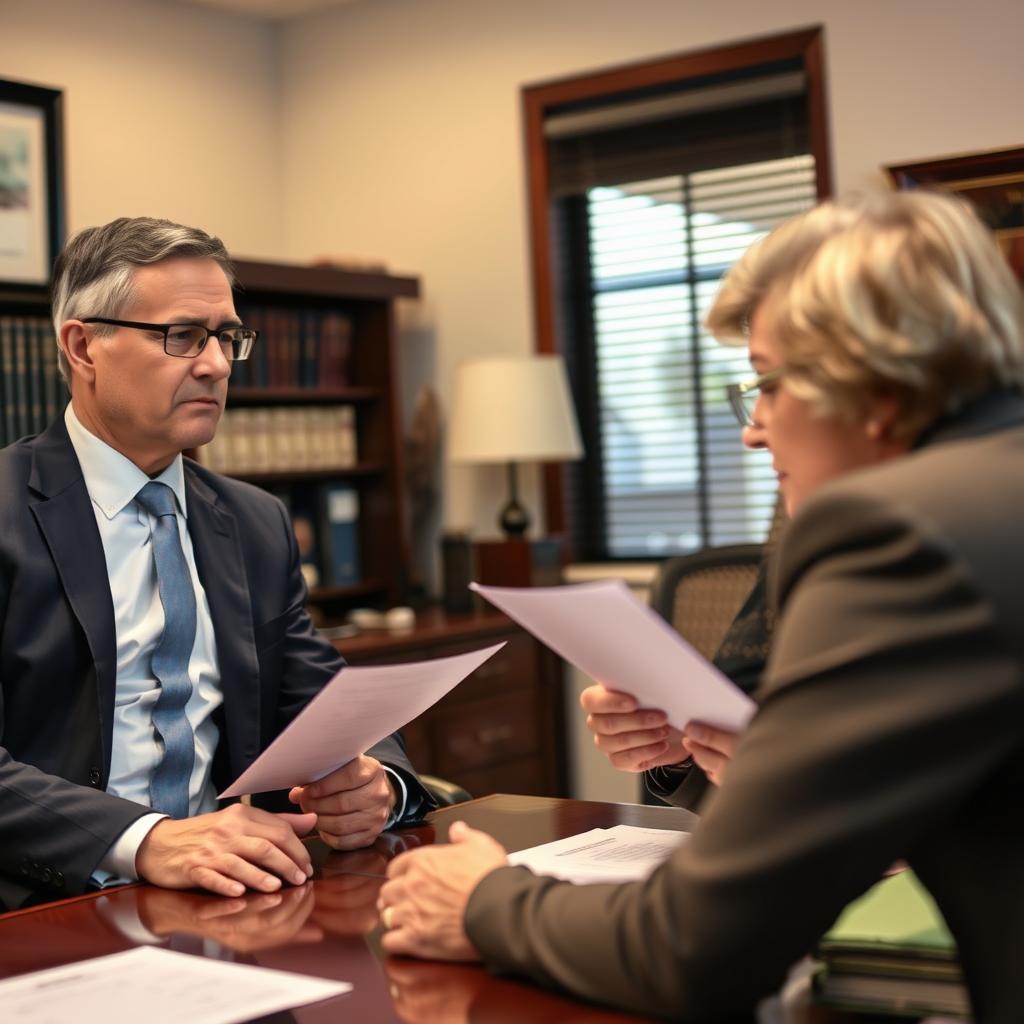
Sales of Goods Dispute Lawyer in Warren County, NY
A sales of goods dispute in Warren County involves a breach of contract under New York’s Uniform Commercial Code (UCC) Article 2, which governs transactions for movable goods. These cases are often heard in the Warren County Supreme Court, Commercial Division. Law Offices Of SRIS, P.C.
What Is a Sales of Goods Dispute Under New York Law?
In New York, a sales of goods dispute arises from a transaction for the sale of tangible, movable property. The primary legal framework is Article 2 of the New York Uniform Commercial Code (UCC), which provides the default rules for contracts when the parties have not specified otherwise. Key issues include breach of warranty (express or implied), failure to deliver conforming goods, rejection of goods, and non-payment. The Warren County Supreme Court, and specifically its Commercial Division when thresholds are met, has jurisdiction over these matters.
Last verified: April 2026 | Warren County Supreme Court | New York State Legislature
Official Legal Resources
For the authoritative text of the law, refer to New York Uniform Commercial Code, Article 2 on the official New York State Senate website. For local court procedures and filing information, visit the Warren County Supreme Court website.
Handling a Sales of Goods Case in Warren County
Sales of goods litigation in Warren County often proceeds in the Supreme Court. The Commercial Division, part of the Supreme Court, handles complex business disputes, including those under the UCC, when the amount in controversy meets certain thresholds. A critical local procedural fact is the potential for expedited proceedings in the Commercial Division, which aims for efficiency in business disputes. For an affordable sales of goods dispute lawyer Warren County residents can consult, understanding these local nuances is key.
- Gather Documentation: Compile all contracts, invoices, proof of payment, shipping records, and any communication about the product’s defects or issues.
- Review the UCC: Determine which provisions of Article 2 apply to your situation, such as warranty breaches (§ 2-313, 2-314, 2-315) or perfect tender rules (§ 2-601).
- Send a Formal Notice: Under the UCC, a buyer must usually notify the seller of a breach within a reasonable time after discovery.
- Consider Demand & Negotiation: Before filing suit, a formal demand letter outlining the legal basis and desired remedy can sometimes lead to settlement.
- File in the Proper Court: If settlement fails, file a complaint in Warren County Supreme Court. For claims over $100,000, request assignment to the Commercial Division.
- Prepare for Discovery: Be ready for extensive document production and potentially depositions regarding the quality of the goods, business practices, and damages.
Potential Outcomes and Legal Standards
In Warren County, a sales of goods dispute can lead to remedies like monetary damages (the difference between the value of goods received and conforming goods), specific performance, or cancellation of the contract.
| Claim Type | Legal Basis | Primary Remedy | Key Consideration |
|---|---|---|---|
| Breach of Warranty | UCC § 2-313 (Express), § 2-314 (Implied Merchantability), § 2-315 (Fitness for Purpose) | Damages (difference in value), incidental/consequential damages if foreseeable | Must provide timely notice to seller; privity may be required. |
| Non-Conforming Goods | UCC § 2-601 (Perfect Tender Rule), § 2-608 (Revocation of Acceptance) | Rejection/Revocation, damages, cover | Rejection must be within a reasonable time after delivery. |
| Non-Payment | UCC § 2-709 (Action for Price) | Full contract price, incidental damages | Seller must hold goods for buyer or resell them in a commercially reasonable manner. |
| Statute of Limitations | UCC § 2-725 | Claim Barred | Four years from tender of delivery; cannot be extended by agreement beyond original four years. |
Results may vary. Prior results do not aim for a similar outcome.
Why Choose Our Firm for Your Commercial Dispute?
Law Offices Of SRIS, P.C. was founded in 1997. Our firm brings a combined 120+ years of legal experience to complex commercial matters. We understand that a sales of goods dispute can disrupt cash flow and business relationships. Our approach is to provide clear, strategic counsel aimed at resolving your conflict efficiently, whether through negotiation or assertive litigation in the Warren County courts.
Our Approach to Sales of Goods Disputes
Our firm has handled numerous commercial litigation matters. While specific case results in Warren County for this niche are not separately verified, our firm-wide track record across VA, MD, NJ, NY, and DC includes over 4,739 documented case results with a favorable outcome rate exceeding 93%. We focus on a meticulous review of your sales contracts and transaction history to build a strong position under the UCC.
Results may vary. Prior results do not aim for a similar outcome.
Contact Our Sales of Goods Dispute Lawyer Near Me Warren County
Our New York location serves clients in Warren County. We are accessible via I-87 and Route 9. If you need a sales of goods dispute lawyer near me Warren County, our team is ready to assist.
Neighborhoods Served: Lake George, Glens Falls, Queensbury, Bolton Landing, Warrensburg, Chestertown, North Creek
Availability: 24/7 phone consultations — (888) 437-7747 — meetings by appointment only.
Law Offices Of SRIS, P.C.
New York Location — Buffalo/NY area
By appointment only.
Frequently Asked Questions: Sales of Goods Disputes
What is the statute of limitations for a sales of goods lawsuit in New York?
Four years. Under New York UCC § 2-725, an action for breach of a sales contract must be commenced within four years after the cause of action accrues, typically when the breach occurs, regardless of the aggrieved party’s lack of knowledge.
Can I sue for a defective product if I didn’t buy it directly from the manufacturer?
It depends. Under the UCC, warranty claims usually require privity of contract (a direct link) between the claimant and the seller. However, you may have a claim against your direct seller for breach of implied warranties. New York common law may also allow tort claims against a manufacturer in certain situations, like personal injury.
What is the “perfect tender” rule?
Yes. UCC § 2-601 allows a buyer to reject goods if they fail in any respect to conform to the contract. This is a powerful right, but it must be exercised within a reasonable time and the buyer must seasonably notify the seller.
What remedies are available if I paid for goods but never received them?
You can sue for damages under UCC § 2-711 & 2-712 (“cover”—cost of buying substitute goods) or § 2-713 (market price differential). Alternatively, you may seek specific performance (UCC § 2-716) to force delivery if the goods are unique, though this is less common for ordinary goods.
Do I need a lawyer for a sales of goods dispute in Warren County?
It is highly advisable. The UCC and court procedures are complex. A lawyer can ensure you provide proper notice, meet deadlines, calculate damages correctly, and handle the Warren County Supreme Court or Commercial Division rules effectively to protect your rights.
Internal Resources
For more information on related legal matters in Warren County, explore our pages on Business Law and Contract Law. Learn more about our firm’s commercial litigation practice on our New York Commercial Lawyer hub page.
Page last verified and updated: April 2026. Laws and procedures change. Contact Law Offices Of SRIS, P.C. at (888) 437-7747 for the most current guidance regarding your sales of goods dispute.