
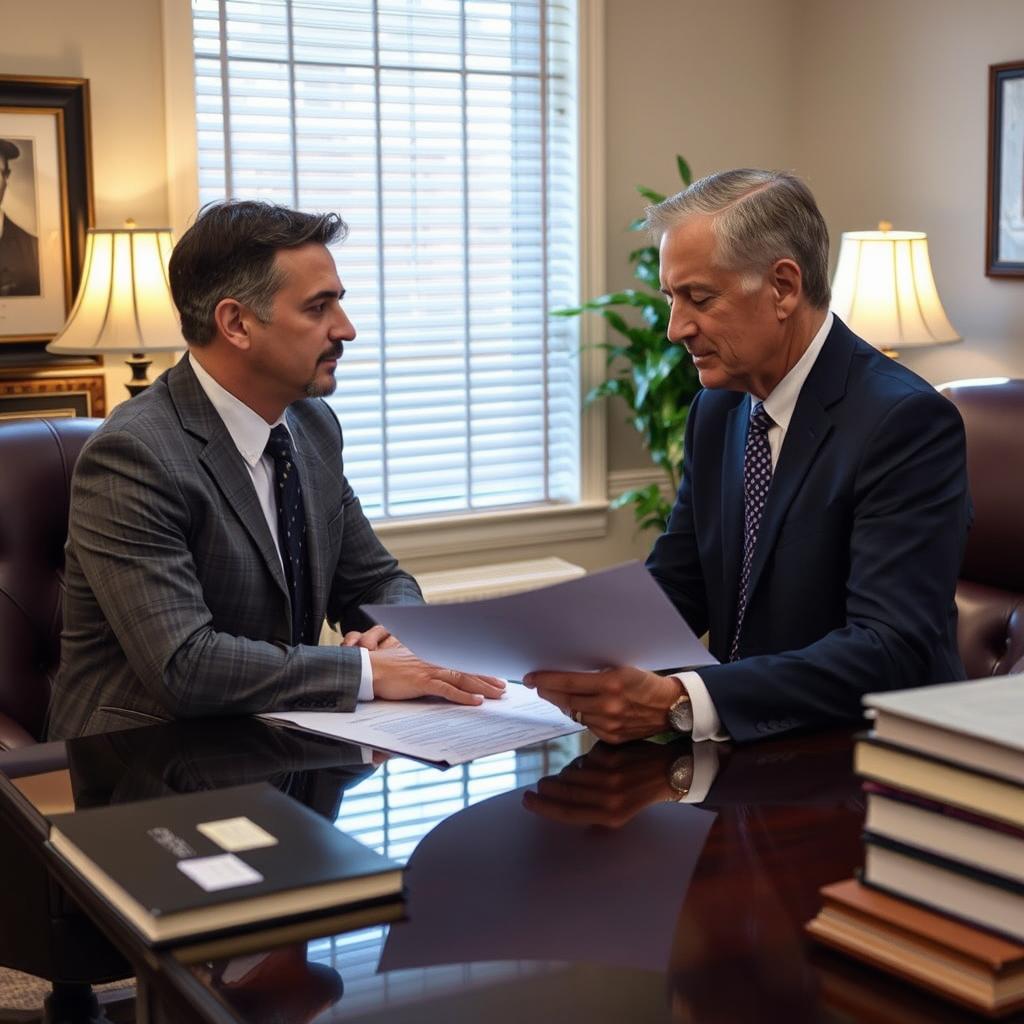
Settlement Lawyer Rappahannock County, VA
When a dispute has been settled and the other side fails to honor the agreement, the situation becomes a contract enforcement matter. In Rappahannock County, settlement agreements are interpreted under Virginia contract law — the same principles that govern all written and oral agreements. If your settlement has fallen apart, you need counsel who understands how Virginia courts apply contract rules to settlement releases, how to pursue breach-of-settlement claims in the local courts, and what remedies may be available. Law Offices Of SRIS, P.C. Concentrates its practice on representing clients in contract disputes, including settlement enforcement and breach of settlement matters, before the Rappahannock County General District Court and the Rappahannock County Circuit Court. Whether the settlement resolved a business dispute, a construction claim, a service contract, a warranty issue, or a licensing disagreement, the agreement is a contract, and its enforcement follows contract law. To discuss your settlement dispute with an attorney familiar with Rappahannock County courts, contact Law Offices Of SRIS, P.C. at (888) 437-7747. Law Offices Of SRIS, P.C. — Advocacy Without Borders.
What Settlement Disputes Mean in Rappahannock County
Rappahannock County is Virginia’s Twentieth Judicial District, sharing judges and court administration with Fauquier and Loudoun counties. The courthouse in Washington, Virginia — the county seat — hears civil matters involving contract claims, including disputes over settlement and release agreements. Settlement disagreements reach the courts when one party signs a release and then fails to perform — for example, by not paying the agreed amount or by continuing actions that the release was meant to stop. In Virginia, a settlement agreement is a contract and is enforceable under the same body of law that governs all contracts: the Virginia Uniform Commercial Code for certain sales of goods, and the common law of contracts for most other agreements. The Rappahannock County courts apply that law without deviation.
For a civil claimant seeking to enforce a settlement, the amount in controversy typically determines which court hears the matter. Claims not exceeding a specified amount, exclusive of interest and attorney fees, are within the concurrent civil jurisdiction of the General District Court; claims above that amount proceed in the Circuit Court. Minor claims may also be filed in Small Claims Court, though that court operates on a pro se basis. In either forum, a party asserting a breach of settlement must prove the existence of a valid contract, a breach, and resulting damages. Virginia law provides remedies that include compensatory damages, specific performance, and, if the agreement so provides, attorney fees. Punitive damages, however, are generally not available for breach of contract. Because the legal standards and procedural rules differ between the General District Court and the Circuit Court, retaining an attorney who appears regularly in Rappahannock County is prudent.
How Mr. Sris and His Of Counsel Handle Settlement Cases
Mr. Sris and his Of Counsel approach settlement disputes as contract-enforcement matters. The first step is evaluating the settlement document itself: whether it was reduced to writing and signed (which triggers a five-year statute of limitations under Virginia law) or was oral (which carries a three-year limitations period). The statutory framework is set out in the Virginia Code, and the firm verifies that the client’s claim is within the applicable limitations window before filing. If the settlement is valid and the breach is clear, the firm typically sends a formal demand letter to the breaching party — this often resolves the matter without litigation. When a demand does not produce compliance, the firm files in the appropriate Rappahannock County court and litigates the claim through trial if necessary.
During litigation, Mr. Sris and his Of Counsel present evidence of the settlement contract, the payment terms, and the other party’s failure to perform. In the General District Court, the case may be heard relatively quickly; in the Circuit Court, where discovery and motion practice are more extensive, the timeline is longer. The firm’s litigators have experience with the judges and procedures in the Rappahannock County courthouse and can anticipate the court’s expectations for presentation of evidence and argument. Although the firm works to achieve favorable outcomes on behalf of its clients, every case depends on its own facts and past results do not guarantee a similar outcome. Results may vary.
About Mr. Sris and His Of Counsel Team
Mr. Sris, Owner and Founder of Law Offices Of SRIS, P.C., is a former prosecutor and has practiced law since 1997. He is admitted in Virginia, Maryland, the District of Columbia, New Jersey, and New York. Mr. Sris testified before the Virginia House Courts of Justice Committee in support of 2019 HB 635 (chief patron Del. David Bulova). His background includes litigation in a broad range of civil and criminal matters. In the contract and settlement area, Mr. Sris works alongside his Of Counsel team — experienced lawyers who bring additional depth in business law, commercial litigation, and civil procedure. The firm’s approach to contract disputes draws on over 120 years of combined legal experience and 4,739+ documented firm-wide results. Results may vary. Past results do not guarantee a similar outcome
Law Offices Of SRIS, P.C. serves Rappahannock County from its Fairfax Location at 4008 Williamsburg Court, Fairfax, Virginia 22032. By appointment. Call (888) 437-7747 to schedule a consultation. The firm has represented clients in Rappahannock County matters and is familiar with the local court practices. All attorneys working on contract matters are members of the Virginia State Bar or admitted pro hac vice as required.
In Virginia, a written settlement agreement is a contract and must be enforced within five years of breach.
Source: Virginia Code Title 8.01
Reviewed by Mr. Sris, admitted in VA/MD/DC/NJ/NY.
Civil claims, exclusive of interest and attorney fees, are within the concurrent jurisdiction of the General District Court in Virginia.
Source: Virginia Code Title 16.1
Reviewed by Mr. Sris, admitted in VA/MD/DC/NJ/NY.
Frequently Asked Questions
What is a settlement agreement in Virginia, and is it enforceable in Rappahannock County?
A settlement agreement is a contract by which parties resolve a dispute on agreed terms, often in exchange for a release of claims. Virginia courts enforce settlement agreements under general contract law principles. In Rappahannock County, the Circuit Court or General District Court will interpret the agreement as written and, if it is clear and unambiguous, will enforce it as any other contract. The parol evidence rule generally bars oral statements that contradict the written terms. Written settlements are enforceable, and a party that breaches may be liable for compensatory damages.
If I have a signed settlement agreement and the other party doesn’t pay, what can I do?
If the other party fails to honor a signed settlement, you may bring a breach-of-contract action in the appropriate Rappahannock County court. The first step is typically a demand letter. If that does not result in compliance, the firm files a complaint and litigates the claim. In Virginia, the breach-of-settlement claim must be brought within the applicable statute of limitations — five years for written contracts, three years for oral contracts. The remedy may include money damages, interest, and costs. If the agreement includes an attorney-fee provision, those fees may also be recoverable.
Do I need a lawyer to enforce a settlement agreement in Rappahannock County?
You are not legally required to hire a lawyer to pursue a breach-of-settlement claim, but an attorney can evaluate the settlement’s enforceability, navigate court rules, and present your case effectively, particularly if the dispute is in the General District or Circuit Court. Even in Small Claims Court, an attorney can help you assess the strength of your claim before you proceed pro se. Because settlement enforcement involves contract interpretation and the application of the parol evidence rule, an attorney familiar with Rappahannock County courts can help you avoid procedural missteps.
What is the statute of limitations for enforcing a settlement agreement in Virginia?
Written settlement agreements are subject to a five-year statute of limitations under Virginia law. Oral settlement agreements carry a three-year limitations period under § 8.01-246(4). The clock ordinarily begins to run at the time of breach. Because a settlement may be part of a larger transaction, determining whether the contract is written or oral is critical. If you believe your settlement has been breached, contact an attorney promptly to avoid expiration of the limitations period.
How do I choose a settlement lawyer in Rappahannock County?
Look for an attorney with experience in Virginia contract law, familiarity with the Rappahannock County courts, and a practice that includes civil litigation. Ask whether the attorney has handled breach-of-settlement cases, understands the procedural differences between the General District and Circuit Courts, and can explain the likely timeline. A consultation gives you an opportunity to discuss your settlement document and the specific breach before deciding how to proceed. For guidance on your specific situation, reach Law Offices Of SRIS, P.C. at (888) 437-7747.
Contract Lawyer Fairfax County ·
Contract Lawyer Prince William County ·
Contract Lawyer Falls Church
Virginia Code Title 8.01 — Civil Remedies and Procedure ·
Virginia Judicial System ·
SCC Business Entity Filings
Attorney advertising. Prior results do not guarantee a similar outcome. Case results depend on a variety of factors unique to each case. Results may vary.