
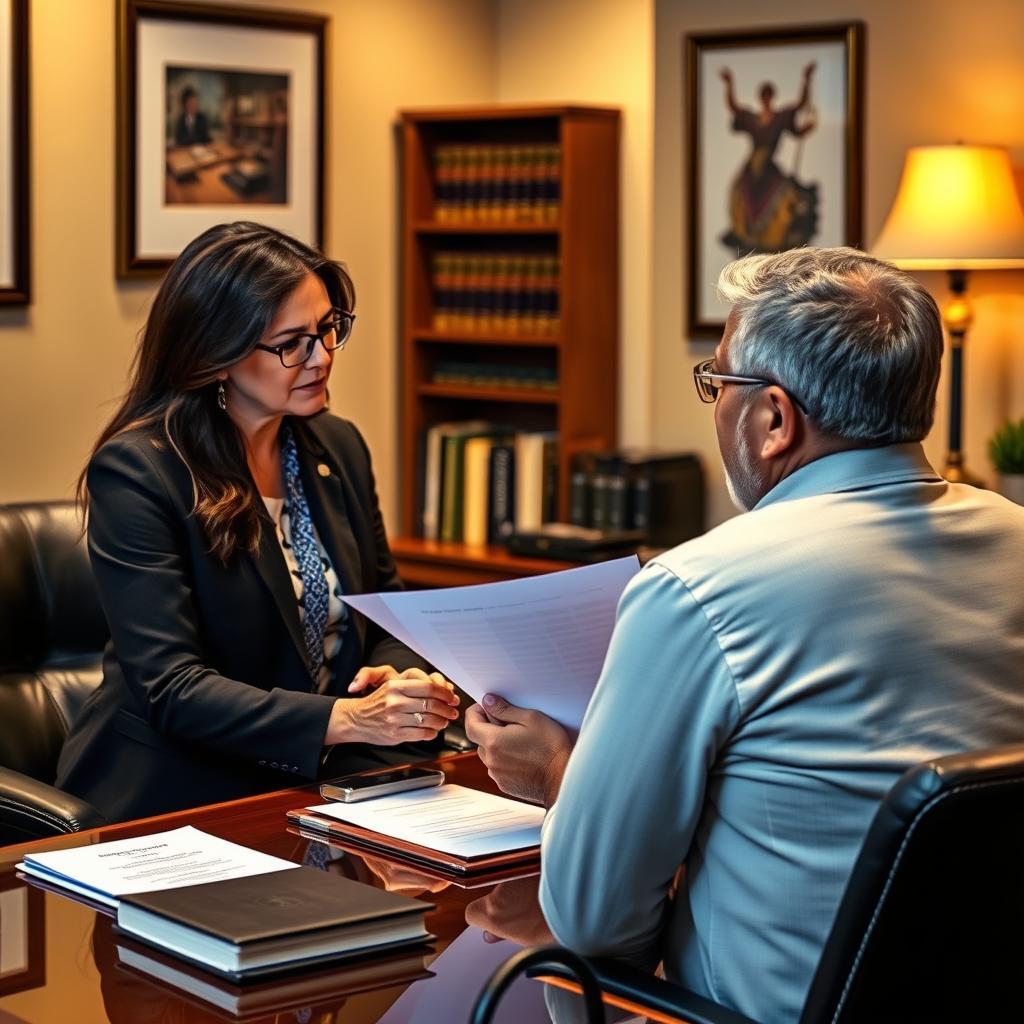
Special Needs Trust Lawyer Rockville MD — How Do You Protect a Loved One’s Future?
A Special Needs Trust Lawyer Rockville MD is essential for families planning for a disabled loved one’s financial security without jeopardizing vital government benefits like Medicaid and SSI. Under Maryland law, these trusts must be carefully drafted to comply with state and federal rules. Law Offices Of SRIS, P.C.
What Is a Special Needs Trust in Maryland?
A Special Needs Trust (SNT), also known as a Supplemental Needs Trust, is a legal arrangement designed to hold assets for the benefit of an individual with a disability. The primary purpose is to supplement, not replace, government assistance programs like Medicaid and Supplemental Security Income (SSI). Properly drafted by a trust attorney, the trust’s assets are not counted against the beneficiary’s resource limits, preserving their eligibility for essential public benefits.
Last verified: April 2026 | Montgomery County Circuit Court | Maryland General Assembly
The firm’s founder, Mr. Sris, brings a background in accounting and information systems to the complex financial structuring required for these trusts, founded in 1997.
Official Legal Resources
Understanding the legal framework is critical. Maryland’s statutes governing trusts and estates provide the foundation, while local court procedures dictate administration. For the official Maryland Trust Act, see Md. Code, Estates and Trusts. For local probate and trust administration procedures, refer to the Montgomery County Circuit Court website.
Local Trust Planning and Administration Insights
In Montgomery County, the Orphans’ Court oversees the administration of estates and trusts, including Special Needs Trusts. A key local procedural fact is that the court requires detailed annual accountings for many trusts, and any deviation from the trust terms must be approved by the court. This underscores the need for precise drafting by a trust creation lawyer and meticulous ongoing management by a trust administration lawyer.
- Schedule a consultation with a Special Needs Trust Lawyer Rockville MD to assess your loved one’s benefits and needs.
- Decide on the trust type (first-party, third-party, or pooled) and fund it with appropriate assets.
- Draft the trust document with precise language that complies with Maryland law and federal benefit rules.
- Formally establish the trust and register it if required by the Montgomery County Circuit Court.
- The appointed trustee administers the trust, making distributions for supplemental care without affecting benefit eligibility.
- File required accountings and reports with the court as mandated to maintain the trust in good standing.
Why Special Needs Trust Planning Requires an Attorney
Establishing a Special Needs Trust is a highly technical area of law. A single drafting error can cause a beneficiary to lose Medicaid or SSI, resulting in catastrophic financial consequences. An experienced trust attorney understands the interplay between Maryland’s Estates and Trusts Code, federal Social Security rules (POMS), and Medicaid regulations. They ensure the trust is structured correctly from the outset and can guide trustees through complex administration tasks, such as proper distributions and accountings.
In Rockville, creating a Special Needs Trust is a critical step to provide lifelong supplemental care for a disabled individual while preserving their access to public assistance programs.
Firm Experience in Trust and Estate Law
Law Offices Of SRIS, P.C. was founded in 1997. With a combined attorney experience exceeding 120 years, the firm approaches each trust matter with deep legal knowledge. Our philosophy, “Advocacy Without Borders,” applies to breaking down the complex barriers in trust law to achieve clear, protective plans for families.
Contact a Rockville Special Needs Trust Attorney
If you are seeking trust planning help for a disabled family member in Maryland, contact our team. We offer 24/7 phone consultations to discuss your situation.
Law Offices Of SRIS, P.C.
199 E. Montgomery Ave, Suite 100, Room 211
Rockville, MD 20850
Toll-Free: (888) 437-7747 | Local: (888)-437-7747 | Local: (301) 363-4040
Meetings: By appointment only.
Frequently Asked Questions
What is the difference between a first-party and third-party Special Needs Trust?
Yes, there is a key difference. A first-party trust holds the disabled beneficiary’s own assets (like an inheritance or lawsuit settlement) and has a Medicaid payback provision. A third-party trust is funded with assets from someone else (like parents) for the beneficiary’s benefit and has no payback requirement.
Can a Special Needs Trust pay for housing or food?
It depends. Direct payments for basic shelter or food can reduce SSI benefits. A trust administration lawyer can structure payments to a landlord or provide food indirectly (e.g., grocery store gift cards) to minimize impact, but the rules are strict and require careful management.
Who should be the trustee of a Special Needs Trust?
It depends on the family’s dynamics and the complexity of the trust. A family member, a professional trust attorney, or a corporate trustee can serve. The trustee must understand public benefit rules and be diligent in record-keeping. Many families choose a professional for objectivity and experience.
Does a Special Needs Trust need to be filed with a court in Maryland?
Not always for creation. However, if the trust is established under a will (testamentary) or if court oversight is required for accountings, it will involve the Montgomery County Circuit Court. A trust creation lawyer can advise on the specific filing requirements for your situation.
What happens to the money in a Special Needs Trust when the beneficiary dies?
The disposition depends on the trust type. For a first-party trust, remaining funds must be used to reimburse the state for Medicaid paid. For a third-party trust, the grantor designates remainder beneficiaries (like other family members) who receive what’s left after the beneficiary’s passing.