
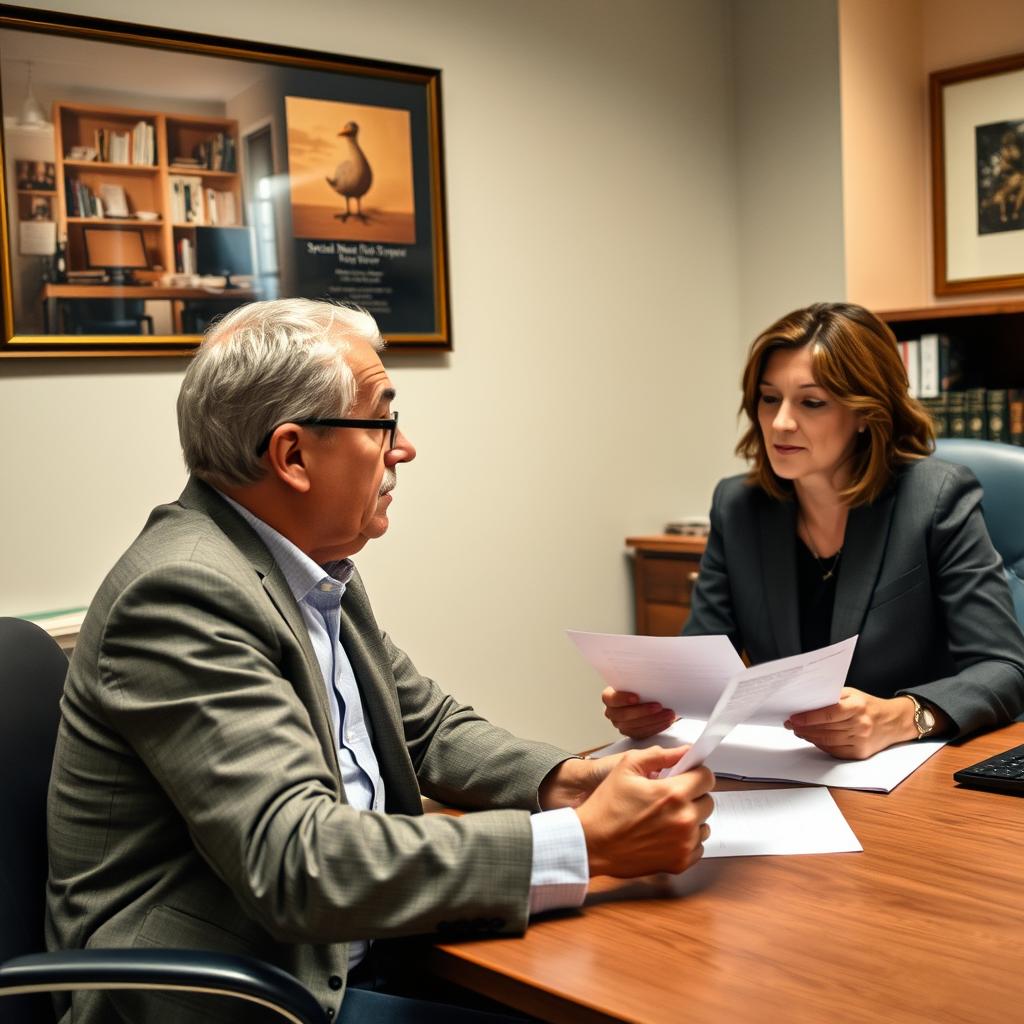
Special Needs Trust Lawyer U Street Corridor — How Can You Protect a Loved One’s Future?
A Special Needs Trust Lawyer U Street Corridor helps families and individuals preserve eligibility for vital government benefits like Medicaid and Supplemental Security Income (SSI) while providing supplemental support. Law Offices Of SRIS, P.C. focuses on creating case-specific estate plans that secure a disabled person’s financial future without disrupting their essential public assistance.
What Is a Special Needs Trust?
A special needs trust, also known as a supplemental needs trust, is a legal arrangement designed to hold assets for the benefit of a person with a disability. The primary purpose is to supplement, not replace, government benefits. Assets placed in the trust are not counted as the beneficiary’s direct resources for means-tested program eligibility. This allows the individual to receive extra funds for quality-of-life expenses—such as personal care attendants, education, transportation, and recreation—while preserving their access to Medicaid and SSI.
Last verified: April 2026 | District of Columbia Courts | District of Columbia Code.
Official Legal Resources
Understanding the legal framework is crucial. You can review the District of Columbia Official Code for statutes governing estates and trusts. For local court procedures and forms related to trust administration, visit the District of Columbia Courts website.
Local Trust Planning Considerations in the District
Establishing a special needs trust in the District of Columbia requires careful navigation of both federal benefit rules and local probate procedures. A key local procedural fact is that the Superior Court of the District of Columbia, Probate Division, oversees the registration and accounting for certain types of trusts. Working with a supplemental needs trust lawyer U Street Corridor who understands this local field is essential to avoid unintended disqualification from benefits.
- Initial Consultation: Discuss your loved one’s disability, current benefits, and long-term care goals with an attorney.
- Trust Design: Your lawyer will determine the appropriate trust type (first-party, third-party, or pooled) and draft precise language.
- Funding the Trust: Identify and transfer assets (cash, property, inheritance) into the trust according to legal guidelines.
- Trustee Selection: Appoint a responsible trustee—a person or institution—to manage distributions.
- Administration & Compliance: The trustee makes distributions for supplemental needs and ensures all accountings comply with District and federal rules.
Why Choose Our Firm for Trust Planning
Founded in 1997, Law Offices Of SRIS, P.C. brings decades of combined legal experience to complex estate and disability planning. Our tagline, “Advocacy Without Borders,” reflects our commitment to personalized, diligent representation. We understand that a special needs trust is not just a document but a critical lifeline for a vulnerable individual. Our approach focuses on creating a seamless plan that provides peace of mind for families today and security for their loved ones tomorrow.
Planning for Security
Proper planning with a Special Needs Trust Lawyer U Street Corridor can prevent a lifetime of benefits from being jeopardized by an inheritance or settlement. We help families handle this sensitive area to ensure their disabled family member is cared for in the manner they envision.
Law Offices Of SRIS, P.C.
By appointment only.
Toll-Free: (888) 437-7747 | Local: (888) 437-7747
24/7 phone consultations — meetings by appointment only.
Frequently Asked Questions
What is the difference between a special needs trust and a supplemental needs trust?
No difference. “Special needs trust” and “supplemental needs trust” are interchangeable terms for the same legal tool designed to protect a disabled beneficiary’s eligibility for government assistance while providing extra support.
Can I leave money directly to my disabled child in my will?
It depends. A direct inheritance could disqualify them from Medicaid and SSI by pushing them over asset limits. A disability trust planning lawyer U Street Corridor would typically advise creating a third-party special needs trust within your will to receive the inheritance instead, preserving benefit eligibility.
Who can be the trustee of a special needs trust?
A trustee can be a family member, a trusted friend, a professional fiduciary, or a nonprofit organization. The choice requires careful consideration of the person’s financial acumen, understanding of benefit rules, and longevity, as mismanagement can have severe consequences.
What happens to the money in the trust when the beneficiary passes away?
It depends on the trust type. For a first-party trust (funded with the beneficiary’s own assets), Medicaid may have a claim for reimbursement. For a third-party trust (funded by someone else), remaining assets typically pass to other family members or charities as named in the trust document.
Related Information: For broader estate planning, see our pages on Estate Planning Lawyer Washington DC and Virginia Special Needs Trust Lawyer. For help in a nearby area, consider our Supplemental Needs Trust Lawyer Dupont Circle.
Page Last verified: April 2026. Laws and procedures change. Contact Law Offices Of SRIS, P.C. at (888) 437-7747 for current guidance regarding special needs trusts.
Under Va. Code § 13.1-1000 et seq., state law governs this practice area.