
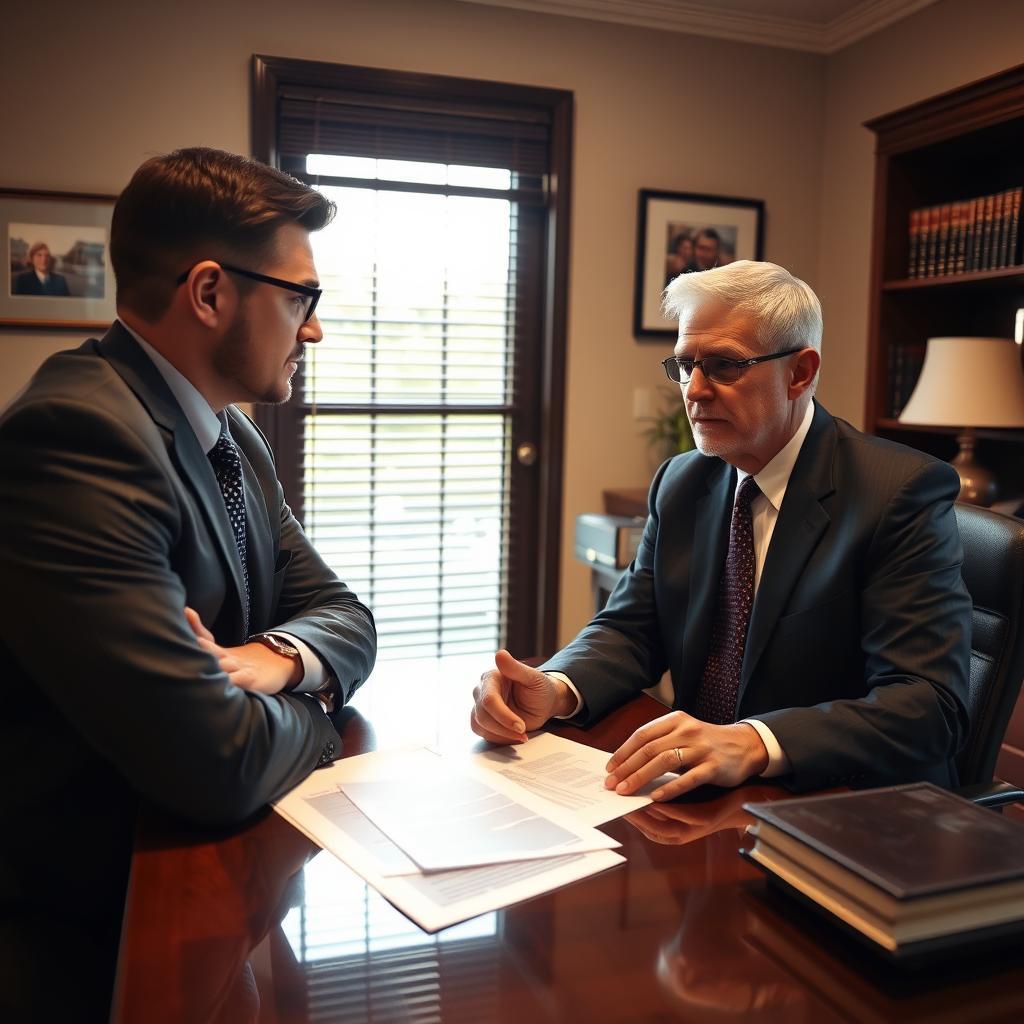
Staunton Business Dissolution Lawyer — How to Close Your Company Correctly
Dissolving a business in Staunton requires strict adherence to Virginia statutes and corporate formalities to avoid personal liability. A Staunton VA business dissolution lawyer from Law Offices Of SRIS, P.C. provides the legal help needed to handle creditor notifications, tax clearances, and asset distribution. Properly closing your company protects you from future claims and ensures compliance with state law.
Virginia Law on Business Dissolution
Business dissolution in Virginia is governed by specific statutes depending on your entity type. For corporations, the process is outlined in the Virginia Stock Corporation Act (Va. Code § 13.1-1000 et seq.). For limited liability companies (LLCs), the Virginia Limited Liability Company Act (Va. Code § 13.1-1000 et seq.) controls the winding-up process. These laws mandate a series of steps, including a formal plan of dissolution, notification to known creditors, and the settlement of all company debts before any remaining assets can be distributed to owners. Failure to follow the statutory procedure can result in the corporate veil being pierced, exposing shareholders or members to personal liability for unresolved business debts.
Last verified: April 2026 | Staunton Circuit Court | Virginia General Assembly
Official Legal Resources
Understanding the formal requirements is critical. You can review the Virginia Stock Corporation Act (Va. Code § 13.1-1000 et seq.) on the official state legislature website. For local court procedures related to filing dissolution documents, consult the 25th Judicial Circuit of Virginia website, which includes the Staunton Circuit Court.
The Process for Dissolving a Staunton Business
Closing a business involves more than just ceasing operations. In the Staunton Circuit Court jurisdiction, the process must be methodical to prevent future legal and tax problems. The key is to treat dissolution as a legal project with defined steps, not an administrative afterthought.
- Authorize Dissolution: The owners or shareholders must formally vote to dissolve the company, as required by the company’s operating agreement or bylaws. Document this vote in corporate minutes.
- File Articles of Dissolution: Submit the correct form (e.g., Form LLC-1014 for an LLC) to the Virginia State Corporation Commission (SCC) with the required fee. This officially begins the winding-up period.
- Notify Creditors & Settle Debts: Provide direct written notice to all known creditors. You may also need to publish a notice in a local Staunton newspaper for unknown creditors, giving them a statutory period to file claims.
- Handle Tax Obligations: Obtain tax clearances from the Virginia Department of Taxation and the IRS. File final federal and state tax returns, marking them as “final.”
- Distribute Remaining Assets: After all debts and claims are paid, any remaining assets can be distributed to the owners according to their ownership interests or as outlined in the operating agreement.
- Wind Up Affairs: Cancel business licenses, leases, and insurance policies. Close the company’s bank accounts and retain all dissolution records for at least five years.
Potential Consequences of Dissolution
In Staunton, improperly dissolving your business can lead to personal liability for unpaid taxes, lawsuits from unpaid creditors, and administrative penalties from the state.
Firm Experience in Business Law
Law Offices Of SRIS, P.C. was founded in 1997. Our corporate lawyer team brings a combined 120+ years of legal experience to complex commercial matters. Our approach is grounded in a detailed understanding of both state corporate law and the practical realities of closing a business. We provide direct, strategic legal help to business owners throughout the dissolution process.
Legal Help for Business Closure
Our firm provides full legal support for business dissolution. We draft and file all necessary documents with the Virginia SCC, develop a creditor notification plan, and coordinate with tax professionals to secure clearances. For complex dissolutions involving multiple owners or significant assets, having a commercial lawyer manage the process is essential to avoid disputes and ensure a clean break.
Results may vary. Prior results do not aim for a similar outcome.
Contact Our Staunton Business Attorneys
Law Offices Of SRIS, P.C.
4008 Williamsburg Court
Fairfax, VA 22032
Toll-Free: (888) 437-7747 | Local: (703) 636-5417
By appointment only.
Our firm serves Staunton and the surrounding Shenandoah Valley communities. We offer 24/7 phone consultations — meetings are by appointment only.
Business Dissolution FAQs
Do I need a lawyer to dissolve my Virginia LLC?
It depends. While you can file the state forms yourself, a business attorney ensures you comply with all legal requirements, properly notify creditors, and obtain necessary tax clearances, which protects you from future personal liability.
What is the difference between dissolution and termination?
Dissolution is the legal process of winding up the business’s affairs. Termination occurs after the winding-up is complete and the state officially administratively dissolves the entity. The dissolution phase is when all debts are paid and assets are distributed.
Can I be sued after my business is dissolved?
Yes. If you did not follow the statutory dissolution process—like failing to notify a known creditor—that creditor may still sue you personally. Proper legal help during dissolution is your best defense against such claims.
How long does the business dissolution process take in Virginia?
The timeline varies. After filing Articles of Dissolution with the SCC, there is a mandatory waiting period for creditors to come forward, often 120 days. The entire process, including tax clearances, typically takes several months to complete fully.
What happens to my business debts if I just close the doors?
If you simply stop operating without formally dissolving, you remain personally liable for all business debts. Creditors can pursue you and any other owners indefinitely. Formal dissolution through a corporate lawyer is the only way to limit this liability.