
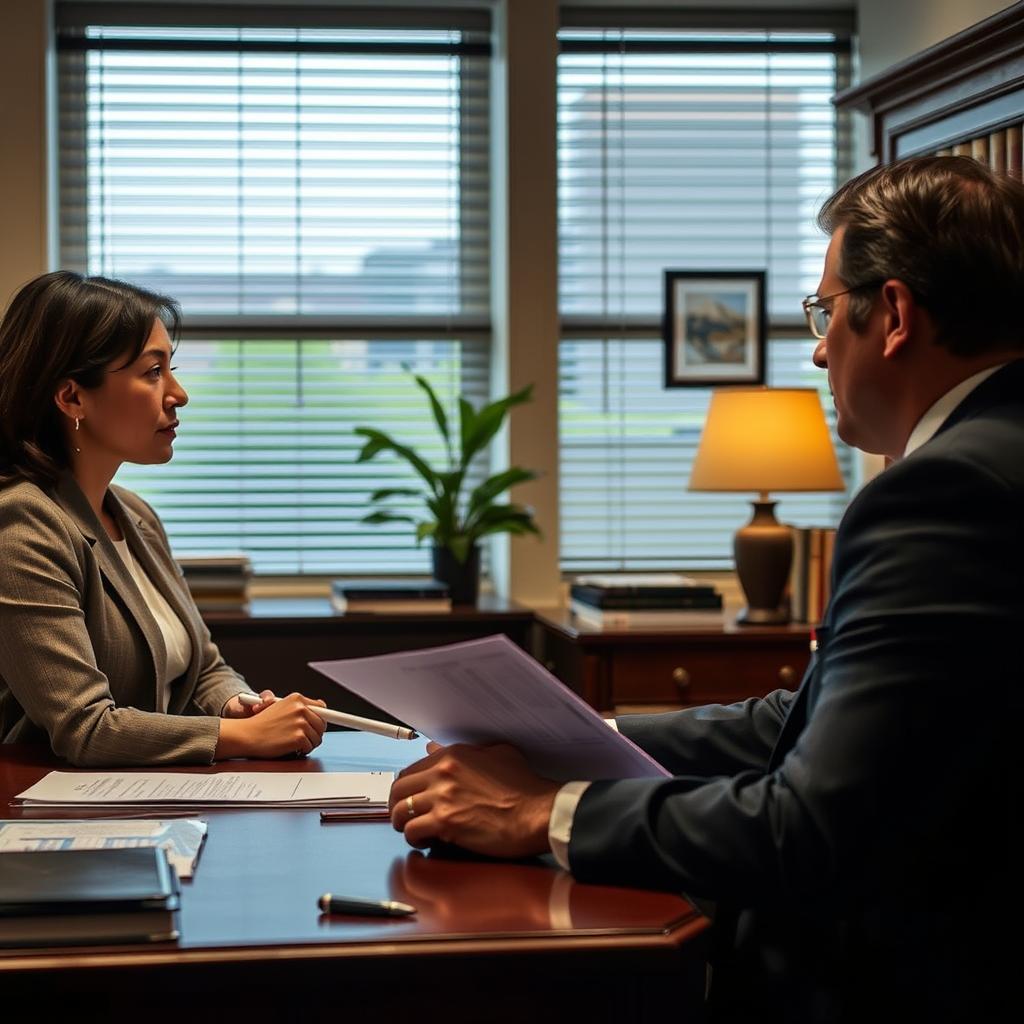
Trafficking in Counterfeit Goods Lawyer Washington County — What Are Your Defense Options?
Trafficking in counterfeit goods is a serious federal and state offense in Washington County, governed by laws like the Lanham Act and state statutes, carrying severe penalties. A conviction can result in significant fines, asset forfeiture, and imprisonment. The Law Offices Of SRIS, P.C. provides a strong defense for individuals and businesses accused of trademark fraud and counterfeit trafficking.
Understanding Trafficking in Counterfeit Goods Charges
Trafficking in counterfeit goods involves the intentional sale, distribution, or possession with intent to sell goods that bear a counterfeit trademark. These charges can be brought at both the federal level, often by agencies like Homeland Security Investigations (HSI), and at the state level in Washington County. The core of the offense hinges on proving the defendant knew the goods were counterfeit and intended to deceive consumers or defraud the trademark owner.
Last verified: April 2026 | Washington County Circuit Court | Virginia General Assembly
The firm was founded in 1997 by a former prosecutor. This background provides insight into how the government builds cases for complex white-collar crimes like trademark fraud.
Official Legal Resources
For the official text of federal trademark law, see the Lanham Act (15 U.S.C. § 1051 et seq.) on the Legal Information Institute’s .gov domain. For Virginia-specific court procedures, refer to the Virginia Judicial System website.
Defense Strategy for a Counterfeit Goods Case in Washington County
A key local procedural fact in Washington County is that these cases often originate from large-scale retail investigations or online marketplace referrals, skilled to coordinated actions between local law enforcement and federal agents. The prosecution must prove you knowingly trafficked in counterfeit items, not merely possessed them.
- Case Assessment: Immediately secure all documentation, purchase records, supplier communications, and inventory records related to the goods in question.
- Evidence Review: Our attorneys will scrutinize the prosecution’s evidence, including the validity of the trademark registration and the methodology used to determine the goods were counterfeit.
- Challenge Intent: Build a defense around lack of knowledge. This may involve demonstrating you believed the goods were legitimate overstock, gray market goods, or licensed products.
- Negotiation & Litigation: Explore options for pre-trial resolutions or, if necessary, prepare to challenge the evidence and intent at trial in the appropriate federal or state court.
Potential Penalties for Trafficking in Counterfeit Goods
In Washington County, trafficking in counterfeit goods can be prosecuted as a felony under federal law, with penalties escalating based on the retail value of the counterfeit items and the defendant’s prior record.
| Offense Level | Classification | Incarceration | Fine | Additional Consequences |
|---|---|---|---|---|
| First-Time Offense (Lower Value) | Federal Felony | Up to 10 years | Up to $2 million (individual) | Forfeiture of counterfeit goods and related assets |
| Repeat Offense / High Volume | Federal Felony | Up to 20 years | Up to $5 million (individual) | Restitution to trademark owners, permanent injunction |
Results may vary. Prior results do not aim for a similar outcome.
Our Experience with Complex Fraud Defense
Founded in 1997, the Law Offices Of SRIS, P.C. brings a former prosecutor’s perspective to defending clients against serious fraud allegations. Our attorneys understand how the government constructs cases for trafficking in counterfeit goods and trademark fraud. We examine every detail, from the chain of custody of the seized goods to the experienced opinions on trademark infringement. For a counterfeit goods defense lawyer Washington County clients can consult, our team is prepared to protect your rights and challenge the charges against you.
Building a Defense Against Trademark Fraud Charges
When facing allegations of trafficking in counterfeit goods, an immediate and thorough defense is critical. The prosecution bears the burden of proving guilt beyond a reasonable doubt, particularly regarding your knowledge and intent. Our role is to create that reasonable doubt. We investigate the source of the goods, the actions of any co-defendants or suppliers, and the procedures used by law enforcement during the investigation and seizure.
Results may vary. Prior results do not aim for a similar outcome.
Law Offices Of SRIS, P.C.
Serving Washington County, VA
Toll-Free: (888) 437-7747 | Local: (838)-292-0003
By appointment only.
24/7 phone consultations — meetings by appointment only.
Frequently Asked Questions: Trafficking in Counterfeit Goods Charges
Is trafficking in counterfeit goods always a federal crime?
No. While often prosecuted federally under the Lanham Act, Virginia has its own statutes criminalizing trademark counterfeiting. You can face charges in Washington County Circuit Court under state law, which may carry different penalties and procedures than federal court.
What is the main defense against a trademark fraud charge?
The most common defense is lack of knowledge. If you can demonstrate you did not know the goods were counterfeit—for example, you purchased them from a supplier who presented fraudulent documentation—the prosecution may not be able to prove the required intent. A skilled trademark fraud charge lawyer Washington County can help develop this argument.
Can I be charged if I only sold a few counterfeit items online?
Yes. The scale of the operation affects the severity of the charges and potential penalties, but even a small-scale sale can lead to charges. Law enforcement actively monitors online marketplaces for counterfeit activity.
What happens to the counterfeit goods if I am charged?
Typically, law enforcement will seize all alleged counterfeit inventory as evidence. If convicted, the court will likely order the forfeiture and destruction of those goods. An attorney can sometimes negotiate for the return of non-counterfeit items seized in the same operation.
Should I speak to investigators if they contact me about counterfeit goods?
No. You have the right to remain silent and the right to an attorney. Politely decline to answer questions and immediately contact a lawyer. Anything you say can be used to establish the knowledge element of the crime.
Related Content: For defense against other serious fraud charges, see our pages on Federal Crimes and White-Collar Crime. To understand how we handle cases in neighboring areas, read about Trafficking in Counterfeit Goods defense in Wise County.
Last verified: April 2026. Laws change. Contact the Law Offices Of SRIS, P.C. at (888) 437-7747 for current guidance.
Washington County cases follow the same route as the rest of the state, and our page on trafficking in counterfeit goods cases in Maryland explains each stage.
Washington County cases follow the same route as the rest of the area, and our page on trafficking in counterfeit goods in Virginia explains each stage.