
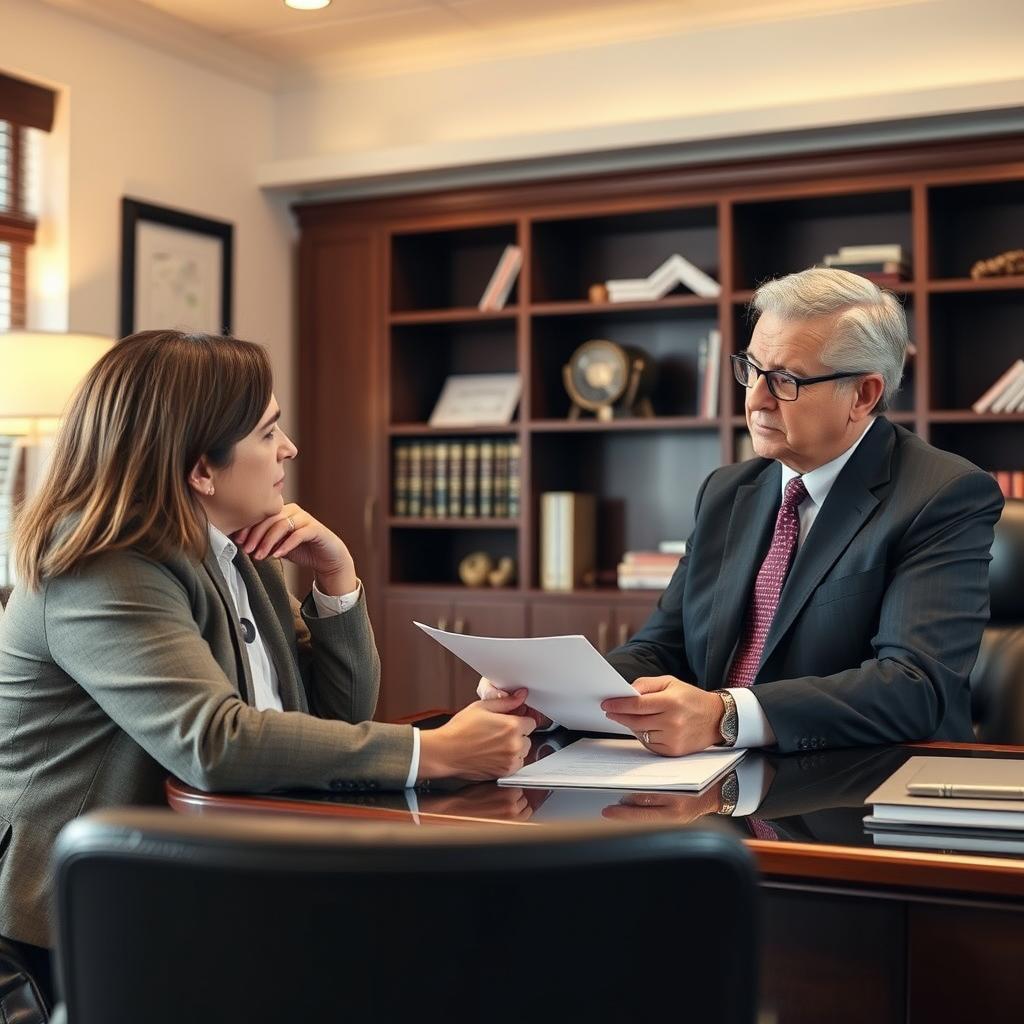
US Divorce Indian National Key Questions: What You Must Know
For Indian nationals in the US, handling a divorce involves specific legal questions about jurisdiction, asset division, and international recognition. The Law Offices Of SRIS, P.C. provides experienced divorce representation to address these US Divorce Indian National Key Questions. Our firm, founded in 1997, has over 120 years of combined attorney experience handling complex, cross-border family law matters.
Understanding Divorce Laws for Indian Nationals in the US
The legal framework for divorce in the United States is governed by state law, which can differ significantly from Indian personal law. For an Indian national, a primary concern is which country’s courts have proper jurisdiction to grant the divorce. Virginia, for example, is an “equitable distribution” state under Va. Code § 20-107.3, meaning marital property is divided fairly, but not necessarily equally, by a judge if the parties cannot agree. This contrasts with some interpretations of Indian law. Determining the correct venue is a critical first step that a knowledgeable divorce attorney can assess.
Last verified: April 2026 | Statewide — court varies by locality | Virginia General Assembly
Official Legal Resources
To understand the statutes that may govern your case, refer to the official Virginia law portal for the Virginia Code on Divorce and Annulment (Title 20, Chapter 6). For specific court procedures and forms, visit the Virginia Judicial System’s domestic relations forms page.
- Consult with a divorce filing lawyer to confirm US jurisdiction and Virginia residency requirements.
- Gather documentation for all marital assets, including those located in India and the US.
- File the Complaint for Divorce in the appropriate Virginia Circuit Court, serving your spouse properly.
- handle discovery and negotiation, addressing complex issues like international asset division.
- Proceed to a settlement conference or, if necessary, a final hearing before a judge.
- Obtain the Final Decree of Divorce, ensuring its potential recognition in India.
Potential Outcomes and Legal Standards
In Virginia, divorce for Indian nationals involves equitable distribution of assets, potential spousal support based on statutory factors, and child custody determined by the child’s best interests.
| Issue | Legal Standard | Potential Outcome |
|---|---|---|
| Grounds for Divorce | No-fault (separation) or Fault-based | Divorce granted after 6-month (no children) or 1-year separation; fault may affect support. |
| Asset Division | Equitable Distribution (Va. Code § 20-107.3) | Marital property divided fairly; separate property retained. |
| Spousal Support | 13 statutory factors (Va. Code § 20-107.1) | Award based on need, ability to pay, length of marriage, and standard of living. |
| Child Custody | Best Interests of the Child (Va. Code § 20-124.2) | Parenting plan ordered based on child’s health, safety, and developmental needs. |
| International Recognition | Comity & Specific Indian Law | US decree may be recognized in India, but specific steps might be required. |
Results may vary. Prior results do not aim for a similar outcome.
Why Choose SRIS, P.C. for Your Cross-Border Divorce
Founded in 1997 by former prosecutor Mr. Sris, the Law Offices Of SRIS, P.C. brings a unique perspective to family law. Mr. Sris personally played a role in amending Virginia’s equitable distribution statute, Va. Code § 20-107.3, demonstrating deep involvement in the law itself. With over 4,739 documented case results firm-wide and a 93%+ favorable outcome rate, our team understands the intricacies of high-conflict and international divorce. We are familiar with the specific US Divorce Indian National Key Questions that arise, from dealing with non-resident spouses to valuing overseas businesses and property.
Documented Case Experience
Our firm has a documented record of handling complex family law cases. While every case is unique, our attorneys draw from a firm-wide history of over 4,739 case results with a 93%+ favorable outcome rate across Virginia, Maryland, New Jersey, New York, and Washington D.C. For Indian nationals, having a divorce attorney like Mr. Sris, who is frequently consulted by Indian Consulate officials in Washington, D.C. on U.S. legal matters, provides an invaluable resource. Of Counsel attorney Bryan Block also brings extensive litigation experience to support complex case strategy.
Results may vary. Prior results do not aim for a similar outcome.
Law Offices Of SRIS, P.C.
4008 Williamsburg Court, Fairfax, VA 22032
Toll-Free: (888) 437-7747 | Local: (703) 636-5417
By appointment only.
Our Fairfax location serves clients across Virginia. We offer 24/7 phone consultations — (888) 437-7747 — with meetings scheduled by appointment only. For Indian nationals seeking a divorce attorney near Virginia’s major legal hubs, our firm provides accessible counsel.
Frequently Asked Questions: US Divorce for Indian Nationals
Can I get divorced in the US if I was married in India?
Yes. US courts can grant a divorce for a marriage solemnized in India, provided you meet the state’s residency requirements. The key US Divorce Indian National Key Questions involve jurisdiction, not the marriage’s location.
Will my divorce in the US be recognized in India?
It depends. Indian courts generally recognize foreign divorces under principles of comity, especially if both parties participated. However, for it to be conclusive, you may need to take specific steps for its recognition under Indian law, which a divorce filing lawyer can explain.
How are assets in India divided in a US divorce?
US courts exercising jurisdiction can include foreign assets in the marital estate for equitable distribution. Valuation and enforcement can be complex, requiring careful documentation and often, experienced appraisal. Full divorce representation includes addressing these international assets.
What if my spouse is in India and won’t respond to the divorce?
You can still proceed. Virginia law allows for divorce by publication or other alternative service methods if a spouse cannot be located or refuses to accept service. The process is more involved and a divorce attorney is crucial to ensure it’s done correctly to obtain a valid decree.
Do I need a separate lawyer in India?
It depends on your goals. For the US marriage dissolution proceeding, a US-licensed attorney is required. If you need to enforce the US order in India or handle related matters there, consulting an Indian advocate may be necessary. We can help coordinate this aspect.
Last verified: April 2026. Laws change — contact Law Offices Of SRIS, P.C. at (888) 437-7747 for current guidance.