

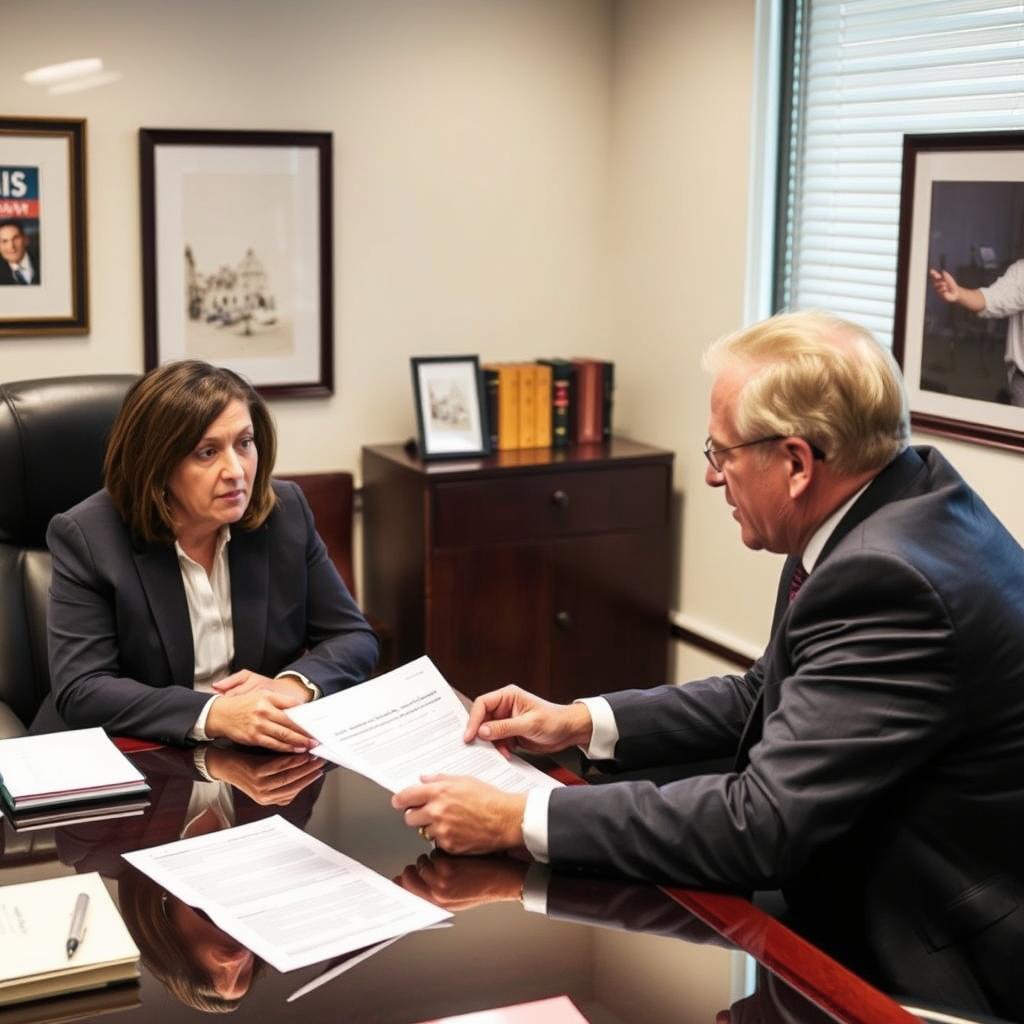
USCIS Revocations: How Not To Fall Victim to Visa or Green Card Denial
A USCIS revocation is a formal withdrawal of a previously approved immigration benefit, such as a visa petition or green card. This action can be triggered by new evidence of fraud, a material error, or a change in circumstances. Understanding USCIS revocations and how not to fall victim is critical to protecting your status. The Law Offices Of SRIS, P.C.
Last verified: April 2026 | Statewide — court varies by locality | U.S. Citizenship and Immigration Services
What Is a USCIS Revocation?
The U.S. Citizenship and Immigration Services (USCIS) has the authority to revoke a previously approved petition or application under the Immigration and Nationality Act (8 U.S.C. § 1155). Common reasons include discovering that the approval was based on error, new facts come to light suggesting the beneficiary was ineligible, or evidence of fraud or misrepresentation is found. A Notice of Intent to Revoke (NOIR) is typically issued first, giving the petitioner a chance to respond. A formal revocation can have severe consequences, including the initiation of removal proceedings against the beneficiary.
Official Government Resources
For the official statute governing revocations, see 8 U.S.C. § 1155 on the USCIS website. For information on proceedings that may follow a revocation, refer to the Executive Office for Immigration Review (EOIR).
- Receive and Review the NOIR: Carefully read the Notice of Intent to Revoke. It will state the specific grounds USCIS is considering for revocation.
- Consult an Immigration Attorney Immediately: Engage legal counsel to analyze the allegations and develop a defense strategy. The response deadline is strict.
- Gather Countervailing Evidence: Work with your lawyer to collect all documents, affidavits, and records that directly address and refute USCIS’s concerns.
- Prepare and File a Legal Response: Your attorney will draft a full legal brief and evidence package to submit before the deadline.
- Prepare for Possible Appeals: If the revocation is finalized, discuss appellate options with your counsel, which may include a motion to reopen or reconsider, or an appeal to the Administrative Appeals Office (AAO).
Potential Consequences of a Revocation
A finalized USCIS revocation can lead to the denial of a pending application, the loss of lawful status, and potentially, placement into removal proceedings.
Firm Experience in Immigration Defense
Founded in 1997, the Law Offices Of SRIS, P.C. operates with the principle of “Advocacy Without Borders.” Our team has over 120 years of combined legal experience. We have a documented record of handling complex immigration cases, including responses to Notices of Intent to Revoke and appeals before the AAO. Bryan Block, Of Counsel and a former Virginia State Trooper with deep investigative experience, also assists in analyzing evidence for complex family petition responses, including I-130 cases facing a Notice of Intent to Deny (NOID), which shares procedural similarities with a NOIR.
Results may vary. Prior results do not aim for a similar outcome.
Law Offices Of SRIS, P.C.
4008 Williamsburg Court, Fairfax, VA 22032
Toll-Free: (888) 437-7747 | Local: (703) 636-5417
By appointment only.
24/7 phone consultations — (888) 437-7747 — meetings by appointment only. Serving all Virginia communities.
Frequently Asked Questions: USCIS Revocations
What is the difference between a NOID and a NOIR?
A Notice of Intent to Deny (NOID) is issued before an initial decision, while a Notice of Intent to Revoke (NOIR) is issued after an approval. Both require a timely, evidence-based response, but a NOIR concerns taking away an existing benefit.
Can I appeal a final revocation decision?
Yes, in many cases. Depending on the petition type, you may file an appeal with the Administrative Appeals Office (AAO) or a motion to reopen/reconsider with USCIS. Strict deadlines apply, typically 30 days. An immigration attorney can advise on the best procedural path.
How long do I have to respond to a NOIR?
USCIS generally allows 30 days from the date of the notice to submit a response and evidence. In some cases, you can request a one-time extension for good cause. It is crucial to begin preparing your response immediately with legal immigration help.
Does a revocation always lead to deportation?
Not automatically, but it is a significant risk. The revocation may cause the beneficiary to fall out of status. USCIS may then refer the case to ICE, which could initiate removal proceedings. A strong defense against the revocation is the first line of protection.
Should I get a lawyer for a NOIR?
Yes. The legal stakes are high, and the response requires precise legal argumentation and evidence presentation. A visa lawyer with experience in revocation defense can significantly improve your chances of a favorable outcome.
Can I reapply after a revocation?
It depends on the grounds for revocation. If it was due to a correctable error or new evidence, a new petition may be possible. If it was for fraud, you may face permanent bars. An immigration consultation is essential to assess your options.
Last verified: April 2026. Information is current as of this date. Laws and procedures change — contact Law Offices Of SRIS, P.C. at (888) 437-7747 for up-to-date guidance.