
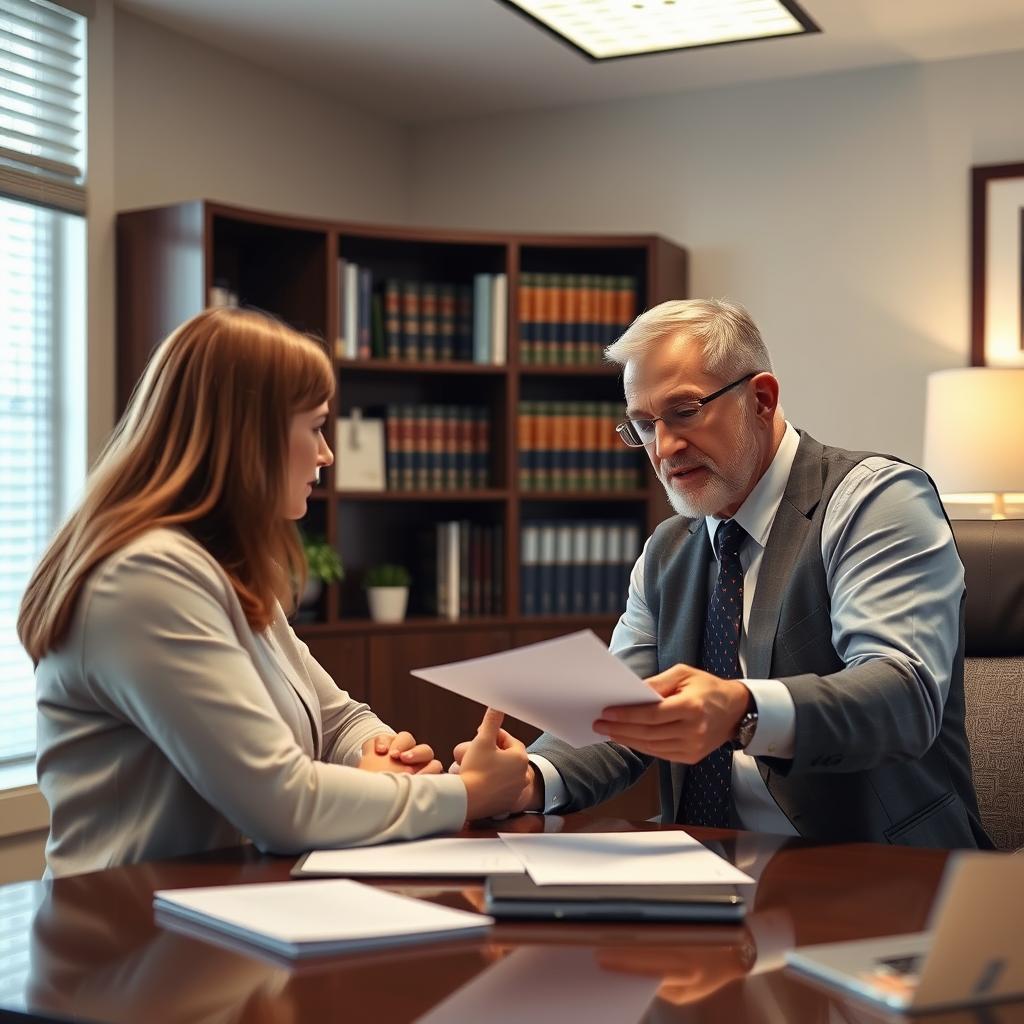
VAWA Lawyer Hunterdon County — Immigration Relief for Abused Spouses
If you are an abused spouse in Hunterdon County, the Violence Against Women Act (VAWA) provides a path to lawful status without relying on your abuser. A VAWA lawyer Hunterdon County from Law Offices Of SRIS, P.C. can guide you through the confidential self-petition process.
Understanding VAWA Self-Petition Relief
The Violence Against Women Act (VAWA) allows certain abused spouses, children, and parents of U.S. citizens or lawful permanent residents to file an immigration petition on their own behalf. This is known as a VAWA self-petition. It is a critical protection that removes the abuser’s control over the immigration process. Eligibility requires proving you are a person of good moral character, that you resided with the abuser, and that you were subjected to battery or extreme cruelty during the marriage.
Last verified: April 2026 | U.S. Citizenship and Immigration Services (USCIS) | USCIS.gov
Official Resources and Legal Process
handling VAWA requires understanding both federal law and USCIS procedures. The process is designed to be confidential; USCIS is prohibited from contacting your abuser. Key steps include preparing Form I-360, Petition for Amerasian, Widow(er), or Special Immigrant, along with a detailed personal declaration and supporting evidence like police reports, medical records, or affidavits from witnesses.
For the official statute, review the USCIS VAWA page. For forms and filing instructions, visit the official Form I-360 page.
The VAWA Self-Petition Process in Hunterdon County
Filing a VAWA self-petition is a detailed legal process that demands careful evidence collection and precise legal argument. An experienced abused spouse immigration relief lawyer Hunterdon County can manage the details while protecting your confidentiality. In our experience, a strong petition connects the evidence directly to the legal requirements, telling a clear and compelling story to the adjudicating officer.
- Initial Confidential Consultation: Discuss your situation with a VAWA lawyer Hunterdon County to assess eligibility and plan the petition strategy.
- Evidence Gathering: Collect documents such as marriage certificates, proof of abuser’s status, police reports, restraining orders, medical records, photographs, and personal affidavits.
- Petition Preparation: Draft a detailed personal declaration and complete Form I-360 with all supporting documentation, ensuring it meets USCIS requirements.
- Filing and Follow-up: File the petition with the correct USCIS lockbox and monitor its progress, responding promptly to any Requests for Evidence (RFEs).
- Post-Approval Steps: If approved, explore options for adjusting status to lawful permanent resident (green card holder) and eventually applying for citizenship.
Why Choose Our Firm for Your VAWA Case
Law Offices Of SRIS, P.C. was founded in 1997. Our attorneys bring a combined 120+ years of legal experience to complex immigration matters like VAWA. We understand the significant sensitivity of these cases and provide a secure, confidential environment for you to seek help. Our approach is thorough and client-centered, focusing on building the strongest possible petition from the start.
Seeking a VAWA Lawyer Hunterdon County
If you are seeking safety and stability through immigration relief, you need an advocate who understands both the law and the human element of your case. Our firm is committed to providing that representation. We offer 24/7 phone consultations to discuss your situation confidentially.
Results may vary. Prior results do not aim for a similar outcome.
Law Offices Of SRIS, P.C.
Serving Hunterdon County and surrounding areas.
Toll-Free: (888) 437-7747 | Local: (609)-983-0003
Consultations available by appointment only.
FAQs: VAWA and Immigration Relief
Can I file a VAWA petition if I am divorced from my abuser?
Yes. You can file a VAWA self-petition if you file within two years of the divorce, and you can prove the abuse occurred during the marriage. The divorce itself does not automatically disqualify you from seeking relief under VAWA.
Is the VAWA process confidential?
Yes. USCIS has strict confidentiality policies for VAWA petitions. The agency is prohibited from disclosing any information about you or your petition to your abuser or anyone else without your consent, except in very limited, defined circumstances.
What evidence do I need for a VAWA self-petition?
It depends on your specific situation. Evidence generally includes proof of the abuser’s immigration status, proof of the relationship (marriage certificate, shared bills), proof of good moral character, and proof of battery or extreme cruelty (police reports, medical records, restraining orders, psychological evaluations, affidavits).
Can a VAWA lawyer Hunterdon County help if I am in removal proceedings?
Yes. If you are in removal (deportation) proceedings, an approved VAWA self-petition can provide a defense against removal and a basis to apply for lawful permanent residency. It is critical to inform your attorney about any pending immigration court dates immediately.
How long does the VAWA process take?
Processing times vary significantly by USCIS service center and case complexity. Currently, it can take 18 to 24 months or more to receive a decision on a Form I-360. An attorney can help monitor your case and respond to any delays or requests for evidence.
Related Information: If you are exploring other family-based immigration options, you may want to learn about family-based immigration in New Jersey. For support with other sensitive legal family matters, consider our New Jersey domestic violence lawyers.
Last verified: April 2026. Laws and procedures change. Contact Law Offices Of SRIS, P.C. at (888) 437-7747 for the most current guidance regarding your VAWA self-petition.
Under Va. Code § 13.1-1000 et seq., state law governs this practice area.