
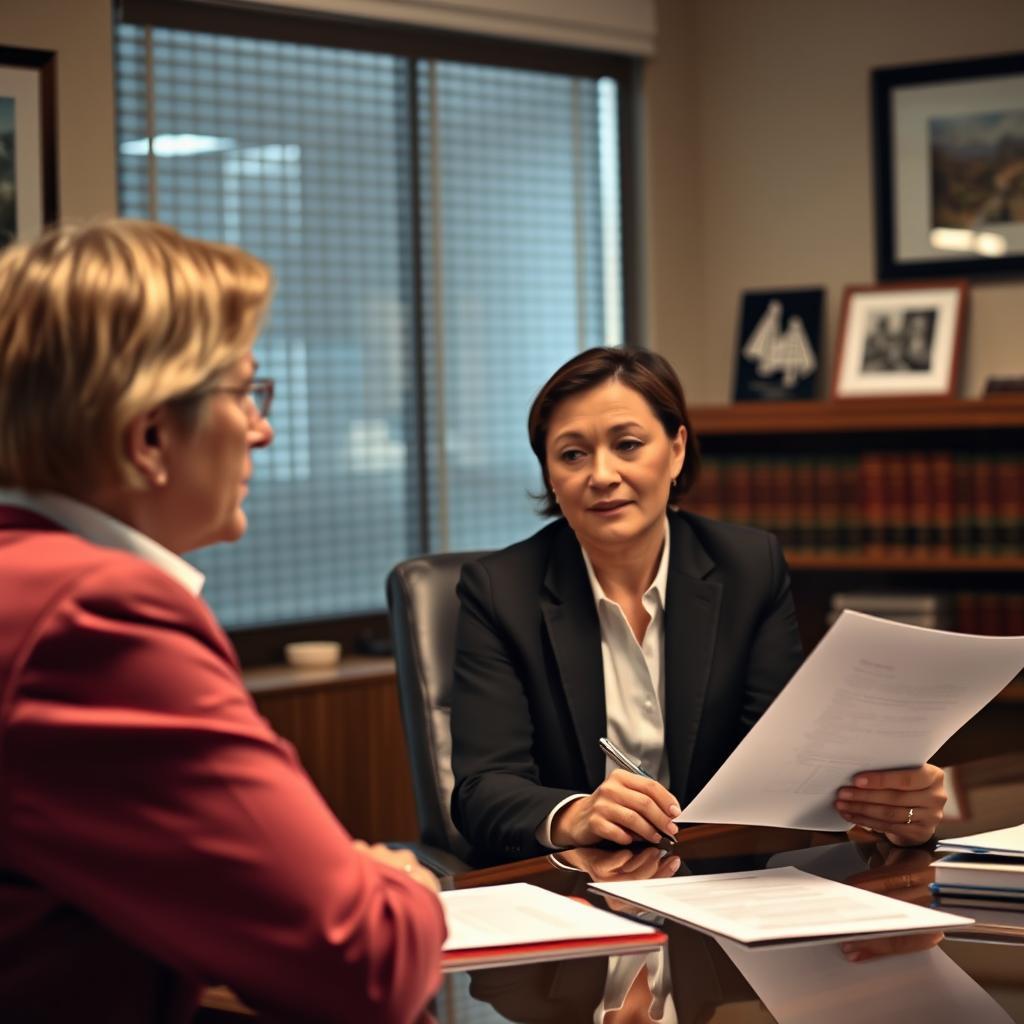
VAWA Self Petition Lawyer Maryland — How Can You Secure Your Status?
Filing a VAWA self-petition in Maryland is a confidential path to lawful status for survivors of abuse by a U.S. citizen or lawful permanent resident spouse or parent. The Law Offices Of SRIS, P.C. provides dedicated immigration help for this sensitive process.
Understanding the VAWA Self-Petition in Maryland
The Violence Against Women Act (VAWA) allows certain abused spouses, children, and parents of U.S. citizens or lawful permanent residents to self-petition for immigration status without the abuser’s knowledge or involvement. In Maryland, this process is governed by federal immigration law under 8 U.S.C. § 1154(a)(1)(A)(iii) and related regulations. It is a critical protection designed to remove the abuser’s control over the survivor’s immigration process. Success requires demonstrating a qualifying relationship, the abuser’s status, that you resided with the abuser, that you are a person of good moral character, and that you were subjected to battery or extreme cruelty.
Last verified: April 2026 | U.S. Citizenship and Immigration Services (USCIS) | U.S. Code.
Official Resources and Legal Citations
handling a VAWA case requires understanding the official legal framework. The primary statute is found in the U.S. Code, Title 8, Section 1154 (official U.S. Government Publishing Office). For procedural rules and form instructions, you should refer directly to the U.S. Citizenship and Immigration Services (USCIS) website. These .gov resources provide the definitive text of the law and the latest filing guidelines.
The Insider’s View on the VAWA Process in Maryland
The success of a VAWA self-petition hinges on the quality and comprehensiveness of the evidence submitted. USCIS officers adjudicating these cases look for a coherent narrative supported by documentation. In our experience, petitions that strategically combine different types of evidence—personal affidavits, police reports, psychological evaluations, and corroborating letters—tend to present the strongest case. It’s not just about proving abuse occurred, but also demonstrating how it meets the legal standard of battery or extreme cruelty and how it impacted you.
- Consult with an immigration attorney confidentially to evaluate your eligibility and discuss the evidence-gathering process.
- Collect and organize evidence of the abuse (reports, medical records, photos), the relationship (marriage certificate, birth certificates, shared bills), the abuser’s status, and your good moral character.
- Draft a detailed personal affidavit that chronologically describes the relationship, the abuse, and its effects on you.
- Complete and file Form I-360, Petition for Amerasian, Widow(er), or Special Immigrant, with the correct USCIS lockbox, along with all supporting evidence and fees or a fee waiver request.
- Respond promptly to any Requests for Evidence (RFE) from USCIS and prepare for a potential interview if one is scheduled.
Potential Benefits and Next Steps After Approval
An approved VAWA self-petition can provide work authorization, protection from deportation, and a path to a Green Card, offering survivors critical stability and independence.
Upon approval of your I-360 petition, you may be eligible to apply for work authorization (Form I-765) and, if you are in the United States and meet certain requirements, you may apply to adjust status to become a lawful permanent resident (Form I-485). If you are outside the U.S., you would process through consular processing. It’s important to understand the specific steps that follow approval, as they depend on your individual circumstances.
Why Our Firm Handles VAWA Cases
Founded in 1997, the Law Offices Of SRIS, P.C. is built on a foundation of advocacy without borders. Our immigration team, led by Mr. Sris, approaches every VAWA case with the sensitivity and discretion it demands. We understand the significant courage it takes to come forward, and our process is designed to help you while building the strongest legal case possible. We focus on clear communication, meticulous evidence preparation, and strategic presentation to USCIS.
Seeking Immigration Help for Your Case
Our firm has handled numerous sensitive immigration cases, including VAWA self-petitions. We focus on building a complete and persuasive petition from the start.
Results may vary. Prior results do not aim for a similar outcome.
VAWA Self Petition Lawyer Serving Maryland
Our team is available to provide the immigration help you need. We offer 24/7 phone consultations for your convenience.
Law Offices Of SRIS, P.C.
By appointment only.
Toll-Free: (888) 437-7747 | Local: (301) 637-5392
24/7 phone consultations — meetings by appointment only.
Frequently Asked Questions: VAWA Self-Petitions
Can I file a VAWA petition if I am divorced from my abuser?
Yes. You can file a VAWA self-petition if you were divorced from your abusive spouse within the past two years, and the divorce was connected to the abuse. The petition must generally be filed within two years of the final divorce decree.
Will my abuser be notified that I filed a VAWA petition?
No. A core protection of VAWA is confidentiality. U.S. Citizenship and Immigration Services (USCIS) is prohibited by law from contacting your abuser or revealing any information about your self-petition to them.
What evidence do I need to prove “extreme cruelty” for VAWA?
It depends. Evidence can include psychological evaluations, reports from counselors or social workers, affidavits from witnesses, photographs of injuries, and your own detailed statement. The key is to show a pattern of abusive behavior that caused you significant psychological or emotional trauma, even without physical violence.
How long does it take to get a work permit after filing a VAWA petition?
Typically, you can apply for a work permit (Employment Authorization Document) once your VAWA petition is pending. Processing times for the EAD vary but often take several months. An immigration attorney can help you track timelines and file the necessary forms correctly.
Do I need an immigration consultation before filing?
It is highly advisable. A confidential consultation with a visa lawyer experienced in VAWA can help you understand the specific evidence required for your case, assess your eligibility, and avoid common pitfalls that could lead to a denial or requests for evidence.
Last verified: April 2026. Laws and procedures change. Contact the Law Offices Of SRIS, P.C. at (888) 437-7747 for current guidance regarding your VAWA self-petition in Maryland.