
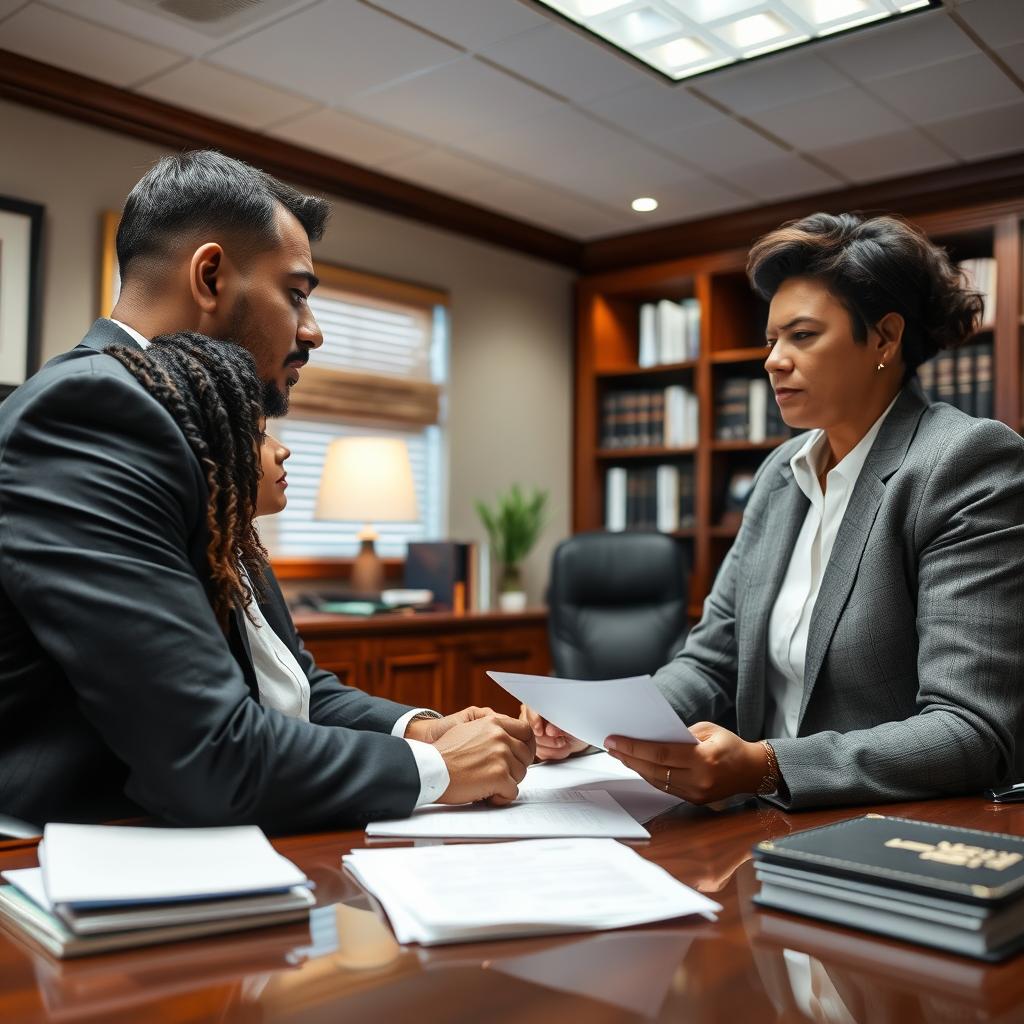
VAWA Self Petitions Lawyer New Jersey — Can You Get a Green Card Without Your Abuser?
If you are an immigrant in New Jersey who has suffered abuse from a U.S. citizen or lawful permanent resident spouse or parent, you may be eligible for a green card through a VAWA self-petition without your abuser’s knowledge or help. The Violence Against Women Act (VAWA) provides a critical path to safety and lawful status.
Last verified: March 2026 | U.S. Citizenship and Immigration Services (USCIS) | USCIS.gov
Understanding VAWA Self-Petition Immigration Relief in New Jersey
The Violence Against Women Act (VAWA) allows certain abused spouses, children, and parents of U.S. citizens or lawful permanent residents (LPRs) to file an immigration petition on their own behalf. This is known as a VAWA self-petition (Form I-360). It is a unique provision that recognizes the power dynamics in abusive relationships and provides a way for victims to seek lawful status independently of their abuser. Successfully filing requires proving your relationship to the abuser, the abuser’s immigration status, that you lived with the abuser, that you are a person of good moral character, and that you were subjected to battery or extreme cruelty. An experienced VAWA self-petition lawyer New Jersey is essential to handle these complex requirements and present a compelling case to U.S. Citizenship and Immigration Services (USCIS).
- Consult confidentially with a VAWA self petitions lawyer New Jersey to assess your eligibility.
- Gather extensive evidence, including personal affidavits, police reports, medical records, and proof of the abuser’s status and your relationship.
- Your attorney will prepare and file Form I-360, the VAWA self-petition, with a detailed personal declaration and supporting documents.
- Respond to any Requests for Evidence (RFE) from USCIS promptly and thoroughly.
- If the I-360 is approved, you can then apply for adjustment of status to become a lawful permanent resident.
Official Immigration Resources
- USCIS VAWA Self-Petition Information (official U.S. government resource)
- U.S. Department of Justice Office on Violence Against Women (official .gov site)
Potential Benefits and Relief Through VAWA
An approved VAWA self-petition can provide significant immigration benefits and a path to safety. It’s important to understand the potential outcomes, though each case is unique.
In New Jersey, a successful VAWA self-petition can lead to a grant of deferred action, work authorization, and ultimately, lawful permanent residency (a green card), allowing you to live and work in the U.S. independently.
| Primary Benefit | Immediate Effect | Long-Term Path |
|---|---|---|
| Deferred Action | Protection from deportation while petition is pending. | Provides stability to pursue your case. |
| Employment Authorization | Eligibility to apply for a work permit (EAD). | Financial independence from the abuser. |
| Lawful Permanent Residency | After I-360 approval, you may apply to adjust status. | Leads to a green card without the abuser’s sponsorship. |
Results may vary. Prior results do not aim for a similar outcome.
Why Choose Our Firm for Your New Jersey VAWA Case
Law Offices Of SRIS, P.C. was founded in 1997. Our team approaches sensitive VAWA cases with the discretion and diligence they require. We understand the fear and complexity involved in seeking abused spouse immigration relief lawyer New Jersey clients need. We focus on building a complete, evidence-based petition to give your case the strongest possible chance for approval, aiming to secure your safety and future in the United States.
Seeking Safety and Status in New Jersey
Our firm is committed to helping immigrants in New Jersey find a path out of abusive situations. The VAWA process is confidential, and we handle every case with the utmost sensitivity and strategic focus on the detailed evidence requirements of USCIS.
Law Offices Of SRIS, P.C.
By appointment only.
Toll-Free: (888) 437-7747
24/7 phone consultations — meetings by appointment only.
FAQs: VAWA Self-Petitions in New Jersey
Can I file a VAWA petition if I am divorced from my abuser?
Yes. You can file a VAWA self-petition if you were abused during the marriage and you file within two years of the divorce becoming final. The key is proving the abuse occurred during the marital relationship.
Does VAWA only apply to women?
No. Despite its name, the Violence Against Women Act protections are available to eligible spouses and children of either gender, as well as parents. Men who are victims of abuse by a U.S. citizen or LPR spouse or parent may also qualify.
Will my abuser be notified if I file a VAWA self-petition?
No. The VAWA process is strictly confidential by law. USCIS is prohibited from contacting your abuser or revealing any information about your petition to them. This is a core safety feature of the law.
What evidence do I need for a VAWA case?
It depends, but evidence typically includes proof of the abuser’s status, proof of the relationship (marriage certificate, birth certificate), proof you lived together, evidence of good moral character, and most critically, evidence of the battery or extreme cruelty (police reports, medical records, psychological evaluations, affidavits from witnesses).
How long does the VAWA process take?
Processing times vary significantly by USCIS service center and case complexity. Currently, it can take several months to over a year to receive a decision on Form I-360. An experienced VAWA self-petition lawyer New Jersey can help ensure your petition is complete to avoid delays.
Last verified: March 2026. Laws and procedures change. Contact Law Offices Of SRIS, P.C. at (888) 437-7747 for current guidance regarding your specific situation.