
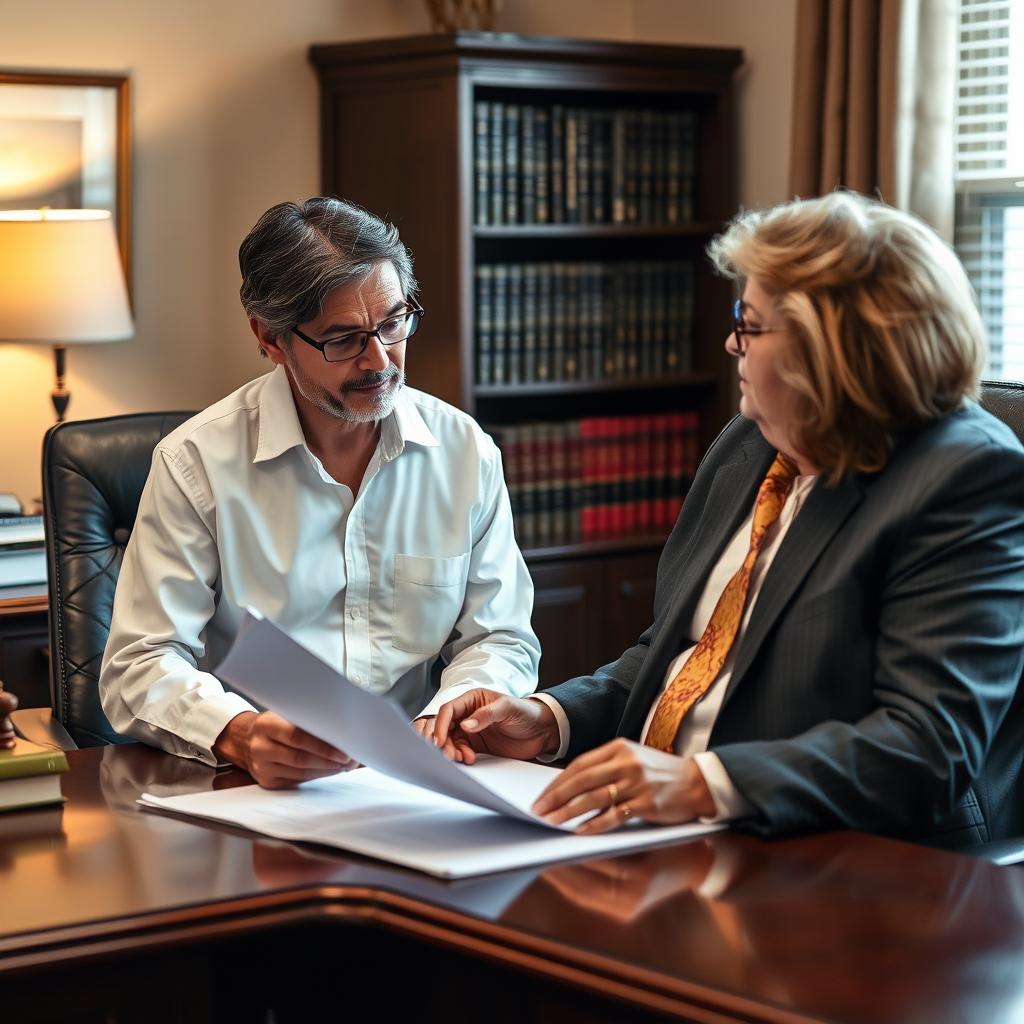
Visitation Lawyer Prince George County, VA
Visitation matters — whether you are a parent seeking to establish a schedule, a grandparent requesting access to a grandchild, or a parent facing restrictions on your time with a child — are decided under Virginia law with the child’s best interests at the center. In Prince George County, visitation petitions and enforcement motions are heard in the Prince George County Juvenile and Domestic Relations District Court for standalone matters, and in the Prince George County Circuit Court when tied to a divorce or equitable distribution case. The Eleventh Judicial District, which includes Prince George County, applies the same Virginia Code provisions as every circuit in the Commonwealth, but each court develops its own scheduling rhythms and procedural expectations. Mr. Sris and his Of Counsel team appear in these courts for clients who need to establish, modify, or enforce visitation. No matter the posture of your case, a clear understanding of what the court will consider — and what it will not — can shape how you present your position. Reach Law Offices Of SRIS, P.C. at (888) 437-7747 to schedule a consultation about your visitation matter. Law Offices Of SRIS, P.C. — Advocacy Without Borders.
What Visitation Means in Prince George County
Virginia visitation law is codified in Title 20 of the Virginia Code, with the trusted-interests-of-the-child standard set out in sections 20‑124.2 and 20‑124.3. When a parent does not hold primary physical custody, the court typically orders a parenting time schedule that provides meaningful and continuing contact with the child. In Prince George County, the Juvenile and Domestic Relations District Court at 6601 Courts Drive, Prince George, VA 23875, handles standalone visitation petitions. If visitation is part of a divorce action, the Circuit Court takes jurisdiction. The distinction matters because the procedural path — and the evidence you need to present — differs between the two dockets.
Contrary to a common misconception, visitation is not automatically lost because one parent has been the primary caregiver or because the parents do not get along. The court may impose restrictions only where it finds a risk to the child’s health, safety, or emotional well‑being. Supervised visitation, therapeutic visitation, or phased reintroduction plans are all tools the court may consider. Mr. Sris and his Of Counsel counsel clients on what to expect from a Prince George County judge, taking into account the local practice norms of the Eleventh Judicial District while still building a position grounded in the statutory factors.
How Mr. Sris and His Of Counsel Handle Visitation Cases
Every visitation engagement begins with a detailed intake that covers the current court order (if any), the child’s age and needs, the nature of the parent‑child relationship, and any history that might influence the court’s evaluation. Because Virginia’s best‑interests statute lists ten factors, the attorney will map out how each one applies to the family’s circumstances. The goal is to present the court with a coherent picture of why a particular schedule — or a particular modification — serves the child’s well‑being.
When disagreements exist, Mr. Sris and his Of Counsel first explore whether a resolution can be reached through negotiation or mediation, which is available but not mandatory in Virginia. If the matter requires a hearing, they prepare the client for testimony, organize documentary evidence, and, where appropriate, engage a Guardian ad Litem whose report can carry significant weight in Prince George County courts. Enforcement of an existing visitation order may involve a show‑cause motion, and the firm counsels clients on how to document denials of visitation in a way that stands up in court. Throughout, the focus remains on protecting the parent‑child relationship while navigating the procedural requirements of the specific Prince George County court where the matter is filed.
About Mr. Sris and His Of Counsel Team
Mr. Sris, Owner and Founder of Law Offices Of SRIS, P.C., established the firm in 1997. A former prosecutor, he brings a thorough understanding of courtroom dynamics to family law matters and is admitted to practice in Virginia, Maryland, the District of Columbia, New Jersey, and New York. Mr. Sris testified before the Virginia House Courts of Justice Committee in support of 2019 HB 635 (chief patron Del. David Bulova). Alongside his Of Counsel team — attorneys with backgrounds that include former prosecution, law enforcement, and child‑welfare experience — Mr. Sris represents clients across the full spectrum of family law. The collective insight of the team helps identify the legal and factual issues that can tip a visitation decision.
Frequently Asked Questions
What factors does a Prince George County court consider when deciding visitation?
The court evaluates the best interests of the child using the ten factors listed in Virginia Code § 20‑124.3. These include each parent’s relationship with the child, the child’s age and needs, the role each parent has played in the child’s upbringing, and any history of family abuse. The judge will also consider the willingness of each parent to support the child’s relationship with the other parent. In Prince George County, evidence is presented to the Juvenile and Domestic Relations District Court for standalone visitation cases or to the Circuit Court if the matter is part of a divorce. For a focused discussion of how these factors apply to your situation, reach Law Offices Of SRIS, P.C. at (888) 437‑7747.
Can a grandparent seek visitation in Prince George County?
Yes, under specific circumstances. Virginia law allows a grandparent to petition for visitation, but the legal hurdle is higher than for a parent. The grandparent must show that an ongoing relationship with the child is in the child’s best interest and that denying visitation would be detrimental. Courts are cautious about interfering with parental decisions. If you are a grandparent considering a visitation petition, consult an experienced family law attorney who can evaluate whether your situation meets the statutory criteria.
How is supervised visitation handled in Prince George County?
Supervised visitation may be ordered when the court finds that unsupervised contact would pose a risk to the child’s welfare. The supervision may occur at a designated facility, through a professional supervisor, or with a trusted family member. The order typically includes the location, duration, and frequency of visits. Mr. Sris and his Of Counsel help parents understand why supervision might be proposed, present evidence to oppose unnecessary restrictions, or craft a workable supervised arrangement when it is appropriate.
How do I modify an existing visitation order in Prince George County?
To modify visitation, you must file a motion with the court that issued the original order and demonstrate a material change in circumstances since the last order. Examples include a parent’s relocation, a change in the child’s needs, or a consistent pattern of interference with visitation. The court will not alter a schedule simply because one parent dislikes it. Having an attorney prepare the motion and present the evidence can increase the likelihood that the court will view the change as justified. For a consultation, contact Law Offices Of SRIS, P.C. at (888) 437‑7747.
Do I need a lawyer for a visitation matter in Prince George County?
You are not required to have a lawyer, but visitation orders create legally enforceable rights, and an unrepresented litigant can easily overlook procedural requirements or fail to present key evidence. An attorney can help you frame your request in terms the court recognizes and can anticipate the other side’s arguments. In Prince George County courts, the presence of counsel often leads to a more structured presentation that saves time and reduces the stress of self‑representation.
For guidance on your specific situation, reach Law Offices Of SRIS, P.C. at (888) 437‑7747.
Fairfax County Family Law Lawyer · Prince William County Family Law Lawyer · Manassas Family Law Lawyer
Primary sources: Virginia Code Title 20 (Domestic Relations) · Virginia’s Judicial System
Attorney advertising. Prior results do not guarantee a similar outcome. Results may vary.
Case results depend on a variety of factors unique to each case.