
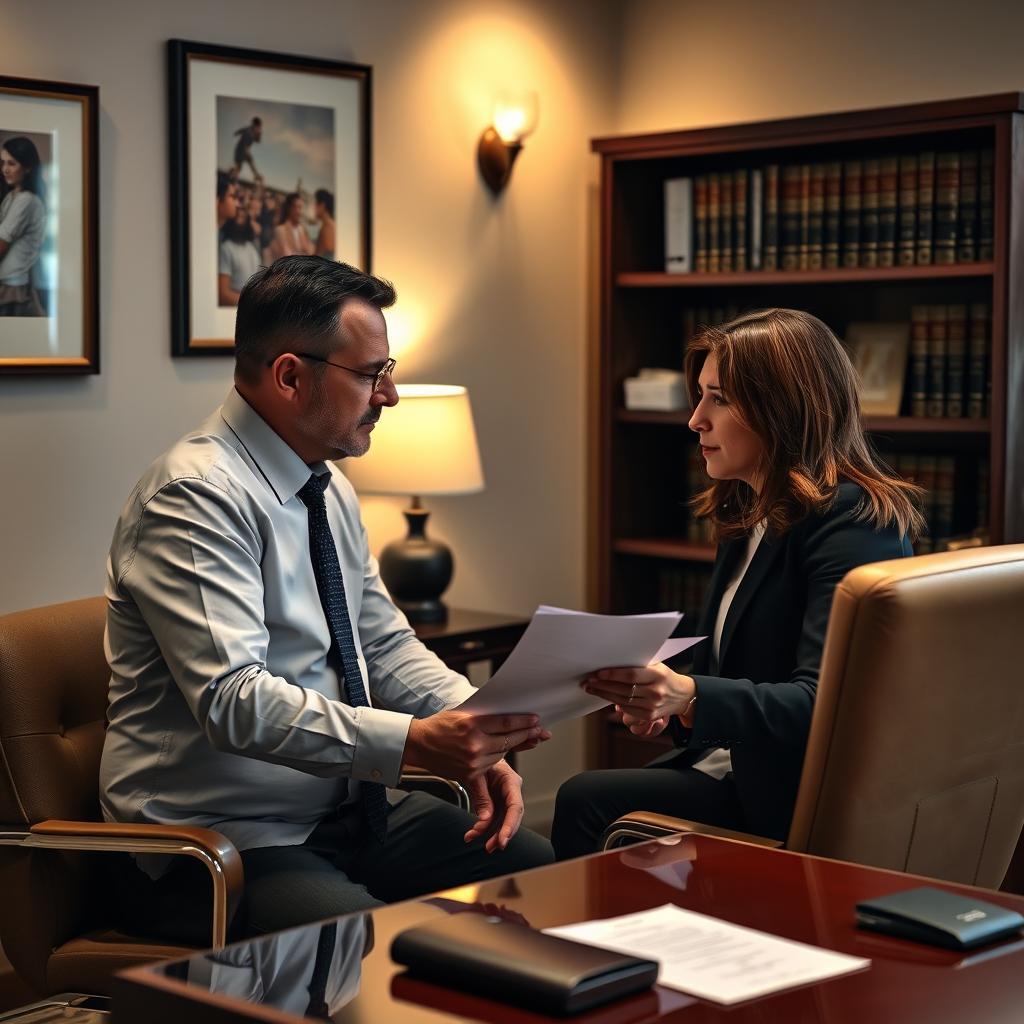
Virginia Child Custody Lawyer — How Are Custody Rights Determined?
Understanding Child Custody Laws In Virginia is critical when your family is involved in a separation or divorce. Virginia courts decide custody based on the child’s best interests, considering factors like each parent’s relationship with the child and ability to provide care. Law Offices Of SRIS, P.C.
Understanding Child Custody Laws In Virginia
Child Custody Laws In Virginia are primarily governed by the Virginia Code, which outlines how courts make decisions about the care and living arrangements of children when parents separate. The core legal standard is the “best interests of the child,” a principle that guides all custody and visitation determinations. Virginia recognizes two main types of custody: legal custody, which involves the right to make major decisions about the child’s upbringing (education, healthcare, religion), and physical custody, which determines where the child primarily lives.
Last verified: April 2026 | Statewide — court varies by locality | Virginia General Assembly
The statutory framework for custody is found in Va. Code § 20-124.2 and § 20-124.3. These statutes provide the specific factors judges must consider, such as the child’s age and needs, each parent’s ability to cooperate, and the child’s reasonable preference. For official court forms and procedures, you can visit the Virginia Judiciary website. The firm, founded in 1997 by former prosecutor Mr. Sris, brings deep familiarity with these statutes to every case.
Key Factors in a Virginia Custody Determination
When parents cannot agree on a custody arrangement, a Virginia judge will make the decision after evaluating evidence against the statutory “best interests of the child” factors. These factors are not weighted equally; the judge has discretion to decide which are most important in your specific case.
- File a Complaint: The custody process begins by filing a complaint or counter-complaint in the Juvenile and Domestic Relations District Court (J&DR) or Circuit Court, depending on whether a divorce is pending.
- Attend an Initial Hearing: The court will schedule an initial hearing. Parents are often ordered to attend mediation to try to reach an agreement before a trial.
- Participate in Discovery: Both sides exchange information through discovery, which may include interrogatories, requests for documents, and depositions.
- Prepare for Evaluation: In contested cases, the court may order a custody evaluation conducted by a mental health professional who will interview the parents, child, and other relevant parties.
- Present Your Case at Trial: If no agreement is reached, a trial is held where both parents present evidence, call witnesses, and argue why their proposed plan serves the child’s best interests.
- Receive the Court’s Order: The judge will issue a final custody and visitation order detailing legal custody, physical custody, and a specific visitation schedule.
Types of Custody and Visitation in Virginia
In Virginia, child custody arrangements are case-specific to the family’s circumstances, with courts favoring ongoing contact with both parents when it is safe and in the child’s best interests.
| Arrangement Type | Legal Definition | Typical Schedule | Decision-Making Authority |
|---|---|---|---|
| Sole Legal & Physical Custody | One parent has primary physical residence and exclusive right to make major life decisions. | Child lives primarily with one parent; other parent has visitation. | Resides solely with the custodial parent. |
| Joint Legal Custody / Sole Physical | Parents share major decision-making, but the child lives primarily with one parent. | Primary residence with one parent; detailed visitation schedule for the other. | Shared by both parents. |
| Shared Physical Custody | Child spends significant, roughly equal time with both parents. | Alternating weeks, 2-2-5-5 schedule, or other equitable split. | Usually shared (joint legal custody). |
| Supervised Visitation | Visits occur in the presence of a neutral third party or at a designated center. | Scheduled at a supervision facility or with an approved supervisor. | Varies; often limited for visiting parent. |
Results may vary. Prior results do not aim for a similar outcome.
Legal Guidance from an Experienced Virginia Family Law Firm
Law Offices Of SRIS, P.C. was founded in 1997 and brings a combined 120+ years of legal experience to family law matters. Our approach is grounded in a deep understanding of Virginia’s custody statutes and courtroom procedures. Mr. Sris, the firm’s founder and a former prosecutor, personally played a role in amending Va. Code § 20-107.3, Virginia’s equitable distribution statute, demonstrating a commitment to the practice area at the legislative level. This experience allows us to provide strategic, informed representation in custody disputes.
Case Results and Client Focus in Custody Matters
Our firm has a documented record of assisting clients with family law issues across Virginia, Maryland, New Jersey, New York, and DC. While every custody case is unique and outcomes depend on specific facts, our team works diligently to protect parental relationships and advocate for arrangements that support the child’s well-being. We understand that a custody dispute is one of the most stressful legal challenges a person can face, and we provide clear, steady guidance throughout the process. Firm founder Mr. Sris maintains a selective caseload to ensure deep personal involvement in complex family law matters.
Results may vary. Prior results do not aim for a similar outcome.
Law Offices Of SRIS, P.C.
4008 Williamsburg Court
Fairfax, VA 22032
Toll-Free: (888) 437-7747 | Local: (703) 636-5417
By appointment only.
Our Fairfax location serves clients across Virginia. We offer 24/7 phone consultations — meetings are by appointment only. Contact us for help with your custody case.
Frequently Asked Questions About Virginia Child Custody
What is the difference between legal and physical custody in Virginia?
Yes, there is a key difference. Legal custody refers to the right and responsibility to make major decisions about a child’s welfare, including education, healthcare, and religious upbringing. Physical custody determines where the child lives on a day-to-day basis. Parents can share joint legal custody while one has primary physical custody.
Can a child choose which parent to live with in Virginia?
It depends. The child’s reasonable preference is one factor a judge considers under Va. Code § 20-124.3. The weight given to the child’s wish depends heavily on the child’s age, maturity, and reasoning. A judge is not bound by the child’s preference and will always prioritize the child’s best interests overall.
How can I modify an existing custody order in Virginia?
You must file a petition with the court that issued the original order. To succeed, you generally must show a material change in circumstances affecting the child’s welfare since the last order, and that the modification you seek is in the child’s best interests. Examples include a parent’s relocation, a change in the child’s needs, or evidence of parental alienation.
Do I need a custody attorney for an uncontested agreement?
While not legally required, consulting a custody attorney is highly advisable. An attorney can ensure your agreement is full, legally sound, and addresses all necessary issues like decision-making, holidays, and future modifications. This can prevent costly disputes and returns to court later. A child custody lawyer can draft the agreement for court approval.
What should I do if the other parent violates our custody order?
You should document every violation in detail. Your primary recourse is to file a Motion for Rule to Show Cause (contempt) in the court that issued the order. The court can enforce the order and impose penalties on the violating parent. A custody dispute lawyer can guide you through this enforcement process.
For more information on related legal issues, see our pages on Virginia Divorce Lawyer and Virginia Child Support Lawyer. To explore how we serve other areas, visit Maryland Family Lawyer.
Page last verified and updated: April 2026. Laws and procedures change. For the most current advice regarding your situation, contact Law Offices Of SRIS, P.C. at (888) 437-7747.